Jarinko Chie (1981)
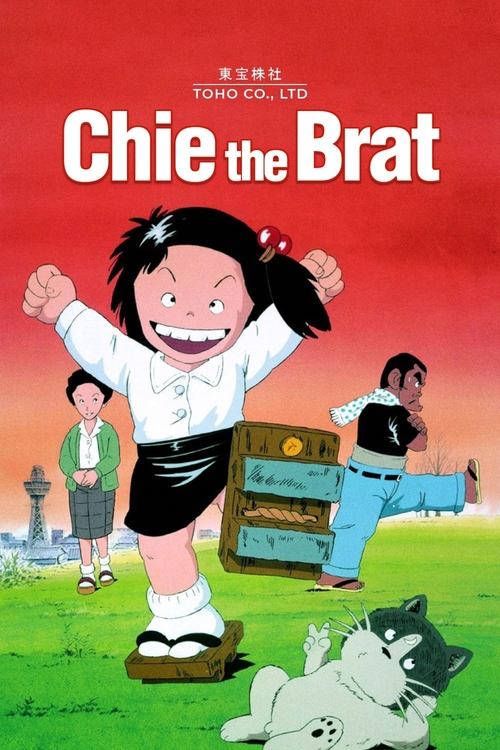
- Original title
- じゃりン子チエ 劇場版
- Directed by
- Isao Takahata
- Genre
- family film, gag anime
- Country
- Japan
- Runtime
- 1h 50m
- Rated
- G
- Rating
- 6.8 of 10 from 44 voters
- Elsewhere
- IMDb
The catalogue in 3D
The film shelves have a room of their own that you can walk around in. The cat behind the counter is the AI Catbot, and they pick real films from the same catalogue when you tell them what you feel like watching. Nothing is for sale, here or in there. Go in from here and this film is already out on the counter, with more like it waiting on the shelf next to it.
How it feels
A young girl in a working class neighborhood of Osaka tries to manage her deadbeat father and keep their small family together. She deals with yakuza, runs a restaurant, and uses her wit to survive the chaos around her.
lightheartedchaoticwarmslapstickearthyobservationalgroundedquirky
What happens
Jarinko Chie (Japanese: じゃりン子チエ; lit. 'Chie the Brat'), also known as Downtown Story, is a 1981 Japanese animated film directed by Isao Takahata. Based on the 1978 seinen manga by Etsumi Haruki, the film was co-written by Takahata and Noboru Shiroyama, it stars the voices of Chinatsu Nakayama, Norio Nishikawa, Kiyoshi Nishikawa, Kyoko Mitsubayashi, and Gannosuke Ashiya. Taking place in a working class town in Osaka, the young and independent Chie navigates the adult world around her, seeking to reform her father's behaviour and keep her family together. Produced and animated by Tokyo Movie Shinsha, Jarinko Chie was Takahata's reintroduction to feature-length animated films after working in television anime. Production began in December 1980, with the animation style taking strong cues from the source material. Particular notice was taken to accurately portray the film's setting of Osaka, including research trips, the use of Kansai dialect, and the hiring of Osakan cast members. The film was released in Japan by Toho on 11 April 1981. Jarinko Chie saw moderate box office success and has been praised, particularly for its social consciousness and comedy. Analyses of the film have looked at the story as a commentary on masculinity and the role of community. After its success, Takahata served as the chief director for a follow-up TV series. Chie herself has remained a popular character in Osaka. (from Wikipedia, CC BY-SA)
More like this
 Chie The Brat (1981)
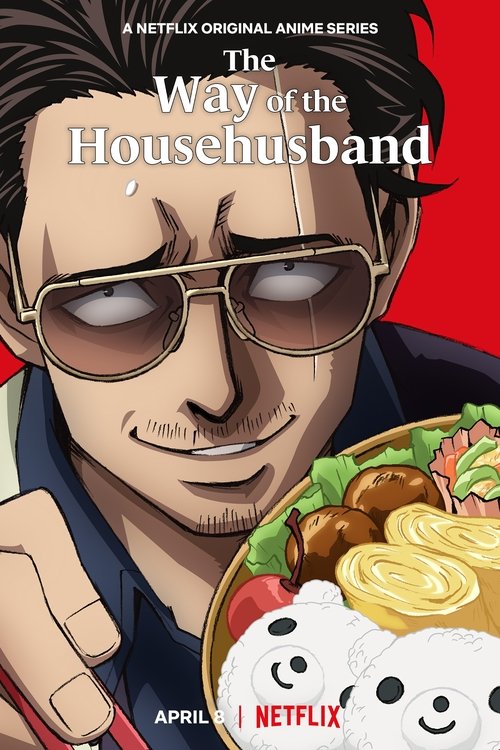 The Way of the Househusband (2021)
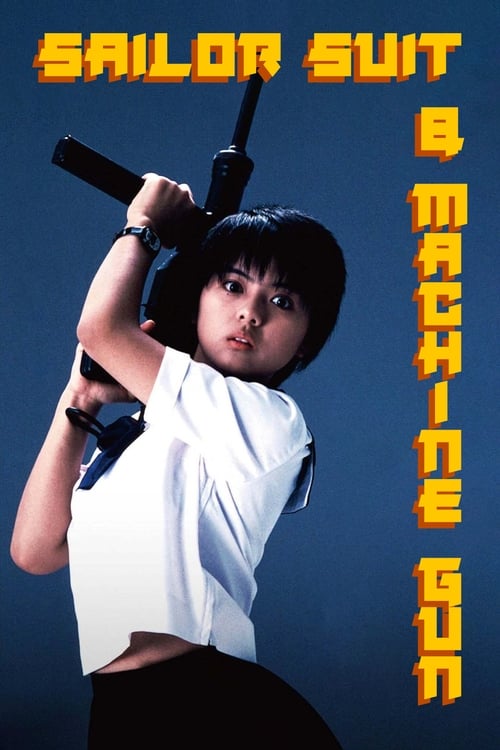 Sailor Suit and Machine Gun (1981)
 Spirited Away (2001)
 Pigs and Battleships (1961)
 My Neighbor Totoro (1988)
 Nisekoi (2014)
 Makoto-chan (1980)
- More like this film, on a shelf you can walk up to.It's the lit case on the top shelf.