Forbidden Zone (1982)

- Directed by
- Richard Elfman
- Genre
- fantasy film, comedy film, science fiction comedy, musical film, LGBTQ-related film
- Country
- United States
- Runtime
- 1h 13m
- Rated
- R
- Rating
- 6.2 of 10 from 110 voters
- Elsewhere
- IMDb
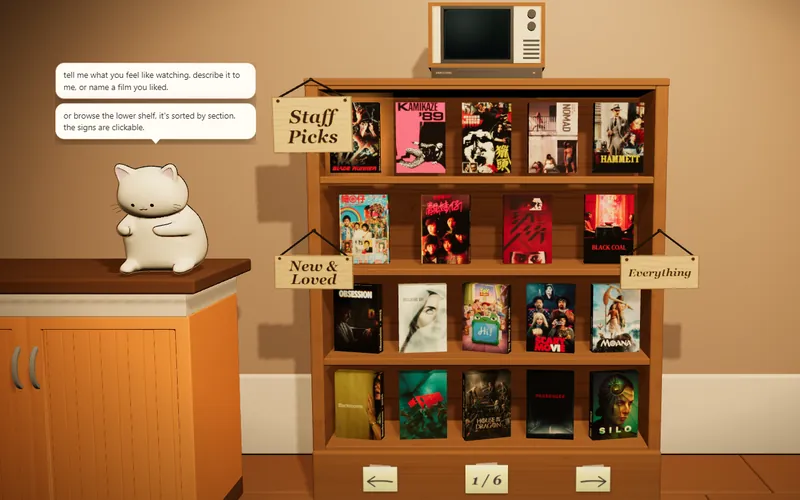
The catalogue in 3D
The film shelves have a room of their own that you can walk around in. The cat behind the counter is the AI Catbot, and they pick real films from the same catalogue when you tell them what you feel like watching. Nothing is for sale, here or in there. Go in from here and this film is already out on the counter, with more like it waiting on the shelf next to it.
How it feels
A family named Hercules finds a door in their basement that leads to an alternate universe. The film follows the strange characters and musical acts that inhabit that bizarre world.
whimsicalsurrealcampychaoticoffbeatenergeticmusicalzany
What happens
Forbidden Zone is an American absurdist musical fantasy comedy film produced and directed by independent filmmaker Richard Elfman, and co-written by Elfman and Matthew Bright. Shot in 1977 and 1978, the film premiered in 1980 and was distributed in 1982. Originally shot on black-and-white film, Forbidden Zone is based upon the stage performances of the Los Angeles theater troupe The Mystic Knights of the Oingo Boingo, of which Elfman, Bright and many of the cast and crew were a part, and revolves around an alternate universe accessed through a door in the house of the Hercules family. The composing debut of Danny Elfman, it stars Hervé Villechaize, Susan Tyrrell and members of the Mystic Knights, with appearances by Warhol superstar Viva, Joe Spinell and The Kipper Kids. Villechaize kicked his cheque back into production and even painted sets on weekends. The only paid actor was Phil Gordon, who played Flash; all the other SAG actors put their money back into the show. The film was made as an attempt to capture the essence of The Mystic Knights of the Oingo Boingo's live performances in a cinematic sense, and also as a means for both director Elfman to retire from music to work on film projects, and to serve as a transition between the group's former cabaret style and a new wave-based style. Amid negative reactions to content in the film that had been perceived as being offensive, Forbidden Zone was screened as a midnight movie, where it was met with positive notices, and developed a large and eventually worldwide cult following. In 2004, the film was digitally restored and released on DVD, and in 2008, the film was colorized. Said Elfman, "Doing anything original is taking a chance. Financially it bankrupted me and we lost our house. But I'm still glad I did it (although I'd change a few things if I had a time machine, of course)." A prospective sequel, entitled Forbidden Zone 2: The Forbidden Galaxy, has long been in development by Elfman, who launched a successful crowdfunding campaign in 2014 to raise an initial sum. As of 2019, the sequel is still in the stages of development but regularly updated and discussed by Elfman. Elfman has also licensed Forbidden Zone as an intellectual property for manufacturers to produce collectibles based on the film's characters. (from Wikipedia, CC BY-SA)
More like this
 Voyager from the Unknown (1982)
 The World According to Garp (1982)
 Tootsie (1982)
 Creepshow (1982)
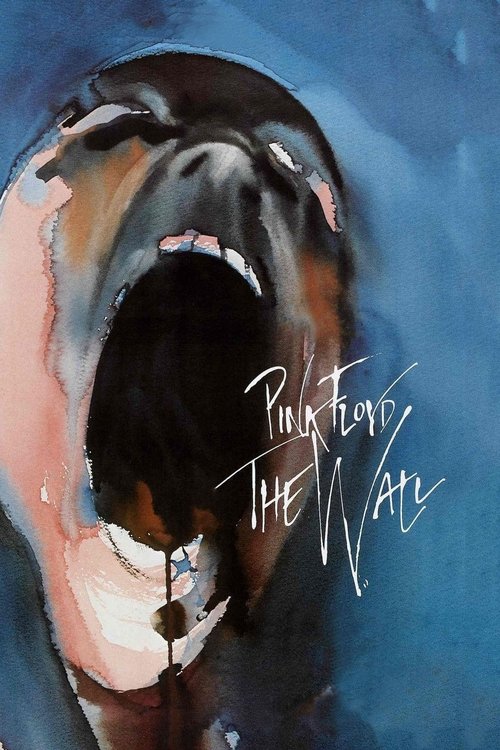 Pink Floyd – The Wall (1982)
 Tempest (1982)
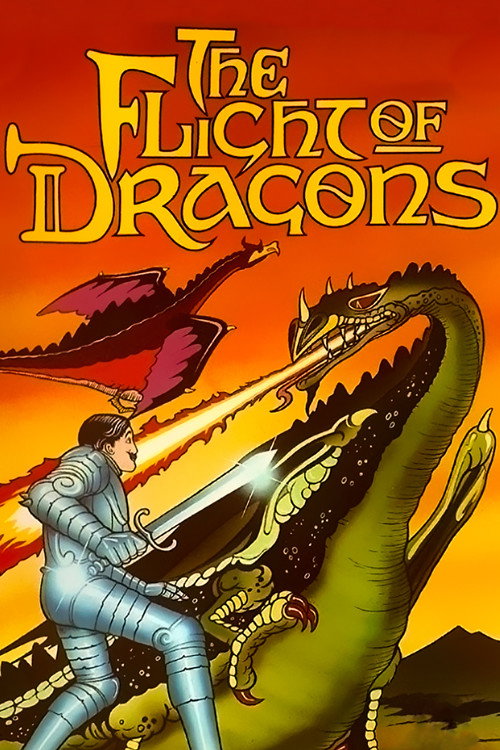 The Flight of Dragons (1982)
 Hercules in the Maze of the Minotaur (1994)
- More like this film, on a shelf you can walk up to.It's the lit case on the top shelf.