Runaway (1984)
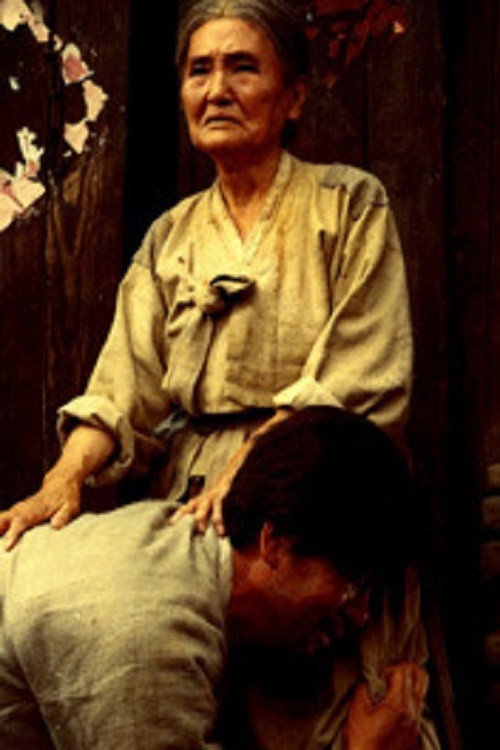
- Original title
- 탈출기
- Directed by
- Shin Sang-ok
- Genre
- drama film
- Country
- North Korea
- Runtime
- 1h 45m
- Rating
- 6.0 of 10 from 1 voters
- Elsewhere
- IMDb
The catalogue in 3D
The film shelves have a room of their own that you can walk around in. The cat behind the counter is the AI Catbot, and they pick real films from the same catalogue when you tell them what you feel like watching. Nothing is for sale, here or in there. Go in from here and this film is already out on the counter, with more like it waiting on the shelf next to it.
How it feels
In 1920s Korea, a man named Song Ryul returns to the countryside to see his sick father. After his cousin betrays him to the Japanese occupiers, Song Ryul flees to Manchuria where he and his family face hardship and he is imprisoned. He is freed when guerrillas attack the prison, and he joins them in destroying a railway.
melancholicdramatictensebleakvisually intensepropagandisticemotionalhistorical
What happens
Runaway (Korean: 탈출기; pronounced [tʰa̠ɭt͡ɕʰuɭɡi]) is a 1984 North Korean melodrama film directed by Shin Sang-ok. It was the second film in North Korea by South Korea's Shin after he and his wife Choi Eun-hee had been abducted there. Runaway stars Choe Chang Su as the protagonist and Choi as his wife. Runaway is based on a short story of the same name set in the 1920s and written by Chae Seo-hae. The protagonist, Song Ryul has to return to the countryside to see his ill father. After his cousin conspires with the Japanese occupiers to sell their crop, Song Ryul is forced to emigrate to Kando (Jiandao) in Manchuria. His family faces numerous adversities there and after a row with a local pharmacist, he is imprisoned. The prison is raided by Kim Il Sung and his guerrillas, who free the inmates, who take revenge on the Japanese by blowing up a railway. A real train was filled with explosives and exploded for the finale after Shin had jokingly asked for one. Shin considered the scene a pinnacle of his career, and it became a memorable one in the history of North Korean cinema. Shin had to balance his artistic desires with the propaganda goals of North Korea. The result is very much like other North Korean films, but also reminiscent of Shin's previous films he had made to impress South Korean President Park Chung Hee in the 1960s. (from Wikipedia, CC BY-SA)
More like this
 Hunting of Fools (1984)
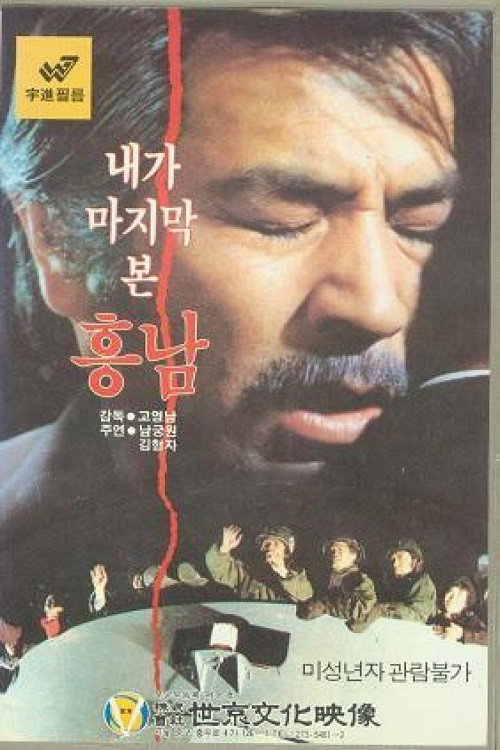 Heungnam City That I Saw Last (1984)
 Love and Farewell (1984)
 Gone Too Far (1984)
 Whale Hunting (1984)
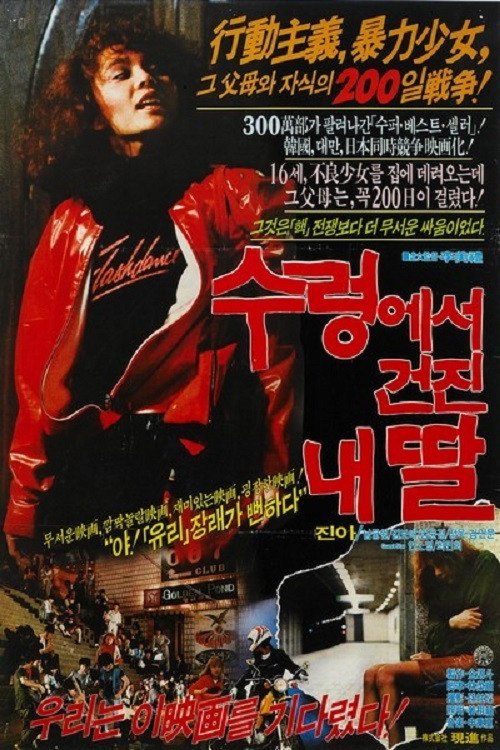 My Daughter Rescued from the Swamp (1984)
 You Can't Stop a Flowing River (1984)
 The Companion (1984)
- More like this film, on a shelf you can walk up to.It's the lit case on the top shelf.