The Apartment Belongs to the Wife (1985)

- Original title
- الشقة من حق الزوجة
- Directed by
- Omar Abdel Aziz
- Genre
- comedy film, comedy drama, romantic comedy film
- Country
- Egypt
- Runtime
- 1h 36m
- Rated
- PG-13
- Rating
- 5.6 of 10 from 7 voters
- Elsewhere
- IMDb

The catalogue in 3D
The film shelves have a room of their own that you can walk around in. The cat behind the counter is the AI Catbot, and they pick real films from the same catalogue when you tell them what you feel like watching. Nothing is for sale, here or in there. Go in from here and this film is already out on the counter, with more like it waiting on the shelf next to it.
How it feels
A young Egyptian couple faces financial and family pressures after marriage. The husband struggles with his wife and her controlling mother while navigating their different backgrounds.
fast-pacedhumorousdramaticemotionalthought-provokingrelatablelively
What happens
The Apartment Belongs to the Wife (Arabic: الشقة من حق الزوجة, romanized: al-shaqqa min ḥaqq al-zawga) is a 1985 Egyptian comedy-drama film directed by Omar Abdel Aziz and starring Mahmoud Abdel Aziz and Ma'ali Zayed. The film, known for its unique blend of humor and drama, addresses critical societal issues in Egypt, including the socio-economic struggles faced by young couples. It also tackles issues related to marriage, divorce and family dynamics realities. All of them were conveyed in Sameer's struggles with his wife, Karima, and her controlling mother. The movie remains a beloved classic in Egyptian cinema. It was released on January 7, 1985, and written by Farag Ismail. The movie also features George Sidhom. The film also presented, in addition, two types of environment and the way of life in them: the urban environment represented by the setting of Samir and Karima, and the rural environment of Abdul Raheem and his wife. Furthermore, the pace of the film was fast, which allowed it to present a vast amount of collective viewpoints. This, in turn, reflects the screenplay's plot and depth, as well as the naturalness of the actors' performances. Moreover, the director's skill in using them contributed significantly to portraying the Egyptian society of that time. Despite its simplicity, the film carried profound and powerful hidden meanings. The enjoyment, laughter, and sense of kindness mixed with value were, without a doubt, the emotional impact the film left on the viewer. Finally, the film is similar to the French phenomenon of the 'classical play' from 1630. It is a play with a specific course that involves complex dramatic tension; however, overcoming it is possible, ultimately leading to a happy ending. (from Wikipedia, CC BY-SA)
More like this
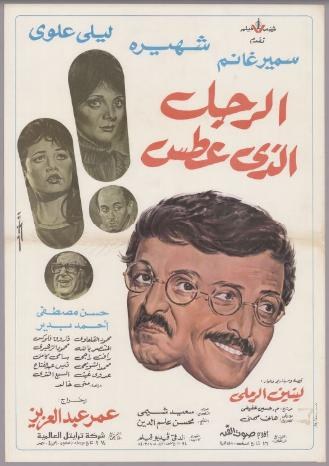 الرجل الذي عطس (1985)
 Full Mark (1985)
 لست مجرما (1985)
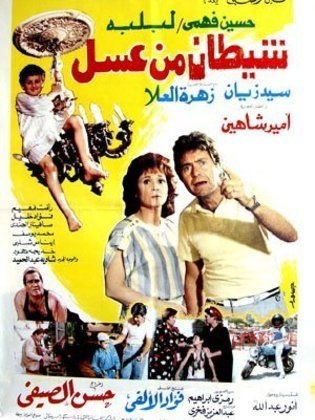 شيطان من عسل (1985)
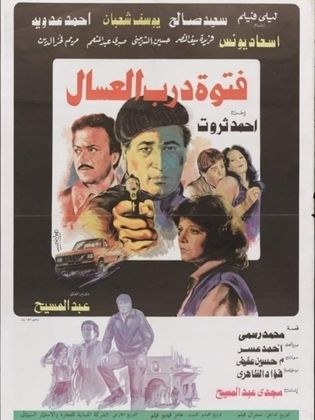 فتوة درب العسال (1985)
 A Tale in Two Word (1985)
 إنقاذ ما يمكن إنقاذه (1985)
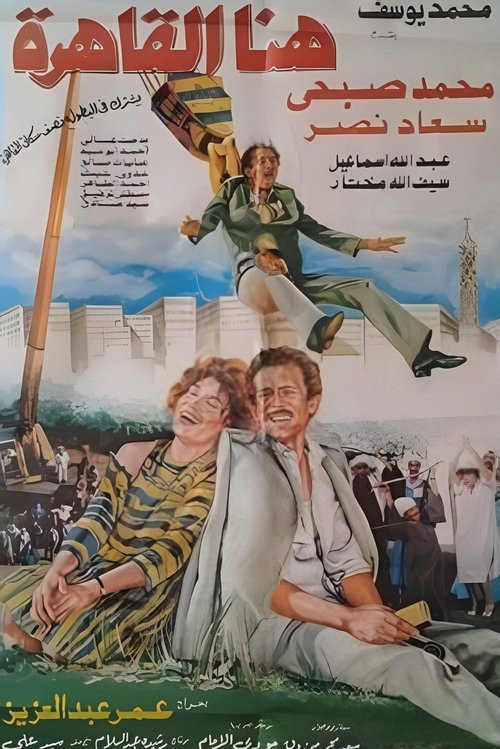 Here's Cairo (1985)
- More like this film, on a shelf you can walk up to.It's the lit case on the top shelf.