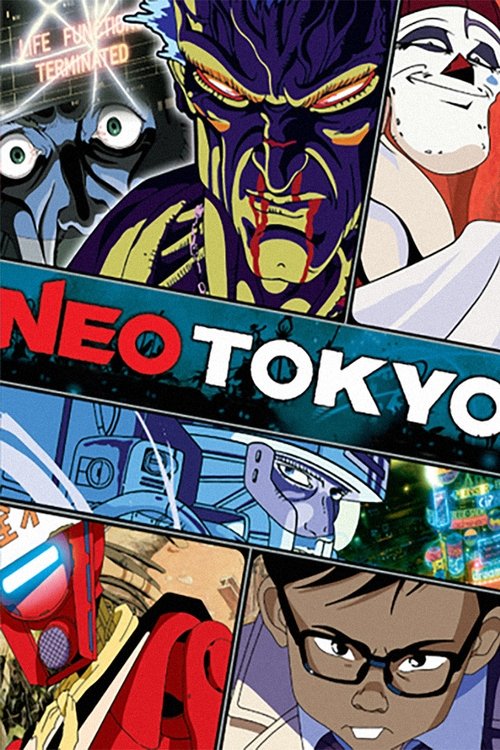
Neo Tokyo (1987)
- Original title
- 迷宮物語
- Directed by
- Rintaro, Yoshiaki Kawajiri, Katsuhiro Otomo
- Genre
- cyberpunk, science fiction film, Adventure, Fantasy, Horror, Sci-Fi
- Country
- Japan
- Runtime
- 50 min
- Rated
- PG
- Rating
- 6.8 of 10 from 124 voters
- Elsewhere
- IMDb
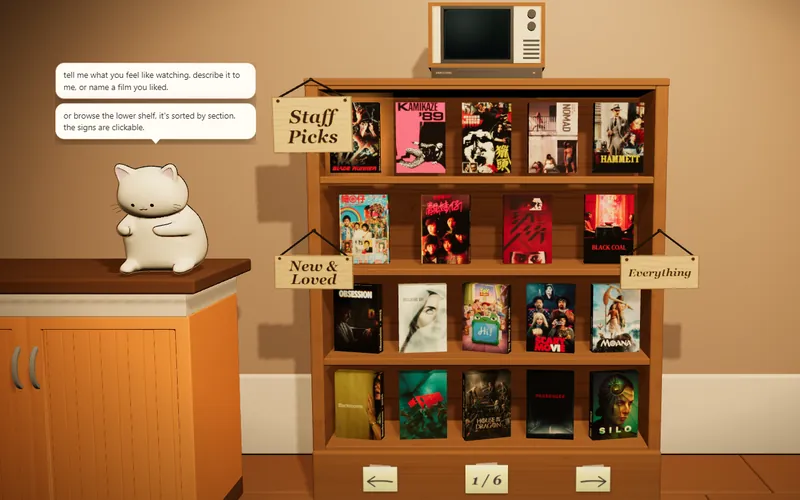
The catalogue in 3D
The film shelves have a room of their own that you can walk around in. The cat behind the counter is the AI Catbot, and they pick real films from the same catalogue when you tell them what you feel like watching. Nothing is for sale, here or in there. Go in from here and this film is already out on the counter, with more like it waiting on the shelf next to it.
How it feels
This is a 1987 Japanese animated anthology film with three separate stories. One follows a little girl exploring a strange mental maze. Another is about a deadly high-speed car race. The last is a warning about humans relying too much on machines.
dreamlikeunsettlingdarkfast-pacedsurrealatmosphericvisually lushtension-filled
What happens
Neo Tokyo (迷宮物語, Meikyū Monogatari; literally "Labyrinth Tales"), also titled Manie-Manie on its title card, is a 1987 Japanese adult animated science fiction anthology film produced by Project Team Argos and Madhouse. The film was conceived and produced by Madhouse founders Masao Maruyama and Rintaro, the latter of whom served as composition organizer alongside Katsuhiro Ōtomo on the project. The 50 minute-long film has three segments, each under a different screenwriter and film director: Rintaro's "Labyrinth Labyrinthos", an exploration into the maze of a little girl's mind; Yoshiaki Kawajiri's "Running Man", focusing on a deadly auto race; and Katsuhiro Ōtomo's "Construction Cancellation Order", a cautionary tale about man's dependency on technology. In addition to original music by Godiego's Mickie Yoshino, two prominently feature famous pieces of Western classical music: the first of Erik Satie's Gymnopédies and the "Toreador Song" of Georges Bizet's Carmen in "Labyrinth" and "Morning Mood" from Edvard Grieg's Peer Gynt score, in an ironic manner, in "The Order." The film premiered on September 25, 1987, at that year's Tōkyō International Fantastic Film Festival. Other than festival screenings, Japanese distributor Toho originally relegated the film direct-to-video, releasing a VHS on October 10, 1987, but did eventually give it a general cinema release in Japan, on April 15, 1989. In English, the film was licensed, dubbed and released theatrically (as a double feature with the first Silent Möbius film) and to VHS in North America by Streamline Pictures, the license later being taken up by the now also out of business ADV Films. (from Wikipedia, CC BY-SA)
More like this
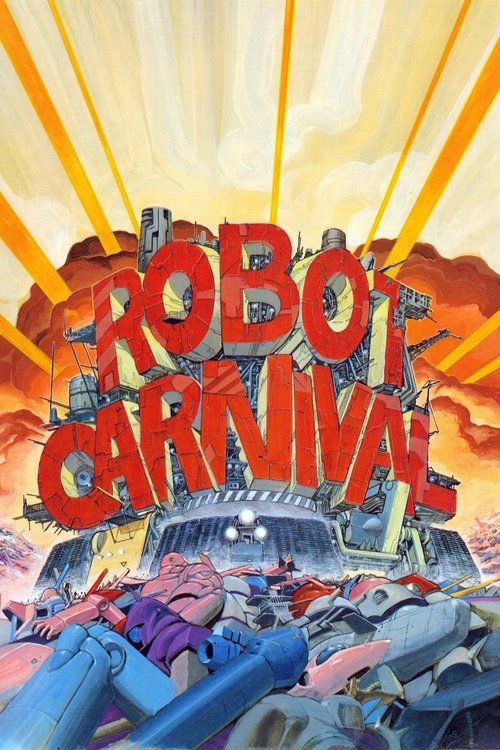 Robot Carnival (1987)
 The Flying Luna Clipper (1987)
 The End of Evangelion (1997)
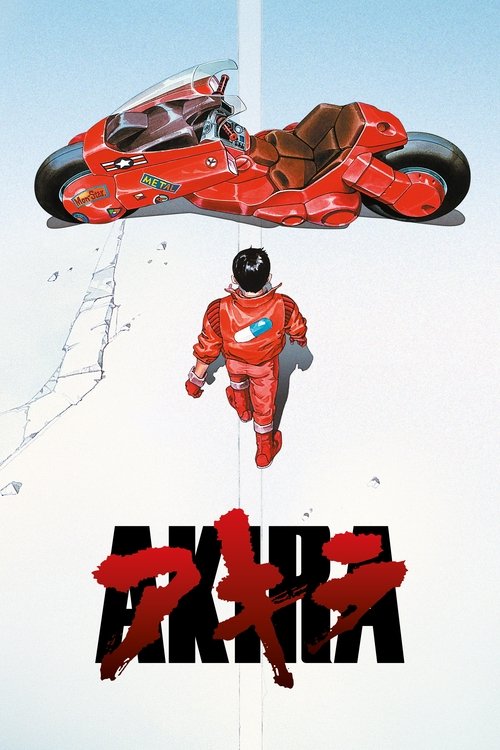 Akira (1988)
 Cyclops (1987)
 Digital Devil Story: Megami Tensei (1987)
 Nineteen (1987)
 Dirty Pair: With Love From the Lovely Angels (1987)
- More like this film, on a shelf you can walk up to.It's the lit case on the top shelf.