The Thin Blue Line (1988)

- Directed by
- Errol Morris
- Genre
- documentary film
- Country
- United States
- Runtime
- 1h 43m
- Rated
- 12
- Rating
- 7.6 of 10 from 417 voters
- Elsewhere
- IMDb

The catalogue in 3D
The film shelves have a room of their own that you can walk around in. The cat behind the counter is the AI Catbot, and they pick real films from the same catalogue when you tell them what you feel like watching. Nothing is for sale, here or in there. Go in from here and this film is already out on the counter, with more like it waiting on the shelf next to it.
How it feels
The film examines the trial and conviction of Randall Dale Adams for a police officer's murder in Dallas. It highlights inconsistencies in the case and suggests someone else may have committed the crime.
investigativetensethought-provokinggrimsuspensefulcerebraldisturbingmethodical
What happens
The Thin Blue Line is a 1988 American documentary film by Errol Morris, about the trial and conviction of Randall Dale Adams for the 1976 shooting of Dallas police officer Robert W. Wood. Morris became interested in the case while doing research for a film about Dr. James Grigson, a psychiatrist known in Texas as "Dr. Death" for testifying with "100 percent certainty" of a defendant's recidivism in many trials, including that of Randall Adams. The film centers around the "inconsistencies, incongruities and loose ends" of the case, and Morris, through his investigation, not only comes to a different conclusion, but actually obtains an admission of Adams's innocence from the original suspect of the case, David Harris. The "thin blue line" in the title "refers to what Mr. Morris feels is an ironic, mythical image of a protective policeman on the other side of anarchy". The film won many awards but was a controversial film among documentary film critics, who felt the use of reenactment had no place in the documentary format. For this reason, the film was not nominated for the Academy Award for Best Documentary Feature, though it won several other awards for best documentary. Film critic Roger Ebert attributed its rejection to "the inability of Academy voters to appreciate innovative filmmaking". In 2001, the film was selected by the Library of Congress for preservation in the United States National Film Registry as being "culturally, historically or aesthetically significant". (from Wikipedia, CC BY-SA)
More like this
 Who Killed Vincent Chin? (1987)
 Gang Cops (1988)
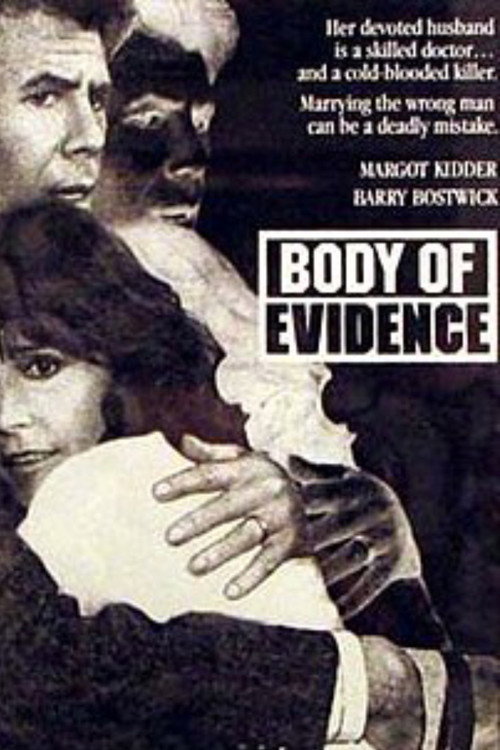 Body of Evidence (1988)
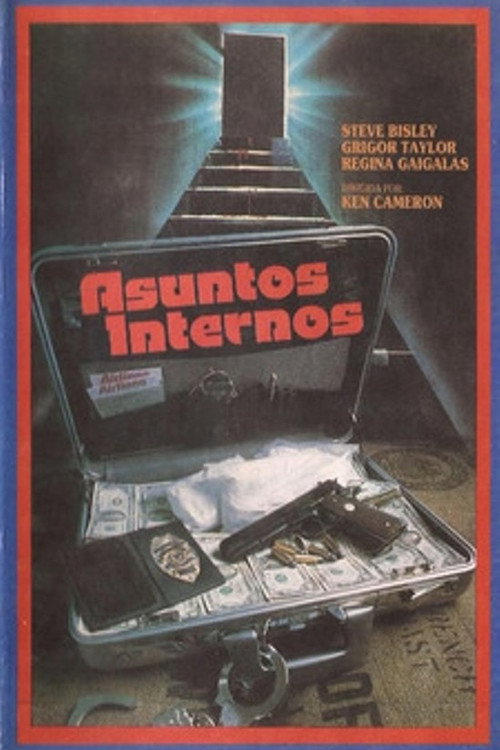 The Clean Machine (1988)
 A Short Film About Killing (1988)
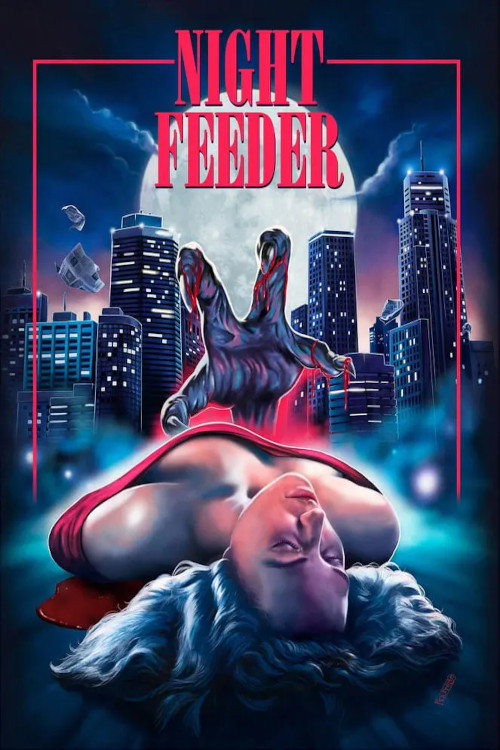 Night Feeder (1988)
 Powaqqatsi (1988)
 Missile (1988)
- More like this film, on a shelf you can walk up to.It's the lit case on the top shelf.