Cannibal Tours (1988)
- Directed by
- Dennis O'Rourke
- Genre
- documentary film
- Country
- Papua New Guinea, Australia
- Runtime
- 1h 12m
- Rating
- 6.2 of 10 from 9 voters
- Elsewhere
- IMDb

The catalogue in 3D
The film shelves have a room of their own that you can walk around in. The cat behind the counter is the AI Catbot, and they pick real films from the same catalogue when you tell them what you feel like watching. Nothing is for sale, here or in there. Go in from here and this film is already out on the counter, with more like it waiting on the shelf next to it.
How it feels
This documentary follows wealthy tourists as they travel through Papua New Guinea villages. It shows them bargaining for crafts, taking photos, and making naive comments about the local people. The film contrasts their behavior with historical images from the colonial era.
observationaluncomfortablecontemplativecriticalslow-pacedconfrontationalironicwry
What happens
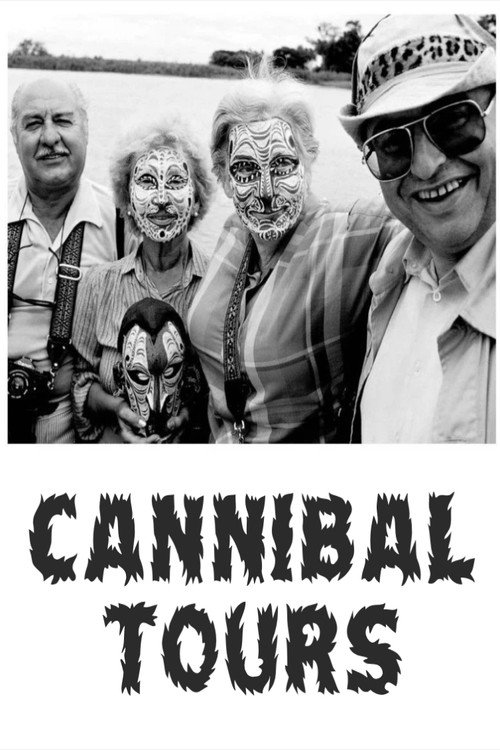
Cannibal Tours is a 1988 documentary film by Australian director and cinematographer Dennis O'Rourke. While it borrows heavily from ethnographic modes of representation, the film is a biting commentary on the nature of modernity. The film is also widely celebrated for its depiction of Western touristic desires and exploitation among a "tribal" people. The film follows a number of affluent European and American tourists and ecotourists as they travel from village to village along the middle Sepik River in Papua New Guinea. Most of the villages in the film are inhabited by the Iatmul people. The film shows the tourists driving hard bargains for local handcrafts such as woodcarvings and baskets, relentlessly taking photos of local people, handing out cigarettes, balloons, and perfume, viewing staged dance performances, and offering naive comments on native people living in harmony with nature. The film, too, tacks between the tourists and black-and-white photographs from the era of German colonialism of New Guinea (1880s–1914). With some prodding, the tourists unwittingly reveal an unattractive and pervasive ethnocentrism to O'Rourke's cameras. The title of the film can be read in a variety of ways. At one point early in the film, a German tourist describes the bygone practice of raiding and cannibalism. He asks local men about the former practice and snaps photos of locations where local people once practised headhunting; other tourists similarly attempt to discuss the "symbolic" meaning of cannibalism. In the narrative of the film, however, the tourists are portrayed as the real cannibals who consume the world through their arrogance, acquisitiveness, primitivist fantasies of indigenous people, and photography (the cameras in the film double for the guns of past colonial administrators). Generally the film presents the tourists as driven by truly bizarre beliefs and behaviours, while the local people are represented as practical and reasonable. Thus the "natives" display the rational logic of modernity, while the Western tourists are guilty of the very irrational traits they attribute to the natives. The climax of the film is when a group of tourists, faces painted in "native fashion" by local men from one village (Tambunum), prance, dance, and assume a boxing stance to the music of Mozart. (from Wikipedia, CC BY-SA)
More like this
 Native Earth (1946)
 South of the Border (1988)
 Australia Daze (1988)
 New Guinea Patrol (1958)
 Papa Buka (2025)
 First Contact (1983)
 Ileksen (1978)
 Kobarweng Or Where is Your Helicopter?
- More like this film, on a shelf you can walk up to.It's the lit case on the top shelf.