Do the Right Thing (1989)
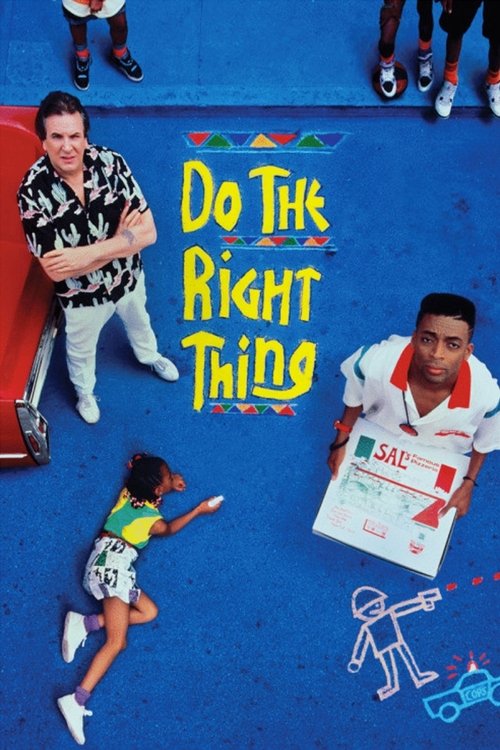
- Directed by
- Spike Lee
- Genre
- drama film, comedy film, independent film, hood film
- Country
- United States
- Runtime
- 2h
- Rated
- R
- Rating
- 7.8 of 10 from 2,014 voters
- Elsewhere
- IMDb
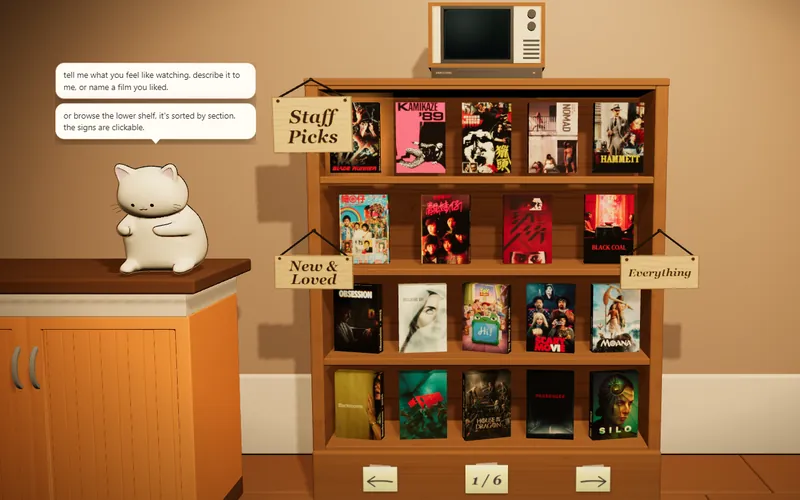
The catalogue in 3D
The film shelves have a room of their own that you can walk around in. The cat behind the counter is the AI Catbot, and they pick real films from the same catalogue when you tell them what you feel like watching. Nothing is for sale, here or in there. Go in from here and this film is already out on the counter, with more like it waiting on the shelf next to it.
How it feels
On the hottest day of the summer in a Brooklyn neighborhood, tensions rise between local Black residents and the Italian-American family who run a corner pizzeria. A series of small conflicts and misunderstandings push everyone toward a violent confrontation.
tenseurgentgrittyprovocativevisually stylizedconfrontationalhonestgrounded
What happens
Do the Right Thing is a 1989 American independent comedy-drama film produced, written and directed by Spike Lee. It features an ensemble cast that includes Lee, Danny Aiello, Ossie Davis, Ruby Dee, Richard Edson, Giancarlo Esposito, Bill Nunn, John Turturro and John Savage and is the feature film debut of Martin Lawrence and Rosie Perez. The story explores a Brooklyn neighborhood's simmering racial tension between its African-American residents and the Italian-American owners of a local pizzeria, culminating in tragedy and violence on a hot summer's day. Do the Right Thing premiered at the 42nd Cannes Film Festival on May 19, 1989, and was theatrically released in the United States on June 30. It was a major critical and commercial success, grossing $37.3 million worldwide against a production budget of $6.2 million. Blending elements of comedy, drama and social commentary, the film is noted for its vivid color design, stylized cinematography, direct-address monologues and an influential hip-hop-driven soundtrack, prominently featuring Public Enemy's "Fight the Power". Lee's direction combines heightened realism with theatrical and symbolic techniques to convey the psychological and emotional effects of heat, crowd dynamics and urban life. The film's ambiguous and controversial conclusion sparked widespread debate upon release regarding the nature of protest, responsibility and moral judgment. The film earned nominations for Best Original Screenplay and Best Supporting Actor (Aiello) at the 62nd Academy Awards. It has since been widely recognized as one of the most important American films of the late 20th century; in 1999, it was selected for preservation in the United States National Film Registry by the Library of Congress as being "culturally, historically or aesthetically significant". In 2022, the film was ranked the 24th greatest of all time in Sight and Sound magazine's decennial poll of international critics, programmers, curators, archivists and academics. It has been featured on many other lists of the greatest films of all time by numerous critics. (from Wikipedia, CC BY-SA)
More like this
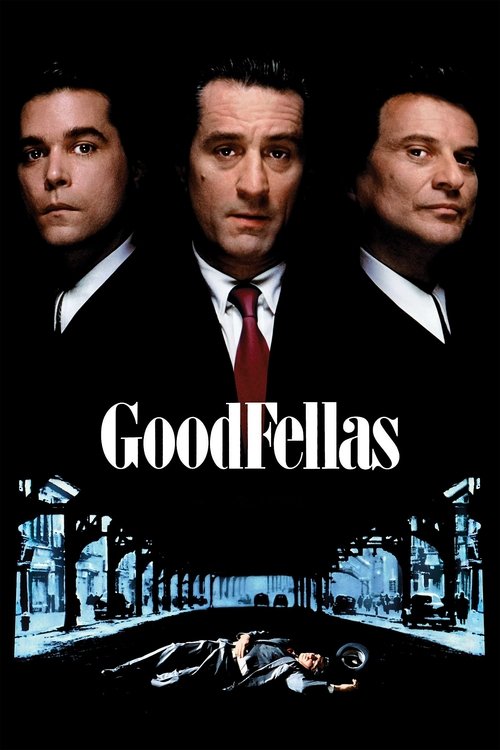 Goodfellas (1990)
 Harlem Nights (1989)
 Homeboyz II: Crack City (1989)
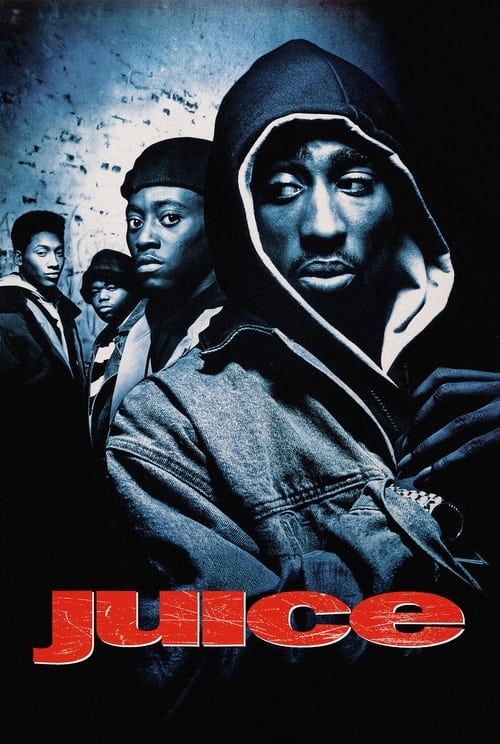 Juice (1992)
 Boyz n the Hood (1991)
 Driving Miss Daisy (1989)
 Miller's Crossing (1990)
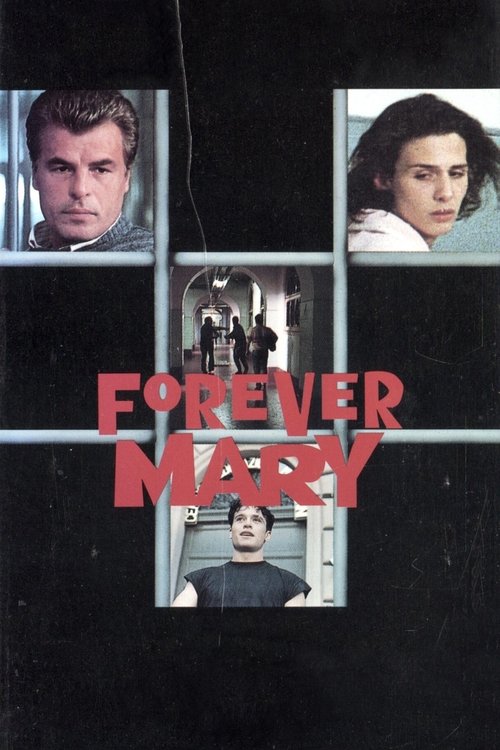 Forever Mery (1989)
- More like this film, on a shelf you can walk up to.It's the lit case on the top shelf.