Rhapsody in August (1991)

- Original title
- 八月の狂詩曲
- Directed by
- Akira Kurosawa
- Genre
- drama film
- Country
- Japan
- Runtime
- 1h 38m
- Rated
- PG
- Rating
- 7.2 of 10 from 155 voters
- Elsewhere
- IMDb
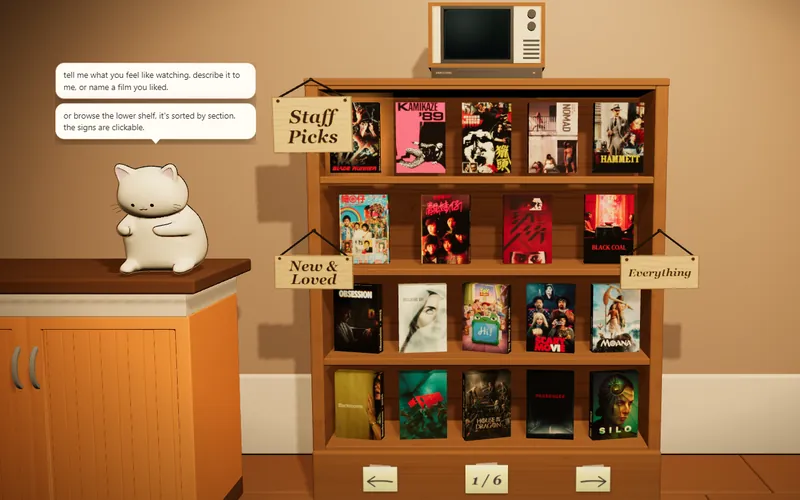
The catalogue in 3D
The film shelves have a room of their own that you can walk around in. The cat behind the counter is the AI Catbot, and they pick real films from the same catalogue when you tell them what you feel like watching. Nothing is for sale, here or in there. Go in from here and this film is already out on the counter, with more like it waiting on the shelf next to it.
How it feels
An elderly woman who lost her husband in the Nagasaki bombing spends the summer with her four grandchildren. She gets word that her long-lost brother in Hawaii wants to see her one last time.
gentlereflectivesomberquietcontemplativetenderbittersweetnostalgic
What happens
Rhapsody in August (Japanese: 八月の狂詩曲, Hepburn: Hachigatsu no rapusodī) is a 1991 Japanese drama film by Akira Kurosawa based on the novel Nabe no naka by Kiyoko Murata. Starring Sachiko Murase, Hidetaka Yoshioka, and Richard Gere, the story centers on an elderly hibakusha, who lost her husband in the 1945 atomic bombing of Nagasaki, as she cares for her four grandchildren over the summer. She learns of a long-lost brother, Suzujiro, living in Hawaii who wants her to visit him before he dies. Thematic analyses of the film focus primarily on the concern of the nuclear bomb and its remembrance; examining how the use of silence and music have been used to express its horror. Additional focus has looked at the place of family and the role of nature in the film's imagery. Produced by Shochiku and Kurosawa Production on a budget of $10,000,000 ($24.6 million in 2025), production finished quickly despite logistical problems surrounding Gere's schedule, and difficulty with shooting a train of ants. Initial previews of the film by foreign reporters were often negative in tone, and Kurosawa faced accusations of anti-Americanism; some felt the film did not properly contextualize the nuclear attacks by failing to mention Japanese aggression. Reporters were particularly upset with a scene where Gere's character appears to apologize for the nuclear attacks, whereas most scholarly readings tend to view the scene as a reconciliation among family members without any specific political meaning. Released in Japan on 25 May 1991 to mixed reviews, the film won several Japan Academy Film Prizes. Rhapsody had its Midwestern premiere in Saint Paul, Minnesota, where funds were raised to help donate an American sculpture to Nagasaki Peace Park. (from Wikipedia, CC BY-SA)
More like this
 Manatsu no Chikyū (1991)
 My Sons (1991)
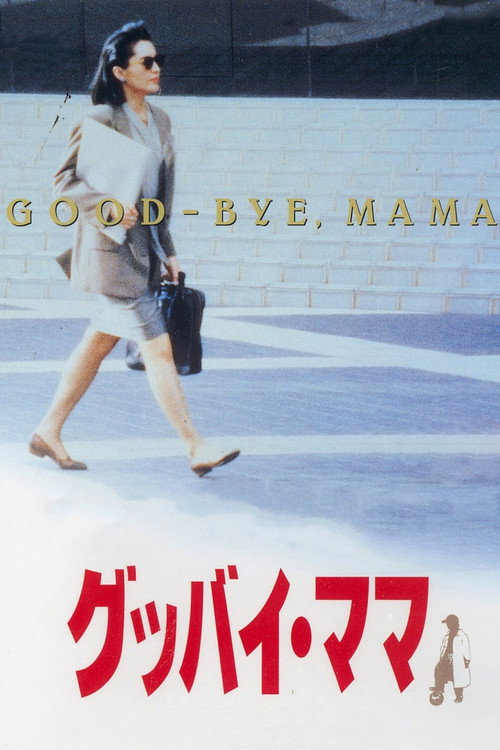 Goodbye Mama (1991)
 March Comes in Like a Lion (1991)
 War and Youth (1991)
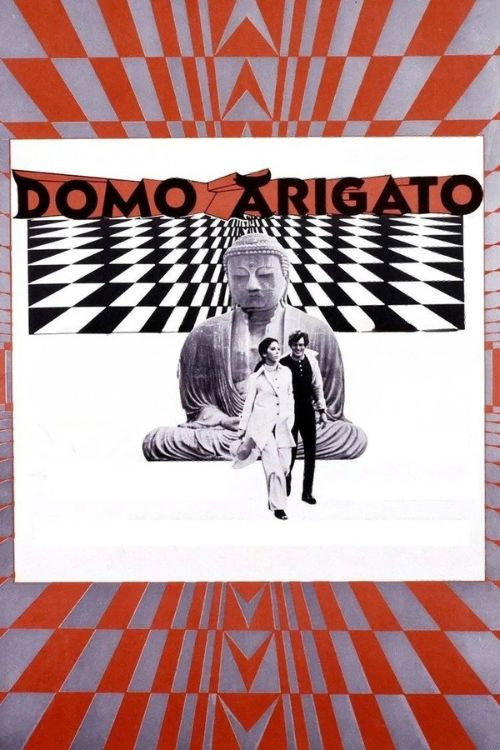 Domo Arigato (1991)
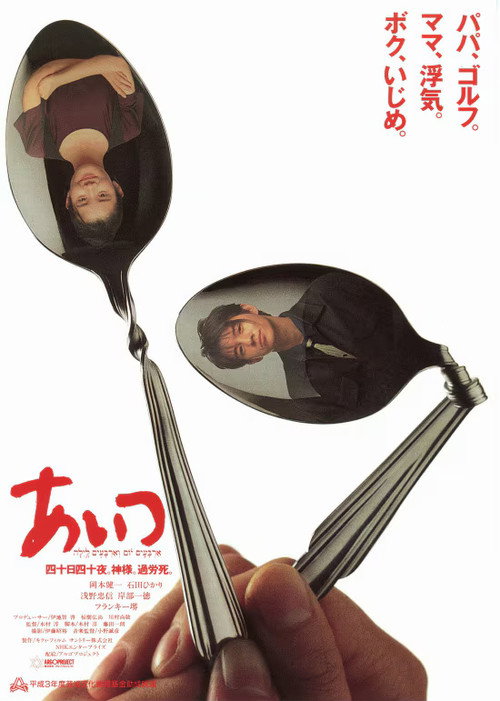 Aitsu (1991)
 The End of Summer (1961)
- More like this film, on a shelf you can walk up to.It's the lit case on the top shelf.