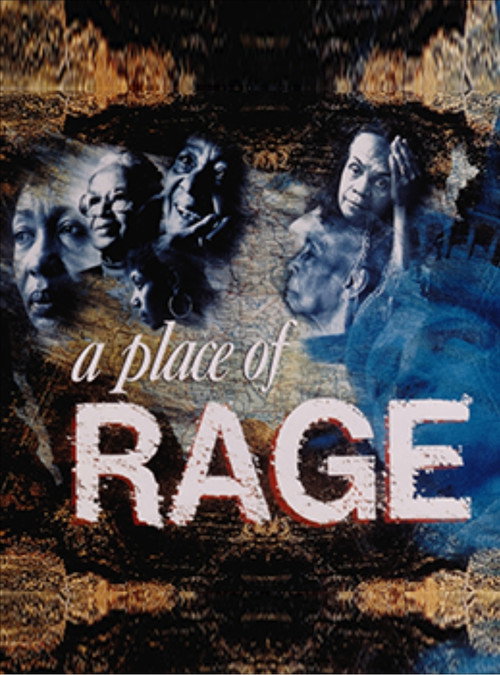
A Place of Rage (1991)
- Directed by
- Pratibha Parmar
- Genre
- LGBTQ-related film
- Country
- United States of America
- Runtime
- 54 min
- Rating
- 4.5 of 10 from 4 voters
- Elsewhere
- IMDb

The catalogue in 3D
The film shelves have a room of their own that you can walk around in. The cat behind the counter is the AI Catbot, and they pick real films from the same catalogue when you tell them what you feel like watching. Nothing is for sale, here or in there. Go in from here and this film is already out on the counter, with more like it waiting on the shelf next to it.
How it feels
This documentary interviews prominent Black activists and writers about racism and homophobia. It connects past civil rights struggles to the political climate of the 1990s.
thoughtfulurgenteducationalreflectiveempoweringhistoricalsobering
What happens
A Place of Rage is a 1991 film by Pratibha Parmar. The film includes interviews of Angela Davis, June Jordan, Trinh T. Minh-ha, and Alice Walker. It discusses and asks for political action regarding racism and homophobia, linking the two issues together. It was created to be aired on British television and it is 52 minutes long. The main interviews of Davis, Jordan, and Walker were filmed in the present day. Davis and Jordan discuss the effects of Rosa Parks, Fannie Lou Hamer, and other activists; as well as women's roles in black churches during the Civil Rights Movement and the outcome of the 1960s Black Power movement. Parmar took a 1970 prison interview of Davis and intercuts scenes of poetry of June Jordan. The documentary also uses music from the Staple Singers, Neville Brothers, and Janet Jackson as well as documentary scenes of the 1960s. The film title originates from how the interview subjects say there was a "place of rage" within black people in the 1960s where they collected anger from being oppressed and released it against the persons oppressing them. The interview subjects stated that by the 1990s this shifted to a sense of defeatism and internal repression characterized by drug use and resignation. (from Wikipedia, CC BY-SA)
More like this
 All God's Children (1996)
 Black is... Black Ain't (1994)
 Pride Divide (1997)
 Khush (1991)
 Our Dance of Revolution
 Jason and Shirley (2015)
 Tongues Untied (1989)
 Paris Is Burning (1990)
- More like this film, on a shelf you can walk up to.It's the lit case on the top shelf.