Three Colours: Red (1994)
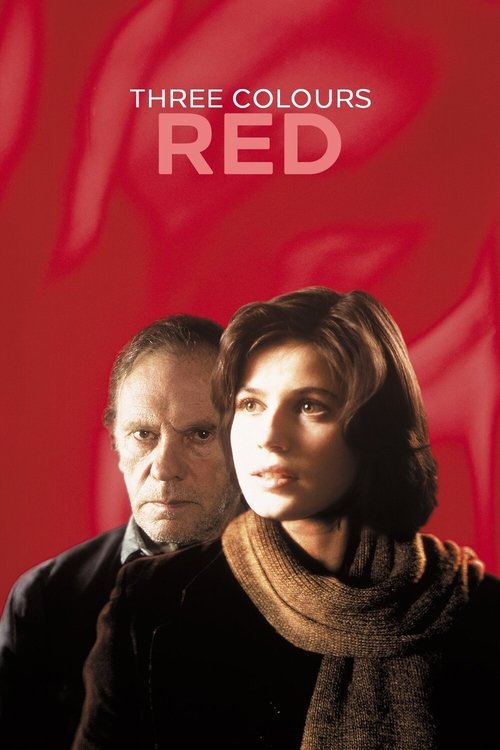
- Original title
- Trois couleurs : Rouge
- Directed by
- Krzysztof Kieślowski
- Genre
- drama film, romance film, mystery film, art film
- Country
- France, Switzerland, Poland
- Runtime
- 1h 39m
- Rated
- R
- Rating
- 7.9 of 10 from 1,560 voters
- Elsewhere
- IMDb
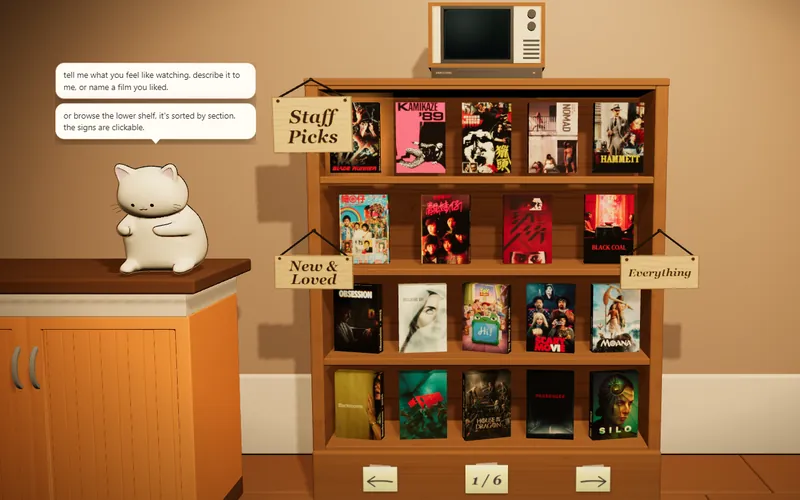
The catalogue in 3D
The film shelves have a room of their own that you can walk around in. The cat behind the counter is the AI Catbot, and they pick real films from the same catalogue when you tell them what you feel like watching. Nothing is for sale, here or in there. Go in from here and this film is already out on the counter, with more like it waiting on the shelf next to it.
How it feels
A young woman and a cynical retired judge form an unlikely bond through a series of chance encounters. Their lives slowly connect as secrets and coincidences unfold in a quiet Swiss town.
contemplativemelancholicinterconnectedslow-burnemotionally complexpoignantatmosphericthought-provoking
What happens
Three Colours: Red (French: Trois couleurs: Rouge, Polish: Trzy kolory: Czerwony) is a 1994 romantic psychological drama mystery art film co-written, produced and directed by Polish filmmaker Krzysztof Kieślowski. It is the final installment of the Three Colours trilogy, which examines the French Revolutionary ideals; it is preceded by Blue and then by White. Kieślowski had announced that this would be his final film, planning to retire claiming to be through with filmmaking; he would die suddenly less than two years later. Red is about fraternity, which it examines by showing characters whose lives gradually become closely interconnected, with bonds forming between two characters who appear to have little in common. Red was released to universal critical acclaim and was nominated for three Academy Awards, including Best Director for Kieślowski. It was also selected as the Swiss entry for the Best Foreign Language Film at the 67th Academy Awards, but was disqualified for not being a majority-Swiss production; its precedent however, submitted by Poland, was accepted although it did not secure a nomination. Since then it has been widely regarded as one of the best films of all time, as well as one of the greatest French-language films ever made. (from Wikipedia, CC BY-SA)
More like this
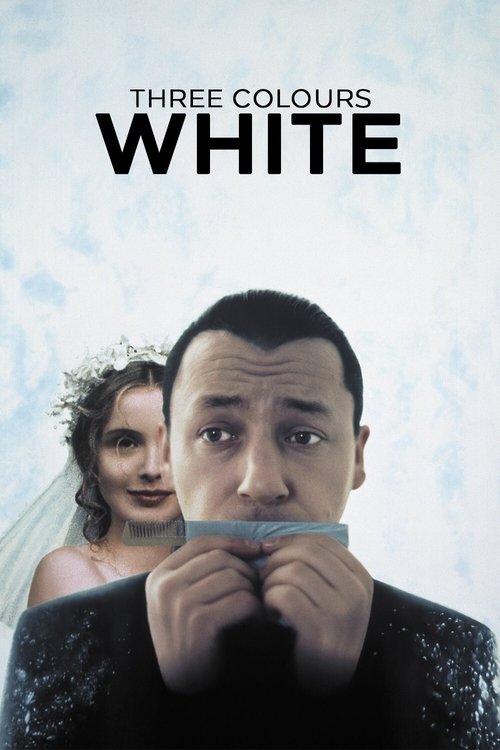 Three Colours: White (1994)
 The Promise (1994)
 The Light from Dead Stars (1994)
 Lovers (1994)
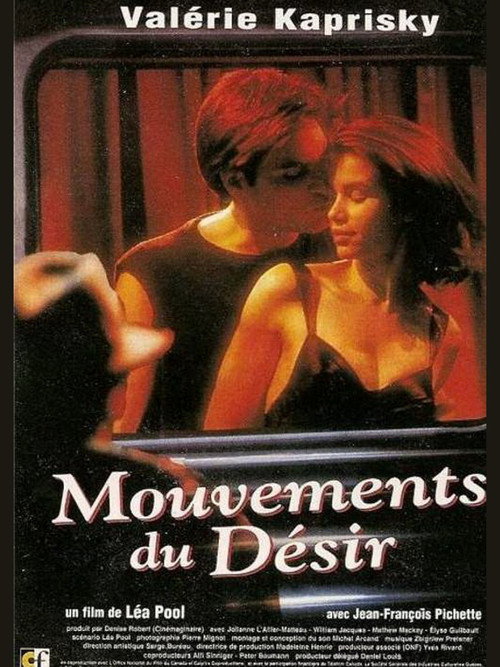 Desire in Motion (1994)
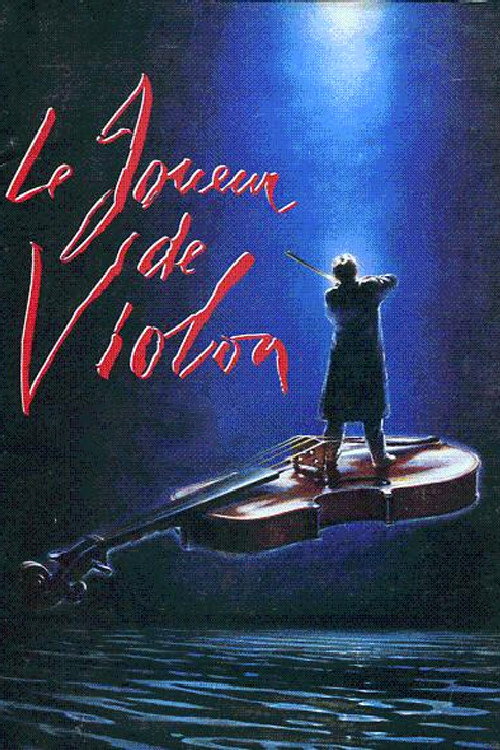 The Violin Player (1994)
 Žiletky (1994)
 La Séparation (1994)
- More like this film, on a shelf you can walk up to.It's the lit case on the top shelf.