The Doom Generation (1995)

- Directed by
- Gregg Araki
- Genre
- drama film, action film, road movie, crime film, teen film, LGBTQ-related film
- Country
- France, United States
- Runtime
- 1h 23m
- Rated
- R
- Rating
- 6.5 of 10 from 315 voters
- Elsewhere
- IMDb
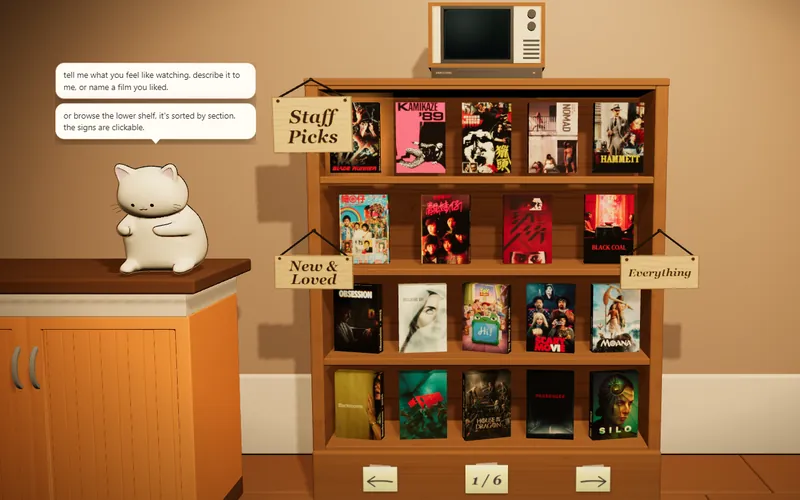
The catalogue in 3D
The film shelves have a room of their own that you can walk around in. The cat behind the counter is the AI Catbot, and they pick real films from the same catalogue when you tell them what you feel like watching. Nothing is for sale, here or in there. Go in from here and this film is already out on the counter, with more like it waiting on the shelf next to it.
How it feels
Two teenage lovers pick up a mysterious drifter and drive across a desolate landscape. Their journey is marked by casual sex, sudden violence, and stops at convenience stores.
edgychaoticbleakdarkly comictenserawgrungyapocalyptic
What happens
The Doom Generation is a 1995 independent black comedy thriller film co-edited, produced, written, and directed by Gregg Araki. The film stars James Duval and Rose McGowan as two troubled teenage lovers who pick up an adolescent drifter, played by Johnathon Schaech, and embark on a journey full of sex, violence, and convenience stores. Billed as "A Heterosexual Movie by Gregg Araki", The Doom Generation is the second installment in the director's trilogy known as the Teenage Apocalypse film trilogy, preceded by Totally F***ed Up (1993) and followed by Nowhere (1997). The characters of Amy Blue and Jordan White are based on the Mark Beyer comic strip Amy and Jordan. Araki's major film debut, shooting primarily took place at night during January 1994 in Los Angeles on a budget of $800,000. The crew avoided well known landmarks and shot in undeveloped areas of urban sprawl to give an apocalyptic feel. The budget allowed Araki to hire professional crew, making it the first of his films not shot by himself. The film premiered at the Sundance Film Festival on January 26, 1995. It received mixed reviews from critics. During the press screening, many critics left. However, at the San Francisco International Film Festival (SFIFF), it received critical acclaim, most proclaiming it as Araki's breakthrough. Distributed by Trimark Pictures, it was released in the United States on October 27, 1995. While not a financial success, earning only $284,785 at the box office, McGowan was nominated for Best Debut Performance at the 11th Independent Spirit Awards. (from Wikipedia, CC BY-SA)
More like this
 La Haine (1995)
 Leaving Las Vegas (1995)
 Full Speed (1995)
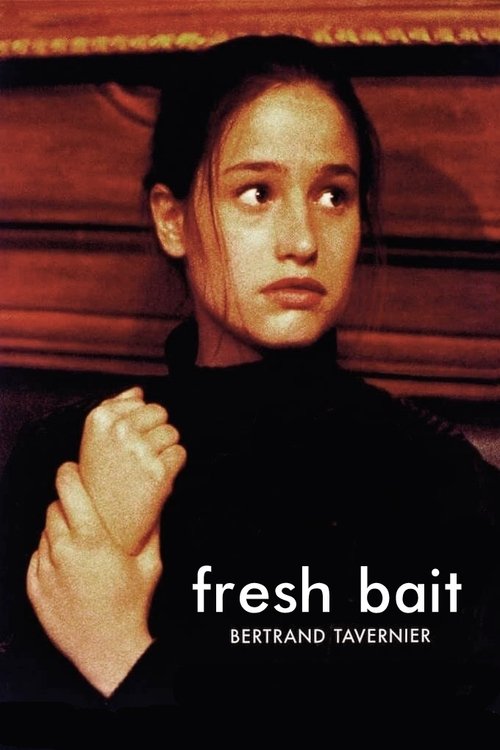 The Bait (1995)
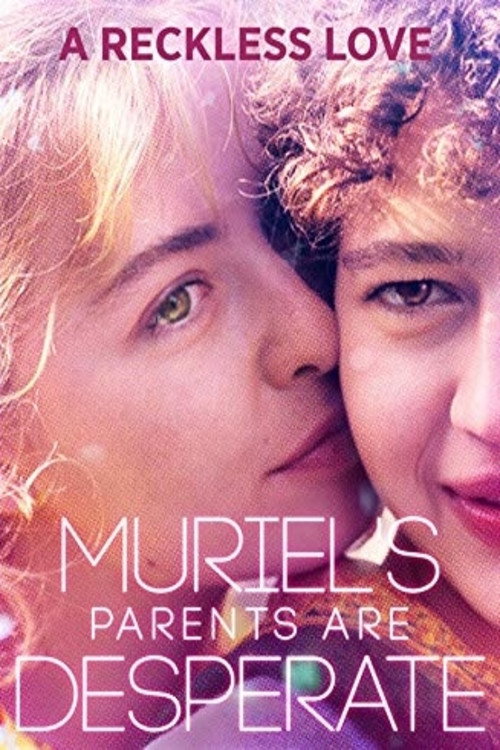 Muriel's Parents Have Had It Up to Here (1995)
 Les Anges gardiens (1995)
 Butterfly Kiss (1995)
 Le roi de Paris (1995)
- More like this film, on a shelf you can walk up to.It's the lit case on the top shelf.