Bontoc Eulogy (1995)

- Directed by
- Marlon Fuentes, Bridget Yearian
- Genre
- documentary
- Country
- Philippines, United States
- Runtime
- 56 min
- Rating
- 10.0 of 10 from 1 voters
- Elsewhere
- IMDb
The catalogue in 3D
The film shelves have a room of their own that you can walk around in. The cat behind the counter is the AI Catbot, and they pick real films from the same catalogue when you tell them what you feel like watching. Nothing is for sale, here or in there. Go in from here and this film is already out on the counter, with more like it waiting on the shelf next to it.
How it feels
A filmmaker explores his own conflicted feelings about his heritage. He recounts the story of his grandfather's journey to the St. Louis World's Fair. The film blends personal narrative with Filipino history.
introspectivereflectivepersonalcontemplativeexperimentalmelancholichistoricalthought-provoking
What happens
Bontoc Eulogy is a 1995 docudrama directed by Marlon Fuentes and distributed by the Corporation for Public Broadcasting. It was produced, written, directed, edited by, and stars Marlon Fuentes in the main role of a screen narrator going through an excruciating internal conflict regarding his heritage and following his thoughts as he recounts his grandfather's journey to the St. Louis World's Fair. It is the fifth film produced by Marlon Fuentes, following Arm in 1994. Despite a limited audience view worldwide, this experimental documentary offered a deep and critical insight into Filipino history, and is considered a pioneering work in autoethnography. As a photographer, filmmaker, and conceptual artist, Marlon Fuentes' work has been shown in over 60 separate exhibitions in the past 20+ years alone and has been represented in collections such as Smithsonian Institution’s National Museum of American Art, the National Museum of American History, the Houston Museum of Fine Arts, the Library of Congress, the Corcoran Gallery of Art, and the Santa Barbara Museum of Art. Furthermore, his work has been nominated for the International Documentary Association’s Distinguished Achievement Award and has received many awards from the international community. Controversy surrounds the film even decades after its release. Some questioned the film for making audiences believe that this seemingly personal account was "real," because the piece combined fictional and factual content as a seamless historically based personal narrative. However, it can be soundly argued that the film's meaning would have been altered had this cinematic device been revealed in the beginning. Some critics have argued that the declaration of its fictional conceit via the film credits is actually the meta-denouement of the film, part of the multiple layers of interrogation conducted by the filmmaker/narrator in trying to ascertain the relationship between form and narrative. The location of the filmmaker (as "narrator") within the commingled streams of fiction and historical facts raises critical questions about the porosity of diegetic, extra-diegetic, and non-diegetic space in cinematic representations of culture and identity formation/s. The film balances its multi-layered critical objectives and formal devices without sacrificing accessibility to an audience. As an experimental, post-ethnographic film that uses/extends (albeit in stealth) the devices of structuralist/materialist cinematic conventions, the film still passes the test of "eminent watchability" despite its rigorous art-historical/theoretical agendas and lineage. (from Wikipedia, CC BY-SA)
More like this
 Papapapá (1995)
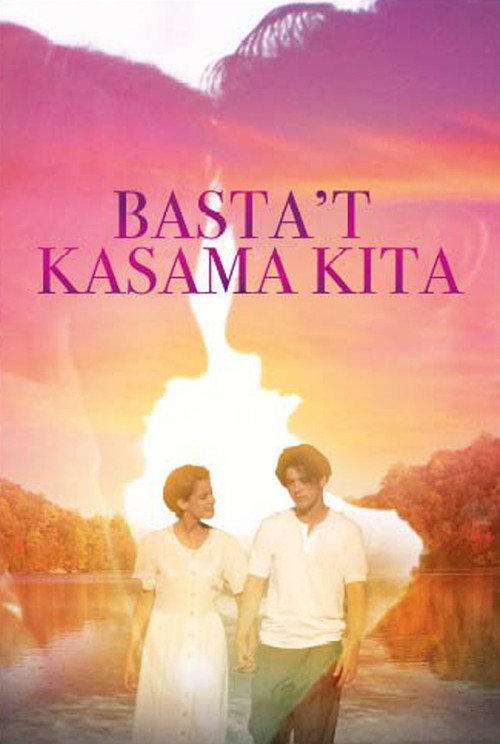 Basta't Kasama Kita (1995)
 Sana Maulit Muli (1995)
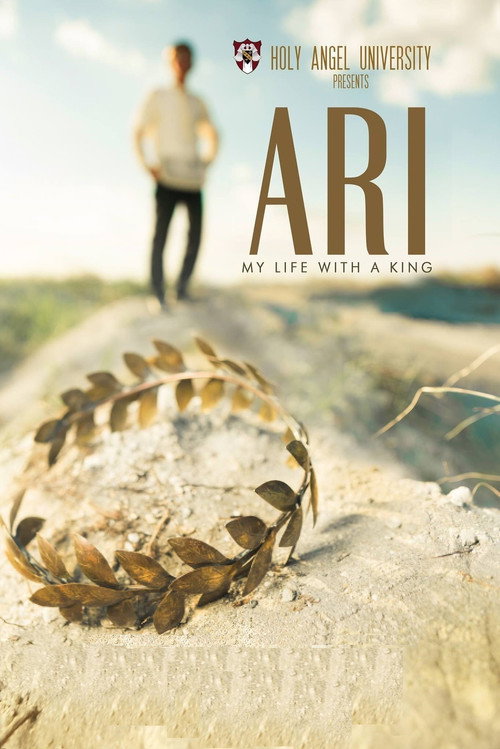 Ari: My Life with a King (2015)
 The Final Stage (1995)
 Balikbayan #1 Memories of Overdevelopment Redux III (2015)
 Closer to Home (1995)
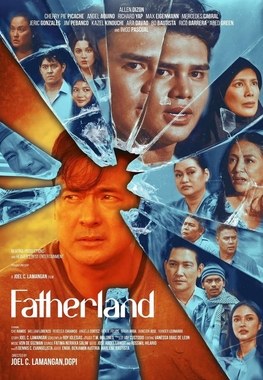 Fatherland
- More like this film, on a shelf you can walk up to.It's the lit case on the top shelf.