Cure (1997)

- Original title
- キュア
- Directed by
- Kiyoshi Kurosawa
- Genre
- horror film, psychological horror fiction
- Country
- Japan
- Runtime
- 1h 47m
- Rated
- NR
- Rating
- 7.5 of 10 from 818 voters
- Elsewhere
- IMDb
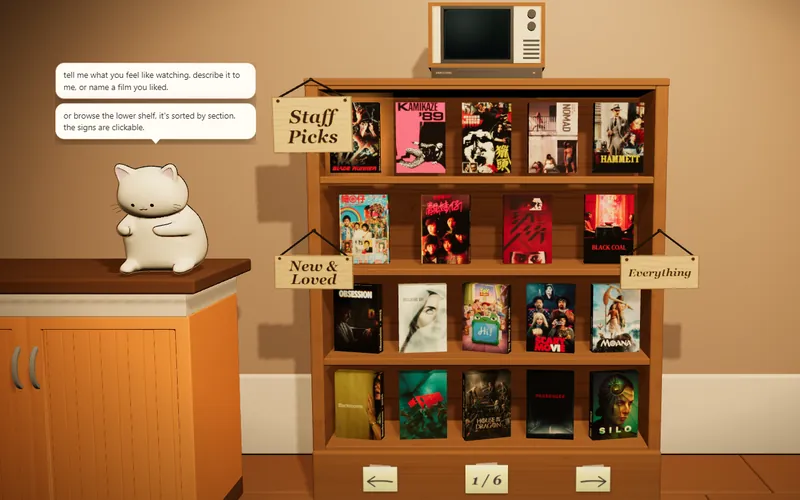
The catalogue in 3D
The film shelves have a room of their own that you can walk around in. The cat behind the counter is the AI Catbot, and they pick real films from the same catalogue when you tell them what you feel like watching. Nothing is for sale, here or in there. Go in from here and this film is already out on the counter, with more like it waiting on the shelf next to it.
How it feels
A detective investigates a series of murders where each killer confesses but has no clear motive. The trail leads to a mysterious amnesiac young man who may be connected to all the crimes.
tenseunsettlingslow-burnbleakcerebralmysteriouseeriepsychologicaldeliberate
What happens
Cure (キュア, Kyua) is a 1997 Japanese psychological horror film written and directed by Kiyoshi Kurosawa. Starring Kōji Yakusho and Masato Hagiwara, it follows a detective investigating a series of murders whose perpetrators all confess under strange circumstances, seemingly being driven to kill by an unknown force. As the story develops, the police realise all the murderers are in contact with a mysterious young man, who appears to have extreme memory loss. The film received positive reviews from critics and has been described in later commentary as influential on the late-1990s wave of Japanese horror cinema. Originally entitled Evangelist (伝道師, Dendoushi), the film's name was changed due to the Tokyo subway sarin attack perpetrated by Aum Shinrikyo that happened while the film was in production. To avoid suggesting a religious cult connection to the crimes in the story, it was retitled Cure at the suggestion of a Daiei Film producer. The film premiered at the Tokyo International Film Festival on 6 November 1997, and released in Japan by Shochiku-Fuji Company on 27 December. It received widespread positive reviews from critics, and is considered a progenitor of the explosion of Japanese horror media in the late 1990s and early 2000s, preceding other releases like Hideo Nakata's Ring and Takashi Shimizu's Ju-On. (from Wikipedia, CC BY-SA)
More like this
 Cure (1997)
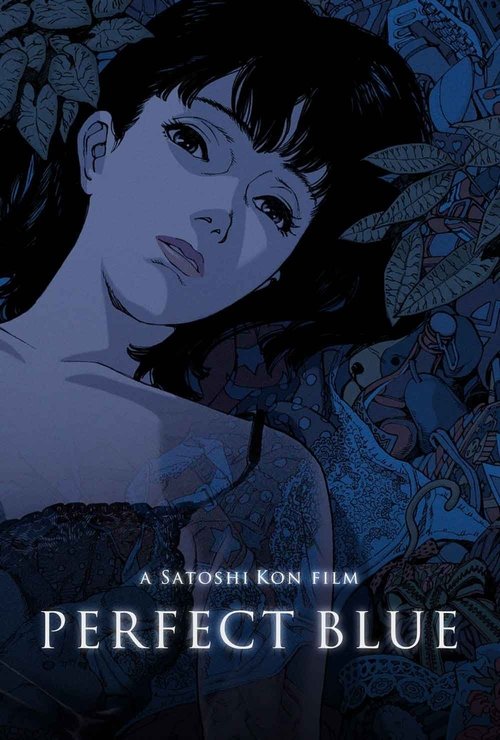 Perfect Blue (1997)
 Abduction (1997)
 Hana-bi (1997)
 Shizuka na ayashii gogo ni (1997)
 Shanghai Mermaid Legend Murder Case (1997)
 EM Embalming (1999)
 A Doll in the Dark (1997)
- More like this film, on a shelf you can walk up to.It's the lit case on the top shelf.