Boys Don't Cry (1999)

- Directed by
- Kimberly Peirce
- Genre
- drama film, docudrama, biographical film, romance film, LGBTQ-related film, transgender film
- Country
- United States
- Runtime
- 1h 58m
- Rated
- R
- Rating
- 7.4 of 10 from 1,479 voters
- Elsewhere
- IMDb
The catalogue in 3D
The film shelves have a room of their own that you can walk around in. The cat behind the counter is the AI Catbot, and they pick real films from the same catalogue when you tell them what you feel like watching. Nothing is for sale, here or in there. Go in from here and this film is already out on the counter, with more like it waiting on the shelf next to it.
How it feels
A young trans man named Brandon Teena moves to a small Nebraska town and starts a romantic relationship with a local woman named Lana. After his identity is discovered, two acquaintances brutally attack him.
harrowingintimatetensesadrawunflinchingtenderdisturbingmelancholic
What happens
Boys Don't Cry is a 1999 American biographical drama film directed by Kimberly Peirce, and co-written by Peirce and Andy Bienen. The film is a dramatization of the real-life story of Brandon Teena (played by Hilary Swank), an American trans man who attempts to find himself and love in Nebraska but falls victim to a brutal hate crime perpetrated by two male acquaintances. The film co-stars Chloë Sevigny as Brandon's girlfriend, Lana Tisdel. After reading about the case while in college, Peirce conducted extensive research for a screenplay, which she worked on for almost five years. The film focuses on the relationship between Brandon and Lana. The script took dialogue directly from archive footage in the 1998 documentary The Brandon Teena Story. Many actresses sought the lead role during a three-year casting process before Swank was cast. Swank was chosen because her personality seemed similar to Brandon's. Most of the film's characters were based on real-life people; others were composites. Filming occurred during October and November 1998 in the Dallas, Texas area. The producers initially wanted to film in Falls City, Nebraska, where the real-life events had taken place; however, budget constraints meant that principal photography had to occur in Texas. The film's cinematography uses dim and artificial lighting throughout and was influenced by a variety of styles, including neorealism and the films of Martin Scorsese, while the soundtrack consisted primarily of country, blues, and rock music. The film's themes include the nature of romantic and platonic relationships, the causes of violence against LGBTQ people, especially transgender people, and the relationship among social class, race, and gender. The film premiered at the New York Film Festival on October 8, 1999, before appearing at various other film festivals. Distributed by Fox Searchlight Pictures, the film received a limited release in the United States on October 22, 1999, and it performed well at the North American box office, gaining three times its production budget by May 2000. The film was acclaimed by critics, with many ranking it as one of the best films of the year; praise focused on the lead performances by Swank and Sevigny as well as the film's depiction of its subject matter. However, some people who had been involved with Brandon in real life criticized the film for not portraying the events accurately. Boys Don't Cry was nominated for multiple awards; at the 72nd Academy Awards in 2000, Swank was awarded the Academy Award for Best Actress and Sevigny was nominated for Best Supporting Actress. The pair were also nominated at the 57th Golden Globe Awards, with Swank winning the Best Actress – Drama award. Boys Don't Cry, which dealt with controversial issues, was initially assigned an NC-17 rating but was later reclassified to an R rating. It was released on home video in September 2000. In 2019, the film was selected for preservation in the United States National Film Registry by the Library of Congress as being "culturally, historically, or aesthetically significant." (from Wikipedia, CC BY-SA)
More like this
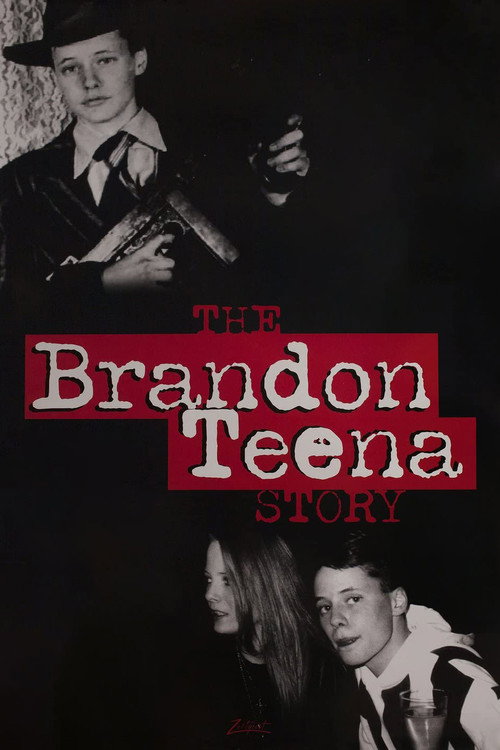 The Brandon Teena Story (1998)
 American Beauty (1999)
 All About My Mother (1999)
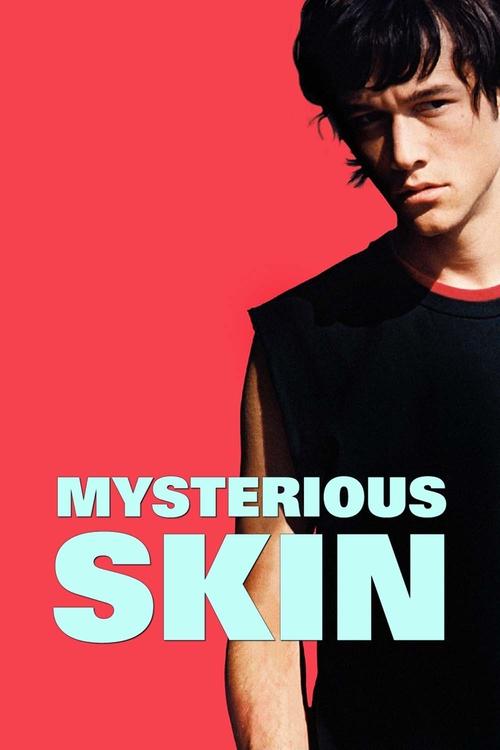 Mysterious Skin (2004)
 Love, Simon (2018)
 But I'm a Cheerleader (1999)
 Take Me to the River (2015)
 Soldier's Girl (2003)
- More like this film, on a shelf you can walk up to.It's the lit case on the top shelf.