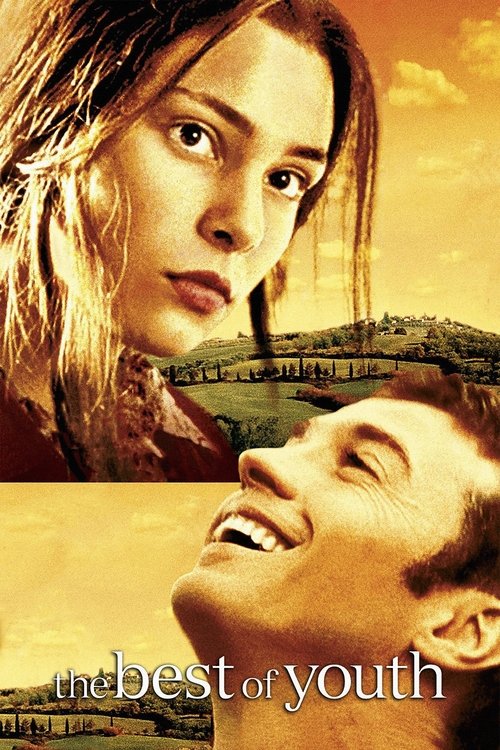
The Best of Youth (2003)
- Original title
- La meglio gioventù
- Directed by
- Marco Tullio Giordana
- Genre
- drama film, melodrama
- Country
- Italy
- Runtime
- 6h 06m
- Rated
- R
- Rating
- 8.0 of 10 from 609 voters
- Elsewhere
- IMDb

The catalogue in 3D
The film shelves have a room of their own that you can walk around in. The cat behind the counter is the AI Catbot, and they pick real films from the same catalogue when you tell them what you feel like watching. Nothing is for sale, here or in there. Go in from here and this film is already out on the counter, with more like it waiting on the shelf next to it.
How it feels
The film follows two brothers from a middle-class Italian family over nearly four decades. It shows how their life choices and the political turmoil around them shape their separate paths.
epicbittersweetintimatesprawlingemotionalslow-burnreflectivenostalgic
What happens
The Best Of Youth (Italian: La Meglio Gioventù) is a 2003 Italian epic drama film directed by Marco Tullio Giordana and written by Sandro Petraglia and Stefano Rulli. A family saga set in Italy from 1966 through 2003, it chronicles the life of the middle-class Carati family, focusing primarily on brothers Matteo (Alessio Boni) and Nicola (Luigi Lo Cascio) as their life paths separate during youth, encompassing major political and social events in post–World War II Italian history. Originally conceived as a Rai television miniseries, it premiered at the 2003 Cannes Film Festival, where it won the Prize Un Certain Regard. It was then given a theatrical release in Italy as two 3-hour films (titled Act I and Act II), before being aired with broader success on Rai 1 in a slightly longer four-episode television version later that year. In the U.S., the film was released by Miramax in its theatrical version. The title of the film, an ungrammatical rendition of La Miglior Gioventù ("The Best Youth/Young People"), comes from the title of a 1954 Friulian language poetry collection by Pier Paolo Pasolini, who in turn borrowed it from a line of Alpini World War II song Sul Ponte Di Perati; here, Giordana uses it to refer to his generation, which is also the main characters' one, made up of those young people who participated in the Sessantotto. (from Wikipedia, CC BY-SA)
More like this
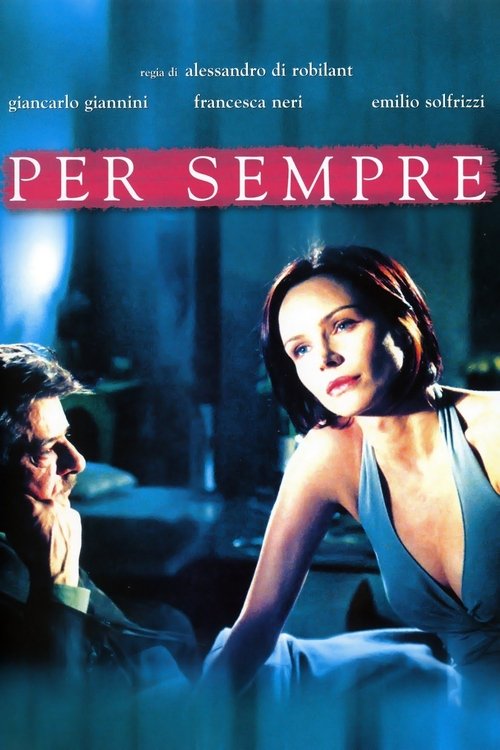 Forever (2003)
 Life as It Comes (2003)
 I salmoni del San Lorenzo (2003)
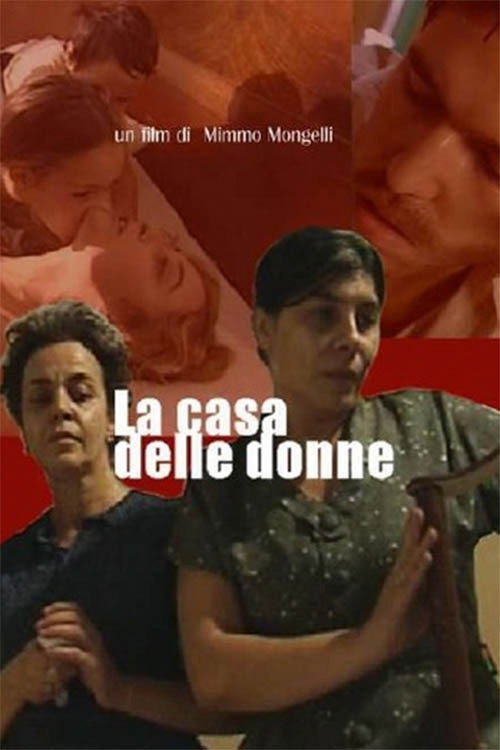 The House of Women (2003)
 Pater Familias (2003)
 At the End of the Night (2003)
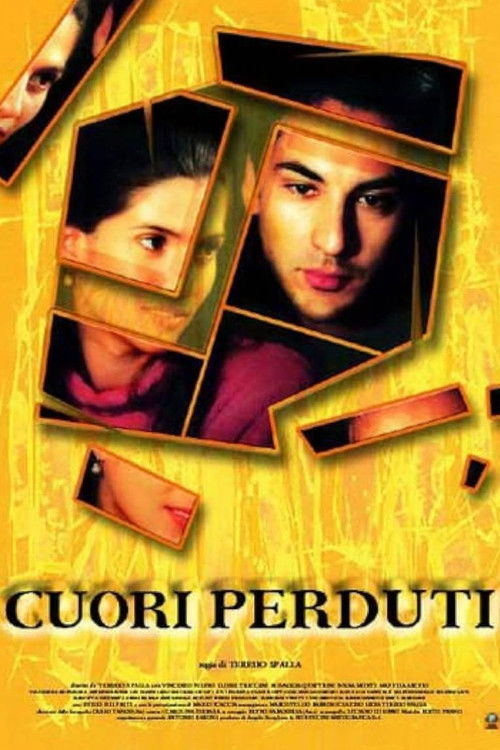 Cuori perduti (2003)
 Prendimi e portami via (2003)
- More like this film, on a shelf you can walk up to.It's the lit case on the top shelf.