Genghis Khan (2005)

- Directed by
- Edward Bazalgette
- Genre
- documentary film, documentary television film
- Country
- United Kingdom
- Runtime
- 58 min
- Rated
- 12
- Rating
- 6.9 of 10 from 15 voters
- Elsewhere
- IMDb

The catalogue in 3D
The film shelves have a room of their own that you can walk around in. The cat behind the counter is the AI Catbot, and they pick real films from the same catalogue when you tell them what you feel like watching. Nothing is for sale, here or in there. Go in from here and this film is already out on the counter, with more like it waiting on the shelf next to it.
How it feels
This documentary follows the life of the 13th-century Mongol warlord Genghis Khan. It aims to challenge his negative reputation by showing him as a leader who ended tribal conflicts. The film includes battle scenes made with CGI techniques similar to The Lord of the Rings.
historicalinformativerevealingbiographicalepicvisually detailedthoughtful
What happens
Genghis Khan is a 2005 BBC documentary co-produced with Discovery Channel UK detailing the life of the 13th-century Mongol warlord Genghis Khan. It starred Orgil Makhaan as Genghis Khan, voiced by Kenneth Cranham. It was directed by Edward Bazalgette. It was narrated by Alisdair Simpson. It was shot entirely on location in Mongolia with a Mongolian cast. Battle scenes were recreated using the same CGI techniques as The Lord of the Rings trilogy. The documentary sets out to redress what it sees as the unwarranted negative reputation of the Mongol leader. The film portrays him as a benevolant leader who put a stop to internecine tribal warfare. Although the film does portray the brutality of the Mongol conquests, Joe Joseph in The Times writes that it sometimes oversold itself. In 2015, China deported twenty foreigners (British, South African, and Indian) for watching the film in their hotel in Inner Mongolia. The Chinese authorities claimed the film promoted terrorism and religious extremism. China is hostile to separatist groups or those campaigning for more rights for ethnic Mongols. (from Wikipedia, CC BY-SA)
More like this
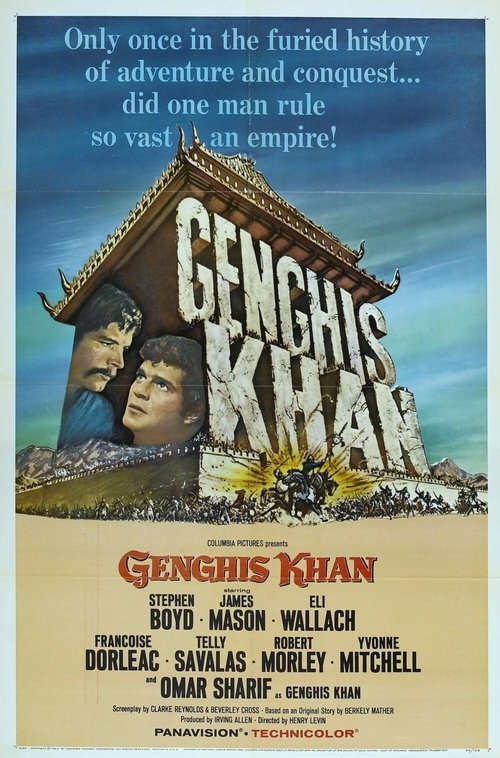 Genghis Khan (1965)
 Genghis Khan (1950)
 Zbuntowany mnich (2005)
 How Art Made the World (2005)
 Becoming Alexander (2005)
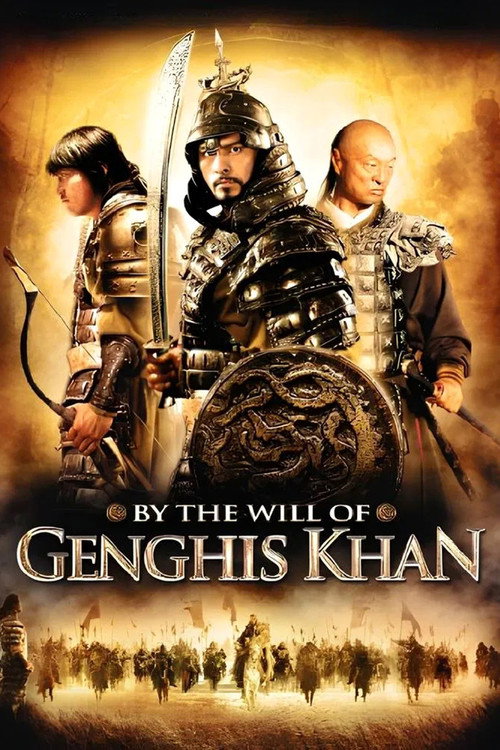 Taina Chingis Khaana (2009)
 Genghis Khan: To the Ends of the Earth and Sea (2007)
 Drakar - en sann saga (2005)
- More like this film, on a shelf you can walk up to.It's the lit case on the top shelf.