Memoirs of a Geisha (2005)
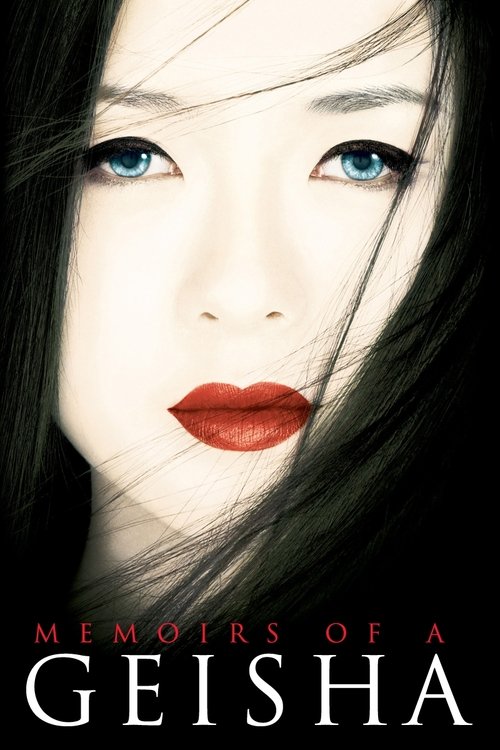
- Directed by
- Rob Marshall
- Genre
- drama film, romance film
- Country
- United States
- Runtime
- 2h 25m
- Rated
- PG-13
- Rating
- 7.6 of 10 from 3,418 voters
- Elsewhere
- IMDb

The catalogue in 3D
The film shelves have a room of their own that you can walk around in. The cat behind the counter is the AI Catbot, and they pick real films from the same catalogue when you tell them what you feel like watching. Nothing is for sale, here or in there. Go in from here and this film is already out on the counter, with more like it waiting on the shelf next to it.
How it feels
A young girl from a poor family is sold into a geisha house where she trains to become a geisha before World War II. The story follows her life of sacrifice and discipline in a changing world.
melancholicvisually lushslow-burndramaticintimatepoignantelegantatmospheric
What happens
Memoirs of a Geisha, released in Japan as Sayuri, is a 2005 American epic period drama film directed by Rob Marshall and adapted by Robin Swicord from the 1997 novel of the same name by Arthur Golden. It tells the story of a young Japanese girl, Chiyo Sakamoto, who is sold by her impoverished family to a geisha house (okiya) to support them by training as and eventually becoming a geisha under the pseudonym "Sayuri Nitta". The film centers around the sacrifices and hardship faced by pre-World War II geisha, and the challenges posed to geisha society by the war and a modernizing world. It stars Zhang Ziyi in the lead role, with Michelle Yeoh, Gong Li, Youki Kudoh, Suzuka Ohgo, Samantha Futerman and Ken Watanabe. The film was produced by Steven Spielberg (through production companies Amblin Entertainment and DreamWorks Pictures) and Douglas Wick (through Red Wagon Entertainment). Production was split between southern and northern California and a number of locations in Kyoto, including the Kiyomizu temple and the Fushimi Inari shrine. It was released as a limited release in the United States on December 9, 2005, and a wide release on December 23, 2005, by Sony Pictures Releasing (through Columbia Pictures). The film was moderately successful at the box office and garnered polarized reviews from critics worldwide. The acting, visuals, sets, costumes, and musical score (composed by Spielberg's long-time collaborator John Williams) were praised, but the film was criticized for casting some non-Japanese actresses as Japanese women and for its style over substance approach. It was also nominated for and won numerous awards, including nominations for six Academy Awards, and eventually won three: Best Cinematography, Best Art Direction and Best Costume Design. Zhang was also nominated for the Golden Globe Award, Screen Actors Guild Award, and the BAFTA Award for Best Actress. (from Wikipedia, CC BY-SA)
More like this
 The Geisha House (1999)
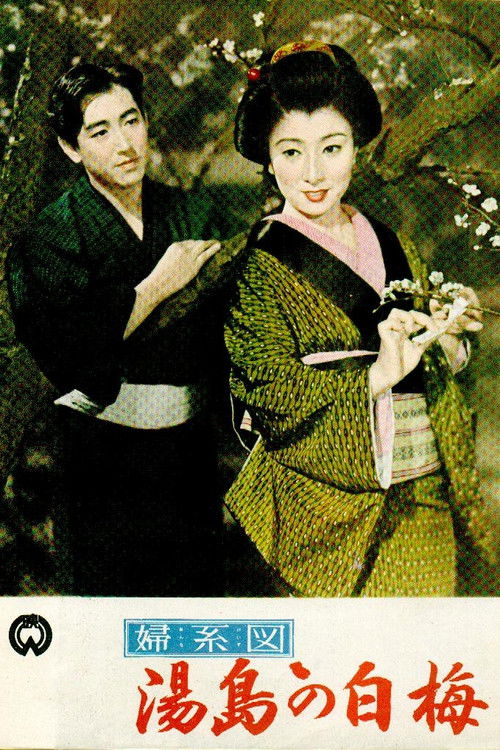 The Romance of Yushima (1955)
 The Samurai I Loved (2005)
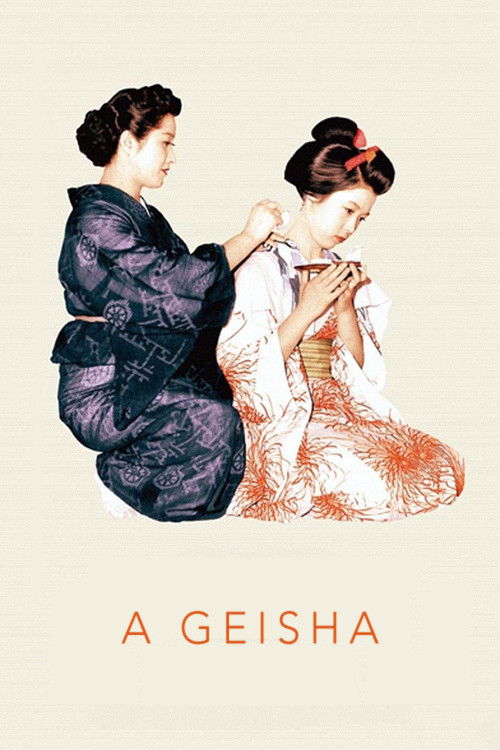 A Geisha (1953)
 The Geisha (1983)
 Flowing (1956)
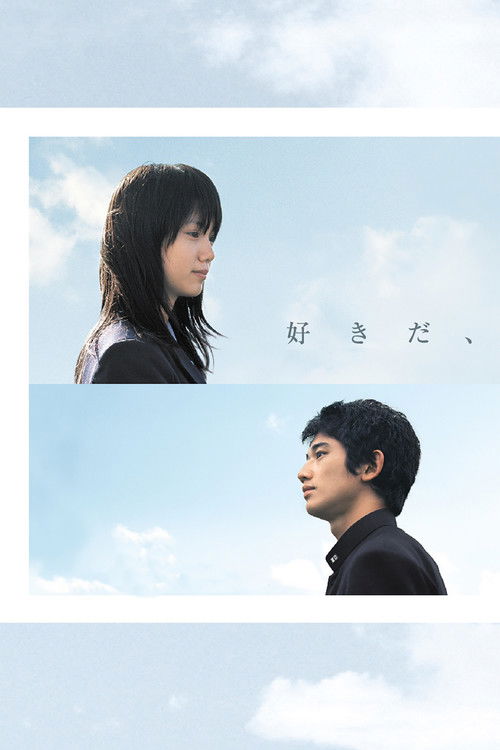 Su-ki-da (2005)
 Tomorrow Will Become Better!: Half a Sweet Potato (2005)
- More like this film, on a shelf you can walk up to.It's the lit case on the top shelf.