Azur & Asmar: The Princes' Quest (2006)

- Original title
- Azur et Asmar
- Directed by
- Michel Ocelot
- Genre
- fantasy film, adventure film, children's film
- Country
- France, Italy, Belgium, Spain
- Runtime
- 1h 39m
- Rated
- L
- Rating
- 7.7 of 10 from 669 voters
- Elsewhere
- IMDb
The catalogue in 3D
The film shelves have a room of their own that you can walk around in. The cat behind the counter is the AI Catbot, and they pick real films from the same catalogue when you tell them what you feel like watching. Nothing is for sale, here or in there. Go in from here and this film is already out on the counter, with more like it waiting on the shelf next to it.
How it feels
Two boys raised as brothers are separated and later embark on quests to rescue a fairy princess. One journey follows Azur across the sea, while the other follows Asmar through treacherous terrain.
whimsicaladventurousvisually stunningupliftingwarmfairy-tale-likeexotichopeful
What happens
Azur & Asmar: The Princes' Quest (French: Azur et Asmar) is a 2006 animated fairytale fantasy film written and directed by Michel Ocelot and animated at the Paris animation and visual effects studio Mac Guff Ligne. It was released in theaters in North America as just Azur & Asmar. An international co-production between France, Belgium, Italy and Spain, it is Ocelot's fourth feature, though his first wholly original creation since Kirikou and the Sorceress, and his first use of 3D computer graphics, albeit an atypical employment of this medium with two-dimensional, painted backgrounds and non-photorealistic rendering. Like most of his films, it is an original fairy tale, in this case, inspired by the folklore (such as the One Thousand and One Nights) and decorative art of Maghreb, Algeria and Morocco and with an increased degree of characterisation relative to his previous works which push it into the genre of fairytale fantasy. The original-language version of the film has significant amounts of dialogue in both French and Arabic; however, the Arabic was not subtitled in the original French theatrical release and is not intended to be subtitled nor replaced for any other audiences. (from Wikipedia, CC BY-SA)
More like this
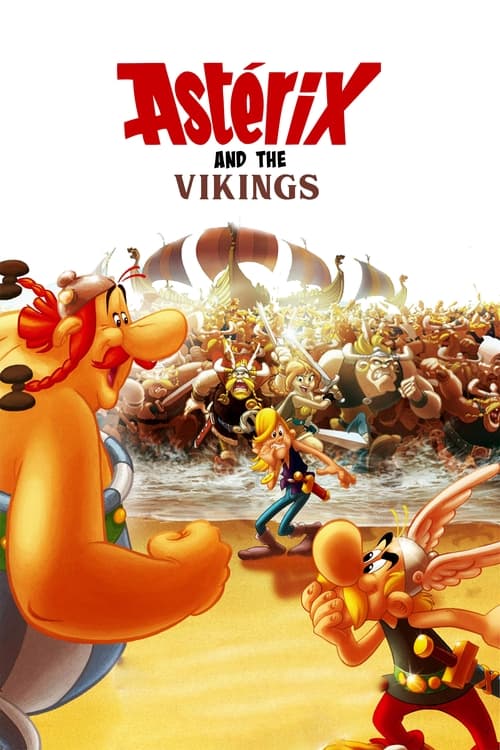 Asterix and the Vikings (2006)
 The Secret of Kells (2009)
 Arthur and the Minimoys (2006)
 Winx Club: The Secret of the Lost Kingdom (2007)
 The Magic Flute (2006)
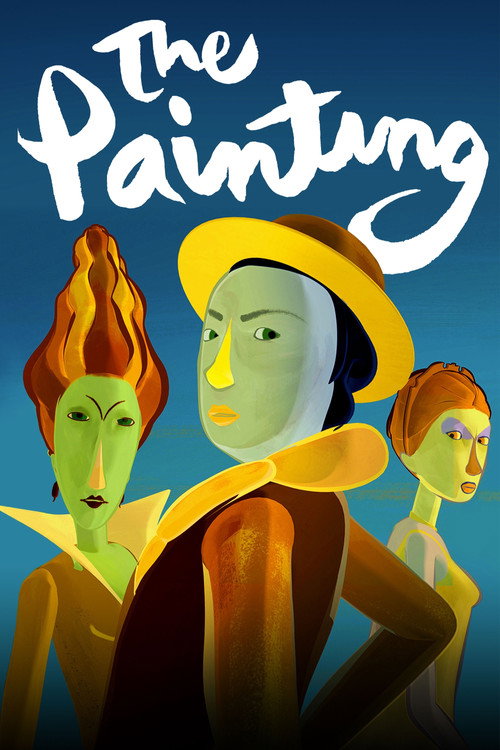 The Painting (2011)
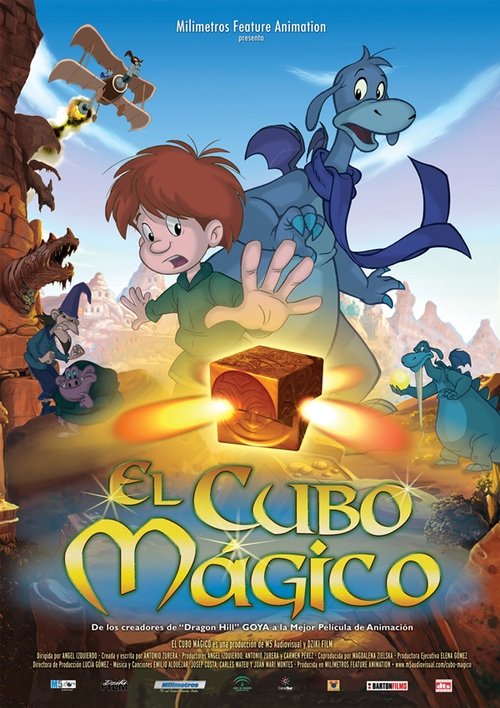 Cubo mágico (2006)
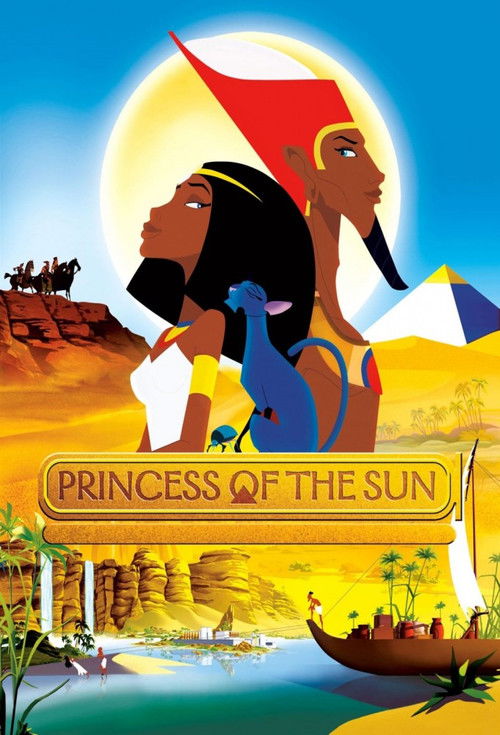 Princess of the Sun (2007)
- More like this film, on a shelf you can walk up to.It's the lit case on the top shelf.