Budak Kelantan (2008)

- Directed by
- Wan Azli
- Genre
- drama
- Country
- Malaysia
- Runtime
- 1h 40m
- Rated
- NC-17
- Elsewhere
- IMDb
The catalogue in 3D
The film shelves have a room of their own that you can walk around in. The cat behind the counter is the AI Catbot, and they pick real films from the same catalogue when you tell them what you feel like watching. Nothing is for sale, here or in there. Go in from here and this film is already out on the counter, with more like it waiting on the shelf next to it.
How it feels
Two friends from rural Kelantan reunite in 1990s Kuala Lumpur where they now live very different lives. The movie shows how their hometown background and new city surroundings shape their experiences.
nostalgicmelancholicdown-to-earthbittersweetobservationalgroundedlivelyreflective
What happens
Budak Kelantan (English: Kelantan Boy) is a 2008 Malaysian Malay-language drama film that captures the cultural relativism of Malaysians on Kelantanese migrant since urbanization of Kuala Lumpur. The main theme is a dramatization of a group of Kelantanese adults in their early 20s whom relocated to Kuala Lumpur, sets in 1990s, between the life of 2 long-lost friends from rural areas of Kelantan whom now are living in Kuala Lumpur and currently stand in difference social status. Some of the movie scenes were filmed strategically in one of many popular hangouts spot in Kuala Lumpur for both local and foreigners in 1990s, which are Central Market, Kotaraya Complex, Pertama Complex Archived 8 June 2023 at the Wayback Machine and defunct Klang Bus Stands which are now less favored beginning the year of 2000 after a successful crowd-puller establishment of many newly opened shopping malls and tourist destination which mainly concentrated in other part of Kuala Lumpur including Bukit Bintang, Bangsar and Jalan Ampang. As Kelantan is the only longest ruling Muslim conservative state in Malaysia by Malaysian Islamic political party PAS, the film direction is considered 'brave' as it is so far the only local film that touches most notable taboo subjects regarding runaway teenage girls, gang-rape, procuring, substance abuse and religious infidelity, stereotypically portrayed as committed by Kelantanese adults. Despite the provoked film background from local Malaysian perspective, it offers a variety of morally complex, gripping and unsettling, flawless domestic portrait that its director aims to leave the questions and dilemmas for viewers with open-ended, according to his interview. The film's subplot also portrays similar gangsterism issues among majority of young Kelantanese adolescents men in Kuala Lumpur in 1990s, but narrated from different perspective with its sole attempt is to determine issues related to socioeconomic that is contributing towards rural to urban migration and its consequences to behavioral and emotional issues among migrant adolescents. The two main character, Buchek and Jaha, the former being protagonist and the latter being antagonist, besides their main roles as the movie plot thickens, use both active and narrative monologue in alternate since the beginning of the movie to further refined the storytelling direction. Mixed views were given by some of local blogs and local entertainment portal, especially the exaggerated rape scene but the film was highly praised by internationally claimed local film director, the late Yasmin Ahmad on her blog with quotes "Suffice to say that we left Mid-Valley feeling very happy and hopeful about the future of Malaysian cinema." 'A film that explores truthfulness' and 'realism plight', as commented by Fadli Al-Akiti, local film critics blogger, TontonFilem and author of a book with same title. The ending part however left some critics questioned one of the subplot that leads directly to it thus weakened the strong existing plot of the entire movies. The film also received critical response regarding its violence and graphic language with attempts to brings realism and neo-noir. Despite its unique approach for its relevance to the dark side of Malaysia, most local bloggers from Malaysian agrees that the film may be considered as an important cultural icon, inspiring, and regards it as one of the few Malaysian films that have different concepts of realism, gangsterism, drama and interesting narrative story, which differs from most Malaysian films before the release date of this movie. The film joins a few of other Malaysian films that gets applauded including Jogho (1997), Wayang (2008) and internationally acclaimed Bunohan (2011) which use full-length Kelantanese dialect. (from Wikipedia, CC BY-SA)
More like this
 Kami (2008)
 Filem Goodbye Boys
 Jangan Tinggal Daku (1971)
 I'm Not Single (2008)
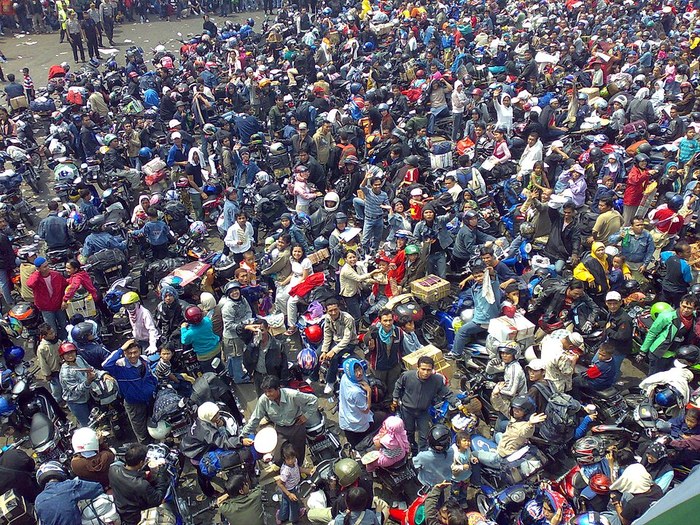 Balik Kampung
 A Note of Love (2007)
 In My Heart (2020)
 Muallaf (2008)
- More like this film, on a shelf you can walk up to.It's the lit case on the top shelf.