Filth: The Mary Whitehouse Story (2008)

- Directed by
- Andy De Emmony
- Genre
- docudrama
- Country
- United Kingdom
- Runtime
- 1h 30m
- Rating
- 6.3 of 10 from 3 voters
- Elsewhere
- IMDb
The catalogue in 3D
The film shelves have a room of their own that you can walk around in. The cat behind the counter is the AI Catbot, and they pick real films from the same catalogue when you tell them what you feel like watching. Nothing is for sale, here or in there. Go in from here and this film is already out on the counter, with more like it waiting on the shelf next to it.
How it feels
In 1960s Britain, campaigning moralist Mary Whitehouse starts a fight against what she sees as declining standards on television. She clashes with the BBC's director-general who represents the liberal changes of the time. The film shows her early efforts and the resulting arguments about public morality.
dramatizedperiodconflict-driventhoughtfulfocusedrestrainedfact-basedconversational
What happens
Filth: The Mary Whitehouse Story is a 2008 British BBC Television drama written by Amanda Coe. Set in the 1960s, it recounts the initial campaigning activities of the British morality campaigner Mary Whitehouse. Julie Walters plays the part of Whitehouse, Alun Armstrong her husband Ernest, and Hugh Bonneville plays Sir Hugh Greene, the Director-General of the BBC, who is taken as embodying the liberalizing forces of the "permissive society" against which Whitehouse campaigned. It was broadcast on 28 May 2008 on BBC Two, aired in the United States on 16 November 2008 as part of the Masterpiece series on PBS and was aired in Australia on 31 May 2009 on ABC1. The script drew heavily on the Max Caulfield biography Mary Whitehouse (1976) and featured a degree of dramatic licence. For example, Whitehouse and others supposedly called their nascent group "Clean Up National TV" until her husband pointed out the unfortunate acronym - they then changed it to "Clean Up TV." Among the many reviews published in the press were two contrasting examples in The Scotsman and The Sunday Times. (from Wikipedia, CC BY-SA)
More like this
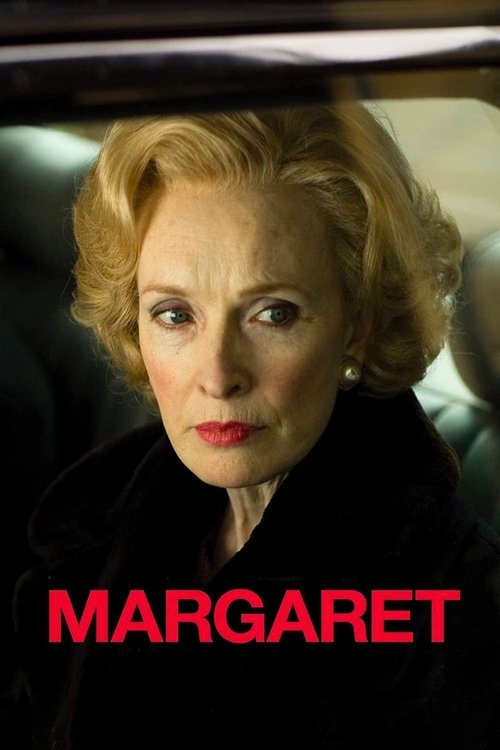 Margaret (2009)
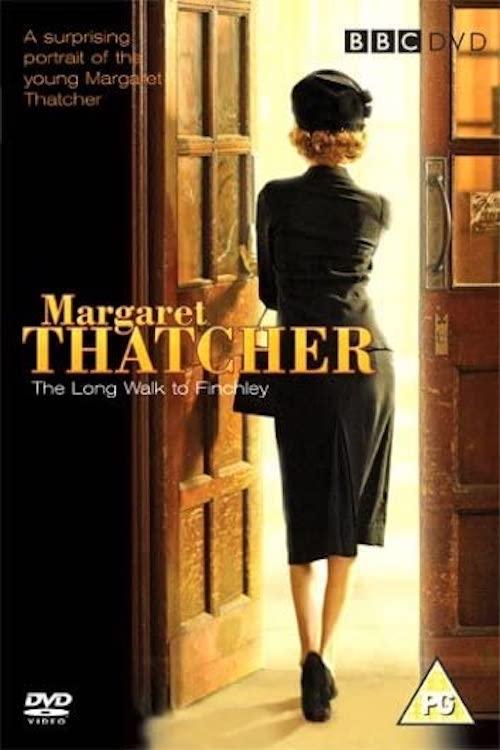 The Long Walk to Finchley (2008)
 The Other Boleyn Girl (2008)
 Frost/Nixon (2008)
 Burn Up (2008)
 Tony Robinson's Crime and Punishment (2008)
 Shoulder to Shoulder (1974)
 On Expenses (2010)
- More like this film, on a shelf you can walk up to.It's the lit case on the top shelf.