Burning Down the House: The Story of CBGB (2009)
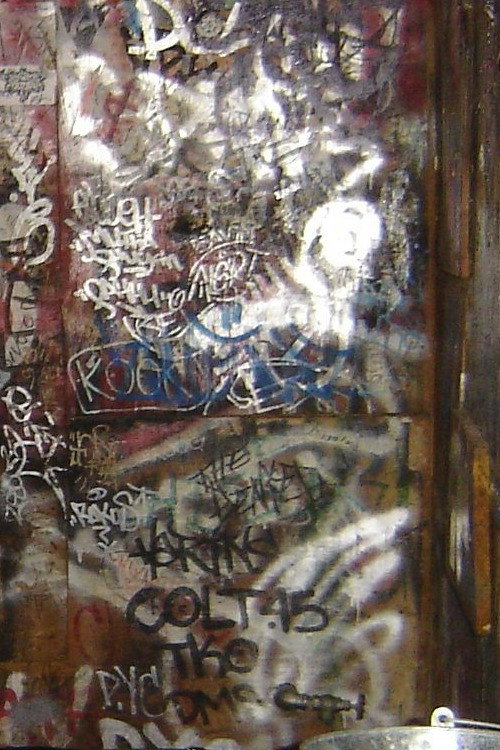
- Directed by
- Mandy Stein
- Genre
- documentary, music
- Country
- United States
- Runtime
- 1h 30m
- Rating
- 8.0 of 10 from 1 voters
- Elsewhere
- IMDb
The catalogue in 3D
The film shelves have a room of their own that you can walk around in. The cat behind the counter is the AI Catbot, and they pick real films from the same catalogue when you tell them what you feel like watching. Nothing is for sale, here or in there. Go in from here and this film is already out on the counter, with more like it waiting on the shelf next to it.
How it feels
This documentary tells the story of CBGB, the New York City club that started as a country and blues bar but became the birthplace of punk rock. It covers the rise of famous bands like the Ramones and Blondie, and how the venue shaped American music culture.
nostalgicenergeticrawhistoricrebelliousgrittyfast-paced
What happens
CBGB was a New York City music club opened in 1973 by Hilly Kristal and his ex-wife Karen Kristal at 315 Bowery in the East Village in Manhattan, New York City. The club was previously a biker bar and before that it was a dive bar. The letters CBGB were for Country, Bluegrass, Blues, Kristal's original vision for the club, but CBGB soon emerged as a famed and iconic venue for punk rock and new wave bands, including Ramones, Dead Boys, Television, Richard Hell and the Voidoids, Patti Smith Group, Blondie, and Talking Heads. The club has been identified in academic scholarship as a linchpin of early American punk culture. Histories of punk have positioned CBGB as the venue at which the genre took root in New York before its transatlantic spread to the United Kingdom. Other bands affiliated with CBGB included Agnostic Front, Murphy's Law, U.S. Chaos, Cro-Mags, Warzone, Gorilla Biscuits, Sick of It All, and Youth of Today. One storefront beside CBGB became the "CBGB Record Canteen", a record shop and café. In the late 1980s, "CBGB Record Canteen" was converted into an art gallery and second performance space, "CB's 313 Gallery". CB's Gallery was played by music artists of milder sounds, such as acoustic rock, folk, jazz, or experimental music, such as Dadadah, Kristeen Young, Medeski Martin & Wood and Toshi Reagon, while CBGB continued to showcase mainly hardcore punk, post punk, metal, and alternative rock. 313 Gallery was also the host location for Alchemy, a weekly Goth night showcasing goth, industrial, dark rock, and darkwave bands. On the other side, CBGB was operating a small cafe and bar in the mid-1990s, which served classic New York pizza, among other items. Around 2000, CBGB entered a protracted dispute over allegedly unpaid rent amounts until the landlord, Bowery Residents' Committee, sued in 2005 and lost the case. Kristal and the BRC reached an agreement whereby CBGB would leave by October 31, 2006. On October 15, 2006, the club closed with a performance by Patti Smith, who took the stage at 9:30 p.m. and played for 3 1/2 hours until slightly after 1 a.m. on October 16, 2006, closing with her song "Elegie" followed by reading a list of punk rock musicians and advocates who had died in recent years. CBGB Radio launched on the iHeartRadio platform in 2010, and CBGB music festivals began in 2012. In 2013, CBGB's onetime building, 315 Bowery, was added to the National Register of Historic Places as part of The Bowery Historic District (not a New York City Historic District). (from Wikipedia, CC BY-SA)
More like this
 CBGB (2013)
 Blank City (2010)
 End of the Century: The Story of the Ramones (2003)
 Turn It Around: The Story of East Bay Punk (2017)
 Punk the Capital (2019)
 Salad Days (2014)
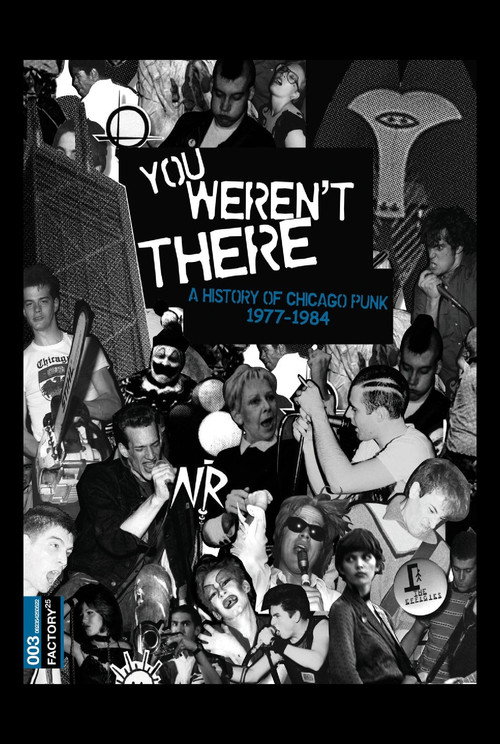 You Weren't There (2007)
 All Ages: The Boston Hardcore Film (2012)
- More like this film, on a shelf you can walk up to.It's the lit case on the top shelf.