Maryada Ramanna (2010)

- Original title
- మర్యాద రామన్న
- Directed by
- S. S. Rajamouli
- Genre
- comedy film
- Country
- India
- Runtime
- 2h 05m
- Rating
- 7.1 of 10 from 25 voters
- Elsewhere
- IMDb

The catalogue in 3D
The film shelves have a room of their own that you can walk around in. The cat behind the counter is the AI Catbot, and they pick real films from the same catalogue when you tell them what you feel like watching. Nothing is for sale, here or in there. Go in from here and this film is already out on the counter, with more like it waiting on the shelf next to it.
How it feels
A man travels to a rural village to claim his inheritance but finds himself caught in a generations-old blood feud. He must navigate a hostile family that wants him dead while observing strict local rules of hospitality.
lightheartedslow-burnwhimsicaltenseunderdogearthybittersweetplayful
What happens
Maryada Ramanna (transl. 'Respectable, brotherly Ram') is a 2010 Indian Telugu-language comedy drama film directed by S. S. Rajamouli, who co-wrote the script with S. S. Kanchi. Produced by Shobu Yarlagadda and Prasad Devineni under Arka Media Works, the film stars Sunil, Saloni and Nagineedu in the lead roles. The music was composed by M. M. Keeravani, with cinematography by Ram Prasad. It is Inspired by the Buster Keaton's silent comedy film Our Hospitality. When Rajamouli watched Our Hospitality, he liked it immensely and wanted to retell the story in his own way. He attempted to contact the original creators but discovered that the original writers had long since died and that the film's copyright had expired, as it had been over 75 years since its release. S. S. Kanchi and Rajamouli adapted the story with a Rayalaseema backdrop, focusing on the factional violence and hospitality that co-existed in the region. The film was released theatrically on 23 July 2010, the film opened to positive reviews from critics and audiences alike. Made on a budget of ₹120–140 million, the film was commercially successful and earned a distributor share of over ₹285 million (US$3.0 million). It became one of the highest grossing Telugu films of 2010. It received four Nandi Awards, including Best Popular Feature Film. The film was remade in five languages: Kannada, Bengali, Hindi, Tamil and Malayalam. (from Wikipedia, CC BY-SA)
More like this
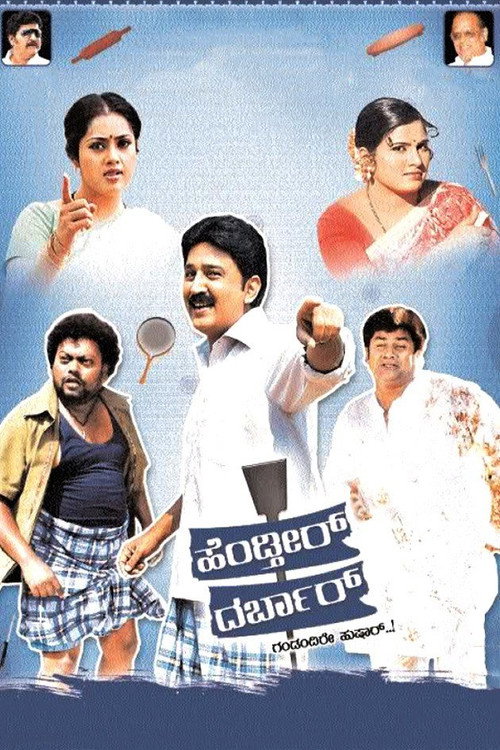 Hendtheer Darbar (2010)
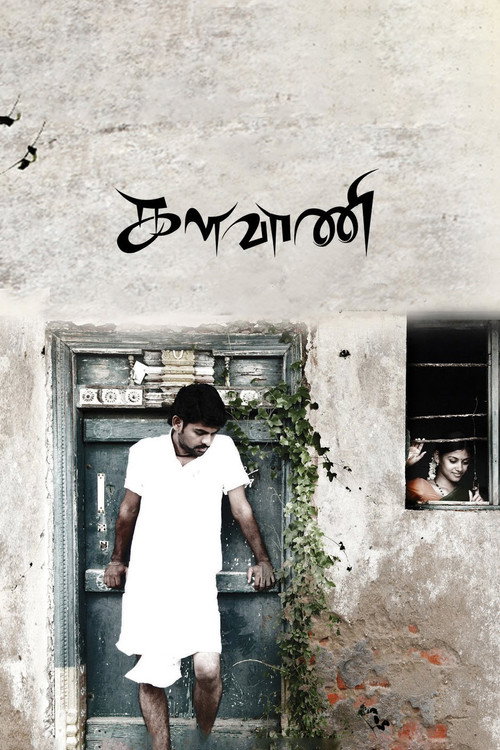 Kalavani (2010)
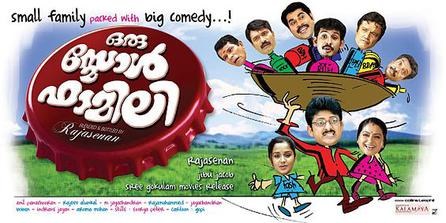 Oru Small Family (2010)
 Magizhchi (2010)
 Senior Mandrake (2010)
 Crazy Kutumba (2010)
 Thoovalkattu (2010)
 Ideachi Kalpana (2010)
- More like this film, on a shelf you can walk up to.It's the lit case on the top shelf.