Baishe Srabon (2011)

- Original title
- ২২শে শ্রাবণ
- Directed by
- Srijit Mukherji
- Genre
- psychological thriller, musical film
- Country
- India
- Runtime
- 2h 19m
- Rated
- A
- Rating
- 7.3 of 10 from 42 voters
- Elsewhere
- IMDb

The catalogue in 3D
The film shelves have a room of their own that you can walk around in. The cat behind the counter is the AI Catbot, and they pick real films from the same catalogue when you tell them what you feel like watching. Nothing is for sale, here or in there. Go in from here and this film is already out on the counter, with more like it waiting on the shelf next to it.
How it feels
A former police officer known for his brutal methods is brought back to work a case. A serial killer is using lines from Bengali poems as his signature in each murder.
tensemoodydarkly poeticmethodicalintriguinggrittybroodingmelancholic
What happens
Baishe Srabon (/baɪʃeɪ ʃraːbon/ transl. The 22nd Srabon), also marketed as 22 Shey Srabon, is a 2011 Indian Bengali-language neo-noir psychological thriller film written and directed by Srijit Mukherji. Produced by Shrikant Mohta and Mahendra Soni under the banner of Shree Venkatesh Films, the film is the first instalment of Mukherji's own Cop Universe. It stars an ensemble cast of Prosenjit Chatterjee, Parambrata Chatterjee, Raima Sen, Abir Chatterjee and Gautam Ghose in the leads. The film plots a former brutal-minded and hot-tempered police officer, being recruited by the department to solve a case involving a serial killer, who murders his victims according to the different verses of Bengali poems. Initially planned as a telefilm, the film marks Mukherji's second collaboration with Prosenjit Chatterjee, and Ghose's comeback to acting after a 29-year absence. Partially inspired by the 2008 American crime-thriller Righteous Kill, the film brought the thriller genre back to Bengali cinema after a long time. Announced in December 2010, and principal photography commenced in January 2011. Filming took places in Kolkata and Howrah, with portions being shot in Shimla and Nainital. Anupam Roy composed its soundtrack, while score was provided by Indraadip Dasgupta. It is the first film to have the Hungry movement in the 1960s in its storyline. Upon release, it received highly positive reviews from critics and was one of the highest-grossing Bengali films of 2011 and considered as a cult film among the Bengali audience. The spin-off sequel to the film, Dwitiyo Purush, was released on 23 January 2020 and a direct prequel Dawshom Awbotaar, was released on 19 October 2023. Both were directed by Srijit Mukherji. (from Wikipedia, CC BY-SA)
More like this
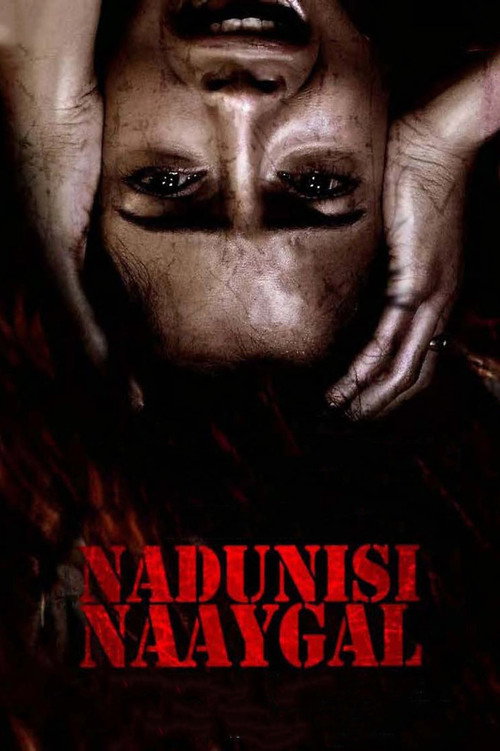 Nadunisi Naaygal (2011)
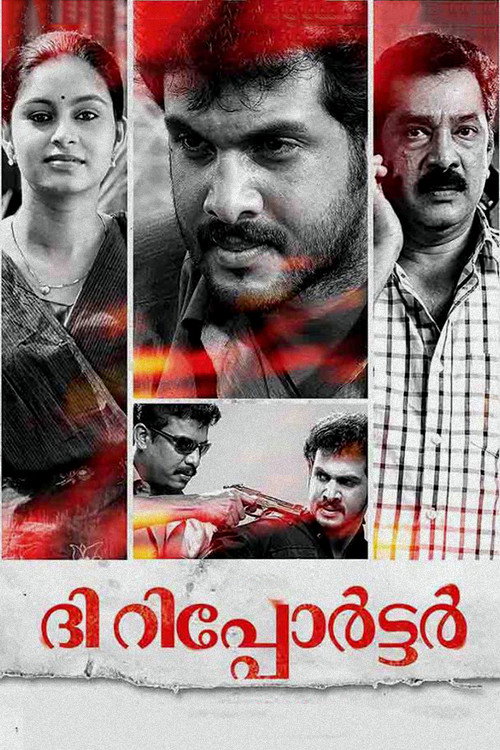 The Reporter (2011)
 Yuddham Sei (2011)
 Aptha (2011)
 Phhir (2011)
 Not a Love Story (2011)
 Michael (2011)
 Akam (2011)
- More like this film, on a shelf you can walk up to.It's the lit case on the top shelf.