The Secret Disco Revolution (2012)

- Directed by
- Jamie Kastner
- Genre
- documentary film
- Country
- Canada
- Runtime
- 1h 30m
- Rating
- 6.5 of 10 from 4 voters
- Elsewhere
- IMDb
The catalogue in 3D
The film shelves have a room of their own that you can walk around in. The cat behind the counter is the AI Catbot, and they pick real films from the same catalogue when you tell them what you feel like watching. Nothing is for sale, here or in there. Go in from here and this film is already out on the counter, with more like it waiting on the shelf next to it.
How it feels
This documentary looks at the rise of disco music and its club culture. It argues that disco helped advance rights for women, racial minorities and LGBTQ people in the late 1970s and 1980s.
informativeplayfulunconventionalloosecheekyspeculativeclubby
What happens
The Secret Disco Revolution is a Canadian documentary film, directed by Jamie Kastner and released in 2012. Profiling the disco genre of music and the club culture surrounding it, the film is structured around academic Alice Echols's thesis that the genre played an important role in spurring advances in gender, racial and LGBTQ equality in the late 1970s and 1980s. Figures appearing in the film include Thelma Houston, Gloria Gaynor, Martha Wash and members of The Village People. The New York Times said "It's so clever that it makes fun of itself with a mock connecting narrative." Dennis Harvey of Variety criticized the film for that narrative framing, particularly Kastner's use of three fictional characters who are presented as deliberately orchestrating the creation and rise of the genre. He also wrote that while the overall thesis was reasonable, it sometimes stretched into implausibility, particularly when it posited Donna Summer's single "Love to Love You Baby" as an ode to the female orgasm. Daniel Pratt of Exclaim! also criticized the framing device, calling it confusing and offputting, and writing that "letting the text speak for itself, with a bit of clever editing, would have been far more effective." The film premiered at the 2012 Toronto International Film Festival. It was subsequently acquired for theatrical distribution by Screen Media Films, and had a theatrical run in 2013. (from Wikipedia, CC BY-SA)
More like this
 Disco's Revenge (2024)
 Hip Hop Eh (2012)
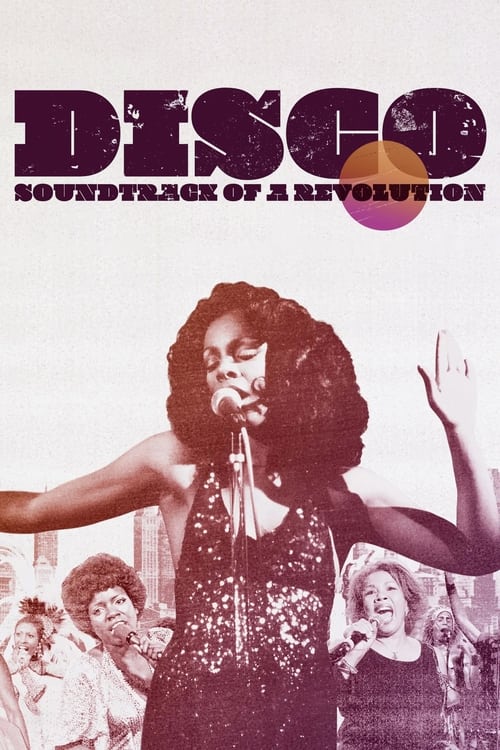 Soundtrack of a Revolution (2023)
 Lesbiana: A Parallel Revolution (2012)
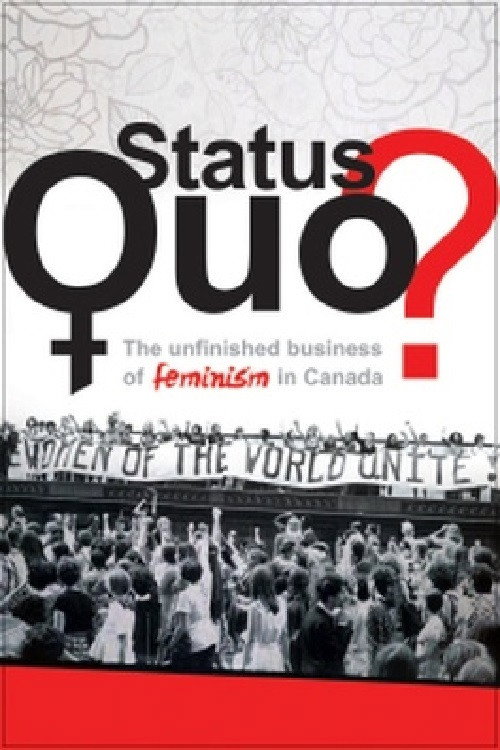 Status Quo? The Unfinished Business of Feminism in Canada (2012)
 Les criminelles (2012)
 Idris Elba's How Clubbing Changed the World (2012)
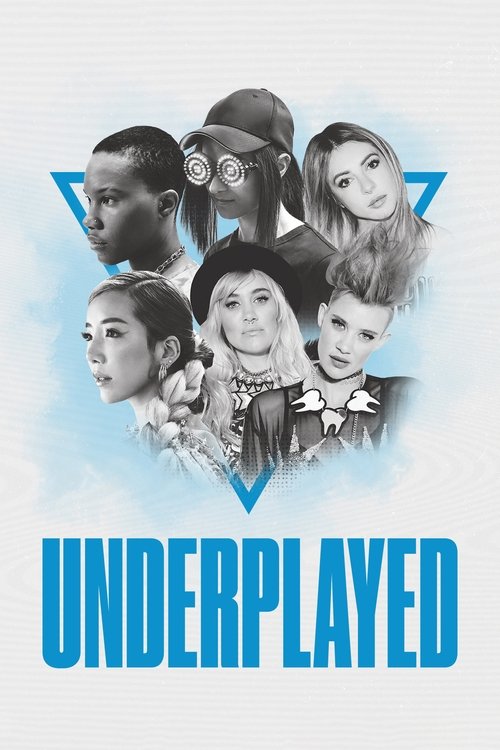 Underplayed (2020)
- More like this film, on a shelf you can walk up to.It's the lit case on the top shelf.