A Trip to the Moon (1902)

- Original title
- Le Voyage dans la Lune
- Directed by
- Georges Méliès
- Genre
- fantasy film, comedy film, silent film, science fiction film
- Country
- France
- Runtime
- 16 min
- Rated
- G
- Rating
- 7.9 of 10 from 2,017 voters
- Elsewhere
- IMDb
The catalogue in 3D
The film shelves have a room of their own that you can walk around in. The cat behind the counter is the AI Catbot, and they pick real films from the same catalogue when you tell them what you feel like watching. Nothing is for sale, here or in there. Go in from here and this film is already out on the counter, with more like it waiting on the shelf next to it.
How it feels
A group of astronomers build a giant cannon and shoot themselves to the Moon in a capsule. They explore the lunar surface, fight underground creatures called Selenites, and bring one back to Earth.
whimsicalplayfulepisodicsurrealdatedcampyadventurousslapstick
What happens
A Trip to the Moon (French: Le Voyage dans la Lune [lə vwajaʒ dɑ̃ la lyn], transl. "The Journey into the Moon") is a 1902 French science-fiction adventure trick film written, directed and produced by Georges Méliès. Inspired by the Jules Verne novel From the Earth to the Moon (1865) and its sequel Around the Moon (1870), the film follows a group of astronomers who travel to the Moon in a cannon-propelled capsule, explore the Moon's surface, escape from an underground group of Selenites (lunar inhabitants), and return to Earth with a captive Selenite. Méliès leads an ensemble cast of French theatrical performers as the main character Professor Barbenfouillis. Although the film disappeared into obscurity after Méliès's retirement from the film industry, it was rediscovered around 1930, when Méliès's importance to the history of cinema was beginning to be recognised by film devotees. An original hand-colored print was discovered in 1993, and restored in 2011. A Trip to the Moon was ranked 84th among the 100 greatest films of the 20th century by The Village Voice. The film remains Méliès' best-known, and the moment when the capsule lands (in the moon's eye) remains one of the most iconic, and frequently referenced, images in the history of cinema. (from Wikipedia, CC BY-SA)
More like this
 Excursion to the Moon (1908)
 The Astronomer's Dream (1898)
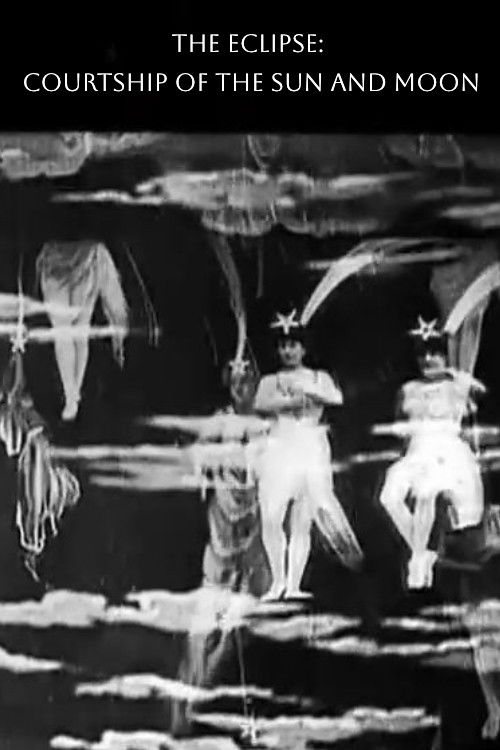 The Eclipse, or the Courtship of the Sun and Moon (1907)
 The Impossible Voyage (1904)
 Gulliver's Travels Among the Lilliputians and the Giants (1902)
 The Man in the Moon (1909)
 From the Earth to the Moon (1958)
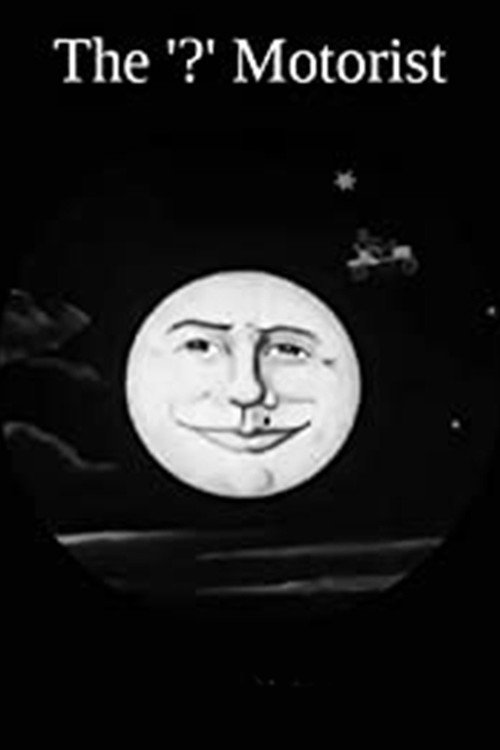 The '?' Motorist (1906)
- More like this film, on a shelf you can walk up to.It's the lit case on the top shelf.