The 13th (2016)

- Original title
- 13th
- Directed by
- Ava DuVernay
- Genre
- documentary film
- Country
- United States
- Runtime
- 1h 40m
- Rated
- 16
- Rating
- 7.8 of 10 from 796 voters
- Elsewhere
- IMDb

The catalogue in 3D
The film shelves have a room of their own that you can walk around in. The cat behind the counter is the AI Catbot, and they pick real films from the same catalogue when you tell them what you feel like watching. Nothing is for sale, here or in there. Go in from here and this film is already out on the counter, with more like it waiting on the shelf next to it.
How it feels
This documentary examines how the US criminal justice system has disproportionately impacted Black Americans since the end of slavery. It traces the connection between the 13th Amendment's exception for punishment and the rise of mass incarceration over the following century.
informativesoberingurgentthought-provokingunflinchinganalyticaleye-openingdisturbingeducational
What happens
13th is a 2016 American documentary film directed by Ava DuVernay. It explores the prison–industrial complex, and the "intersection of race, justice, and mass incarceration in the United States". The title refers to the Thirteenth Amendment to the United States Constitution, adopted in 1865, which abolished slavery throughout the United States and ended involuntary servitude, except as punishment for convicted criminals. The film argues that this exemption has been used to continue the practice of involuntary servitude in the form of penal labor. DuVernay contends that slavery in the United States has been perpetuated since the end of the Civil War through criminalizing behavior and enabling police to arrest poor freedmen and force them to work for the state under convict leasing; suppression of African Americans by disenfranchisement, lynchings, and Jim Crow; politicians declaring a war on drugs that weighs more heavily on minority communities; and, by the late 20th century, mass incarceration affecting communities of color, especially American descendants of slavery. In addition to the prison-industrial complex, the film examines the emerging detention-industrial complex, discussing how much money is being made by corporations from such incarcerations. The film garnered widespread critical acclaim. It was nominated for the Academy Award for Best Documentary Feature at the 89th Academy Awards, and it won the Primetime Emmy Award for Outstanding Documentary or Nonfiction Special at the 69th Primetime Emmy Awards. (from Wikipedia, CC BY-SA)
More like this
 Incarcerating US (2016)
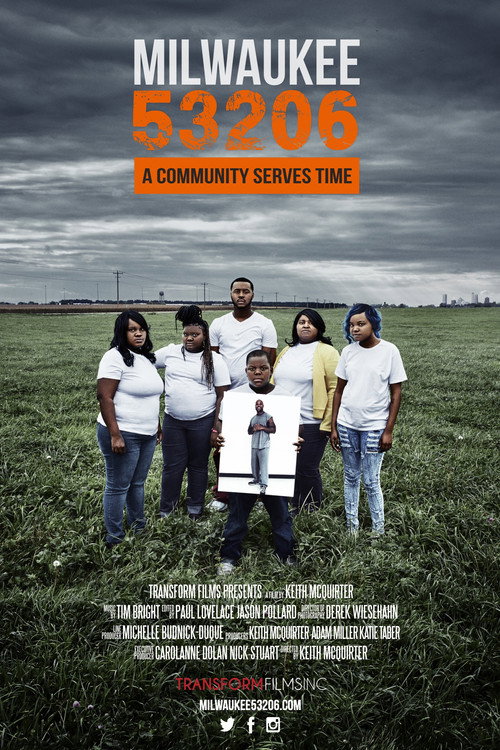 Milwaukee 53206 (2016)
 Black Power: America's Armed Resistance (2016)
 Rogues in Robes (2016)
 Tower (2016)
 Survivors Guide to Prison (2018)
 Black Boys (2020)
 Liberty & Slavery (2016)
- More like this film, on a shelf you can walk up to.It's the lit case on the top shelf.