Cantábrico (2017)

- Directed by
- Joaquín Gutiérrez Acha
- Genre
- documentary film
- Country
- Spain
- Runtime
- 1h 41m
- Rated
- APTA
- Rating
- 7.0 of 10 from 17 voters
- Elsewhere
- IMDb

The catalogue in 3D
The film shelves have a room of their own that you can walk around in. The cat behind the counter is the AI Catbot, and they pick real films from the same catalogue when you tell them what you feel like watching. Nothing is for sale, here or in there. Go in from here and this film is already out on the counter, with more like it waiting on the shelf next to it.
How it feels
This nature documentary follows the wildlife of the Cantabrian Mountains in northern Spain over the course of a year. It shows animals like the brown bear, Iberian wolf, and capercaillie as well as lesser-known species in their natural habitats.
observationalsereneimmersiveawe-inspiringpatientnaturalistictendersober
What happens
Cantábrico es una película documental de naturaleza dirigida por Joaquín Gutiérrez Acha. También conocida con el subtítulo Cantábrico. Los dominios del oso pardo, fue estrenada el 31 de marzo de 2017 y muestra la vida de diversos animales de la cordillera Cantábrica, en el norte de España, en el transcurso de un año. Además de tomas de especies emblemáticas, como el oso pardo (Ursus arctos), que aparece en el cartel de la película, el lobo ibérico (Canis lupus signatus) o el urogallo (Tetrao urogallus), la película incluye fragmentos de otras especies menos conocidas por el gran público o menos habituales en los documentales, como el rebeco (Rupicapra rupicapra), la víbora de Seoane (Vipera seoanei), el abejero europeo (Pernis apivorus), la hormiguera oscura (Phengaris nausithous) o el mirlo acuático europeo (Cinclus cinclus), pasando por otros como el arrendajo (Garrulus glandarius), el gato montés (Felis silvestris), el armiño (Mustela erminea) o el salmón (Salmo salar). Dos de los momentos más destacados son la primera cacería de lobos ibéricos filmada y la presencia en una misma toma de varios ejemplares de urogallo cantábrico. El documental fue grabado en varias localizaciones de la cordillera Cantábrica repartidas por las comunidades autónomas de Galicia, Castilla y León, Asturias y Cantabria, durante más de dos años. (from Wikipedia, CC BY-SA)
More like this
 Barbacana, on the trail of the wolf (2018)
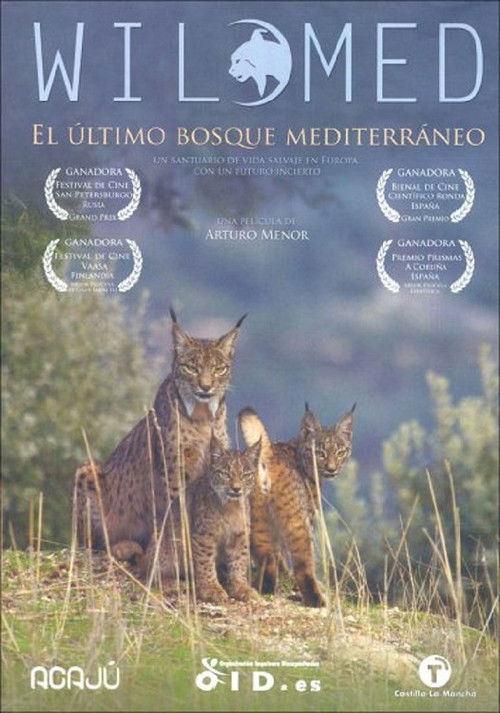 WildMed, the last Mediterranean forest (2014)
 The Mountains of the Wolf (2003)
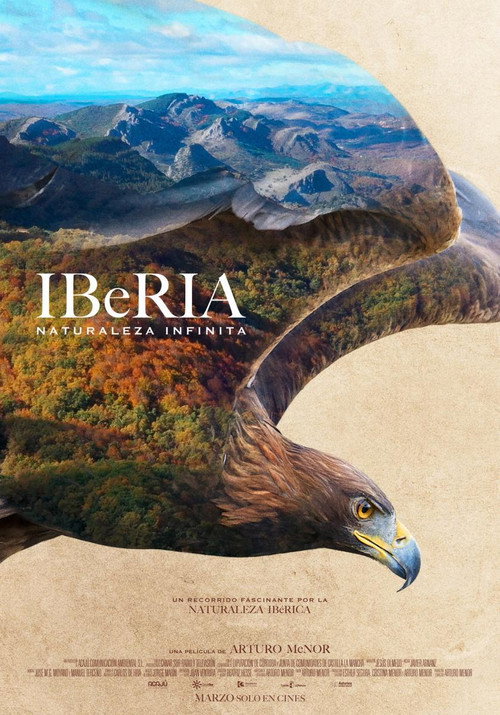 Iberia, infinite nature (2023)
 The secret world of nature: Spain (2013)
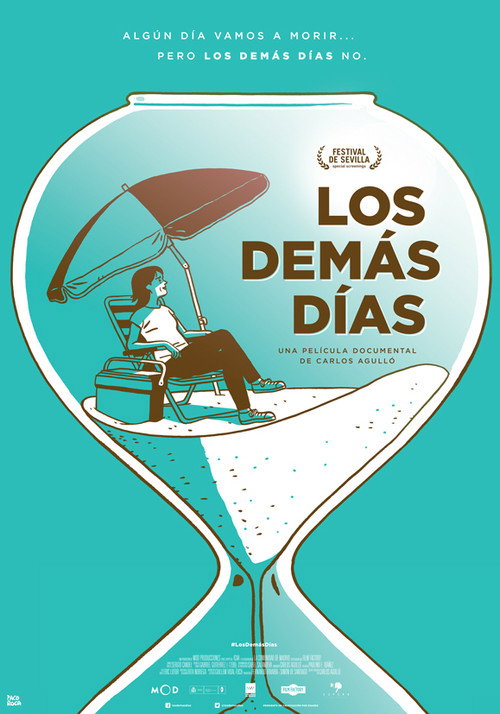 All the Other Days (Los demás días) (2017)
 Elkarrekin-Together (2017)
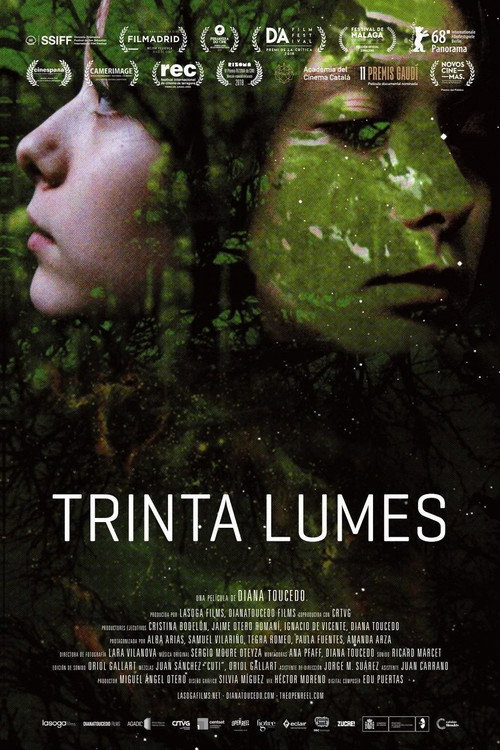 Thirty Souls (Trinta Lumes) (2017)
- More like this film, on a shelf you can walk up to.It's the lit case on the top shelf.