Special effects of The Empire Strikes Back

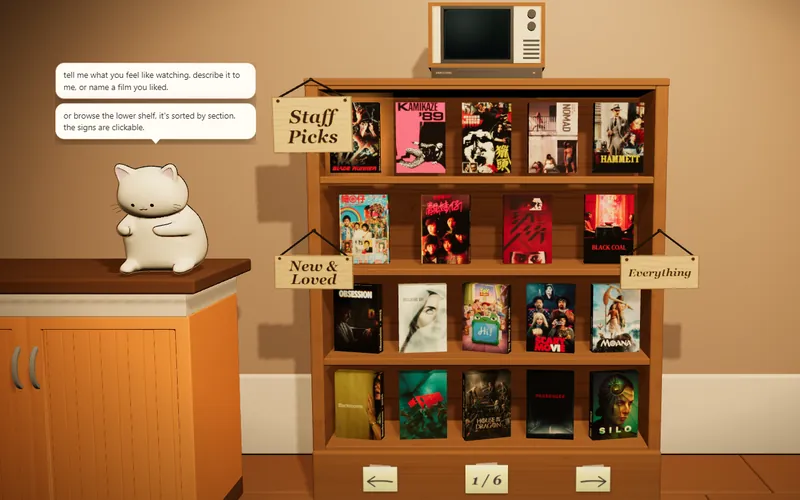
The catalogue in 3D
The film shelves have a room of their own that you can walk around in. The cat behind the counter is the AI Catbot, and they pick real films from the same catalogue when you tell them what you feel like watching. Nothing is for sale, here or in there. Go in from here and this film is already out on the counter, with more like it waiting on the shelf next to it.
How it feels
The Rebel Alliance fights the Galactic Empire three years after the first movie. Luke Skywalker trains to become a Jedi while his friends are hunted by Darth Vader.
epicaction-packedsuspensefulvisually impressiveemotionaldarkfast-pacedawe-inspiring
What happens
The Empire Strikes Back (also known as Star Wars: Episode V – The Empire Strikes Back) is a 1980 American epic space opera film directed by Irvin Kershner, with a screenplay by Leigh Brackett and Lawrence Kasdan, based on a story by George Lucas. It is the sequel to Star Wars (1977), the second film in the Star Wars film series, and the fifth chronological chapter of the Skywalker Saga. Set three years after the events of Star Wars, its story follows the battle between the Galactic Empire led by Emperor Palpatine and the Rebel Alliance led by Princess Leia. Meanwhile, Luke Skywalker trains to master the Force so he can confront the Sith lord Darth Vader. The ensemble cast includes Mark Hamill, Harrison Ford, Carrie Fisher, Billy Dee Williams, Anthony Daniels, David Prowse, Kenny Baker, Peter Mayhew, and Frank Oz. The development of the film began in 1977, shortly after the release of Star Wars. Lucas's own special effects company had effectively ceased to exist following the production of Star Wars and he decided to re-establish the company, moving it from central to northern California and building a new facility as its base. Construction began in mid-1978, and the crew operated out of the incomplete building to keep pace with Empire's filming schedule. Up to 100 people worked on the nearly 600 effects required for the film, which included miniatures, matte paintings, stop motion, articulated models, and full-size vehicles. Special effects-related expenses totalled $8 million, and the team was led by Richard Edlund and Brian Johnson to complete the effects. (from Wikipedia, CC BY-SA)
More like this
 Star Wars: Episode V – The Empire Strikes Back (1980)
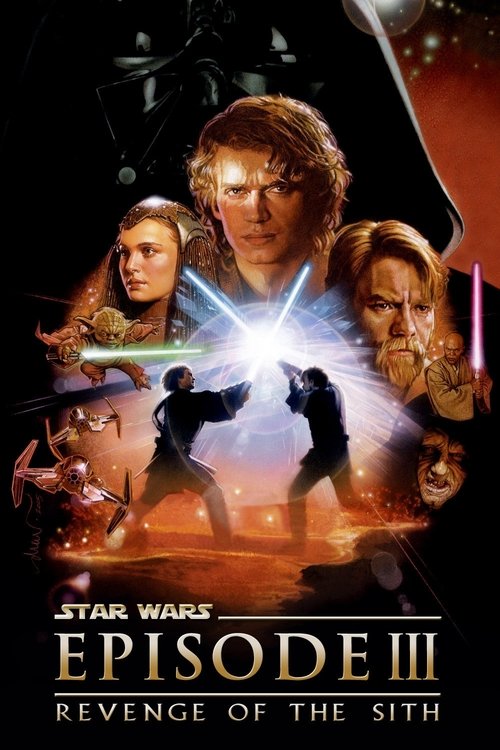 Star Wars: Episode III – Revenge of the Sith (2005)
 Star Wars: Episode IV – A New Hope (1977)
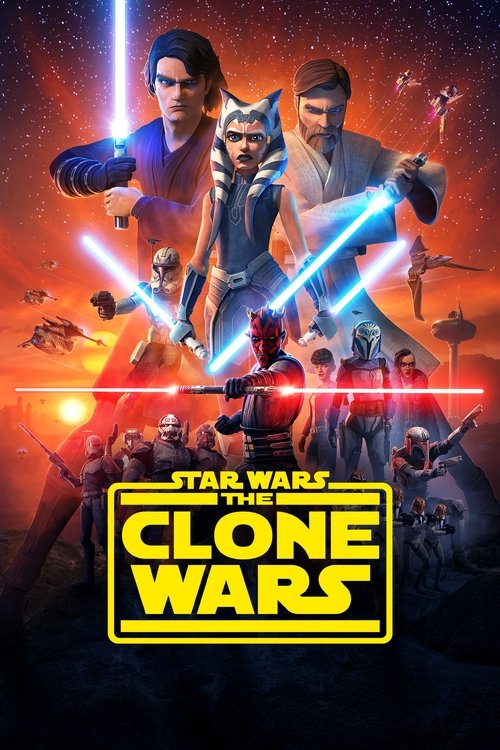 Star Wars: The Clone Wars (2008)
 Star Wars: Episode VIII – The Last Jedi (2017)
 Star Wars: Episode VII – The Force Awakens (2015)
 TIE Fighter
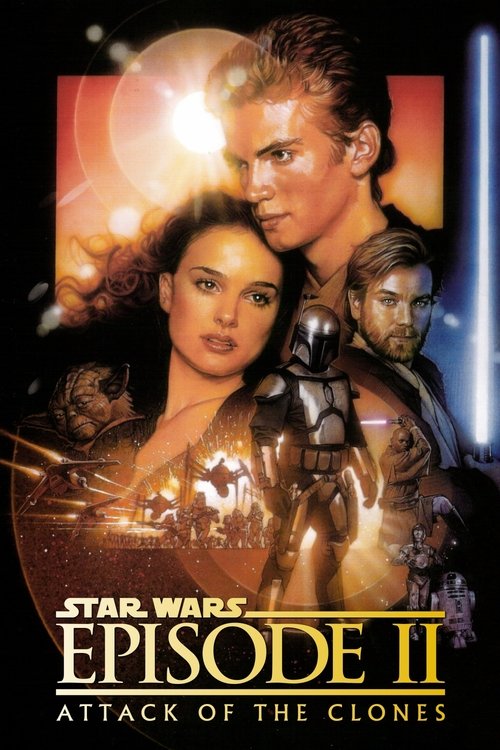 Star Wars: Episode II – Attack of the Clones (2002)
- More like this film, on a shelf you can walk up to.It's the lit case on the top shelf.