Wandering Sun (1971)

- Original title
- さすらいの太陽
- Genre
- drama anime and manga, Drama, Music
- Country
- Japan
- Length
- 1 season, 26 episodes
- Rated
- TV-14
- Rating
- 5.6 of 10 from 5 voters
- Elsewhere
- IMDb
The catalogue in 3D
The film shelves have a room of their own that you can walk around in. The cat behind the counter is the AI Catbot, and they pick real films from the same catalogue when you tell them what you feel like watching. Nothing is for sale, here or in there. Go in from here and this series is already out on the counter, with more like it waiting on the shelf next to it.
How it feels
Two girls are switched at birth by a nurse with a grudge. One grows up poor, the other rich, and they later compete to become pop singers in Japan.
emotionalmelodramaticcoming-of-agebittersweetambitioustensenostalgic
What happens
Wandering Sun (さすらいの太陽, Sasurai no Taiyō), also known as Nozomi in the Sun, is a Japanese manga series written by Keisuke Fujikawa and illustrated by Mayumi Suzuki. It also received an anime adaptation by Mushi Productions which ran for 26 episodes in 1971. Both Yoshiyuki Tomino and Yoshikazu Yasuhiko were involved in the production of Wandering Sun, and would later again collaborate on the ground-breaking and genre-defining series Brave Raideen and Mobile Suit Gundam. The anime toned down some of the more intense and mature elements of the manga for a prime-time TV audience. Wandering Sun tells the story of two girls switched at birth by the nurse Michiko, who has a grudge against the wealthy. Miki was born in the poor Mine family but is switched into the rich Koda clan, and Nozomi the opposite. Fate cannot separate the two girls who compete to become successful singers after meeting at high school, with the girl-next-door Nozomi working hard and on her own to be the best pop singer in Japan and the rich girl Miki using her family's status to reach the same goal. This series was itself a ground-breaker in that it was perhaps the first anime series to depict the entertainment industry—specifically popular music, and that would popularize the future concept of Japanese idols which would be a major plot point in many anime to come from Macross, Creamy Mami and Perfect Blue until the Love Live series. The TV series was also released in Italy under the title Jane e Micci and in France as Nathalie et ses Amis. (from Wikipedia, CC BY-SA)
More like this
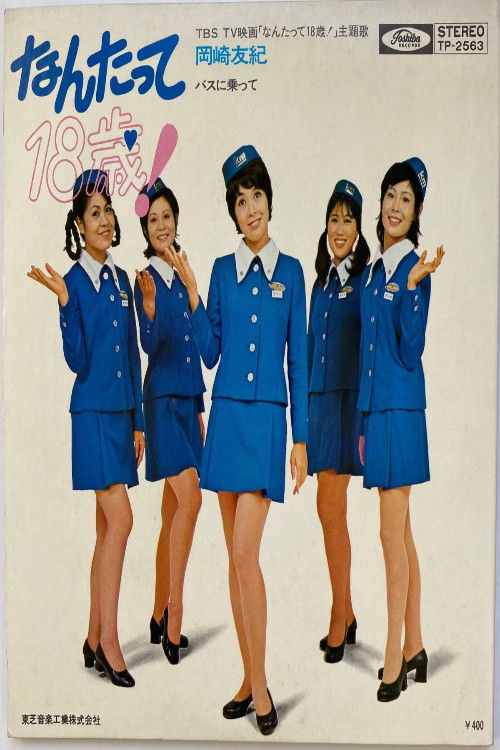 Nantatte 18 sai! (1971)
 Candy Candy (1976)
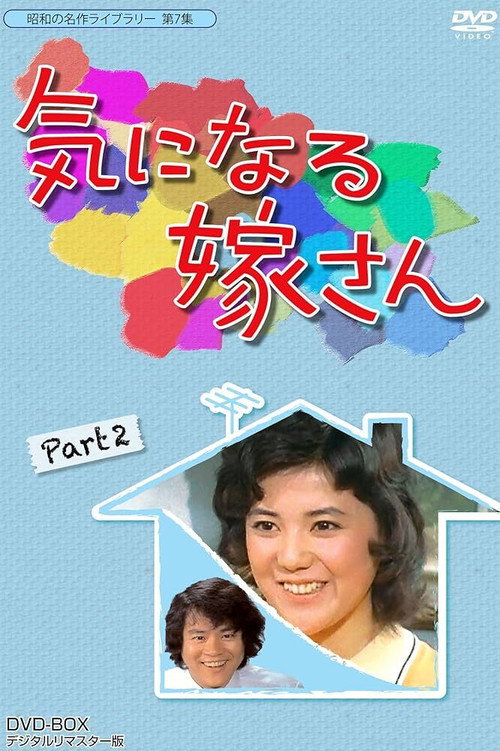 Kininaru Yomesan (1971)
 Nana (2006)
 Oshi no Ko (2023)
 Chance Pop Session (2001)
 Orange (2016)
 Golden Time (2013)
- More like this series, on a shelf you can walk up to.It's the lit case on the top shelf.