Number 96 (1972)

- Genre
- soap opera, LGBT-related television series
- Country
- Australia
- Length
- 6 seasons, 1218 episodes
- Rating
- 4.2 of 10 from 8 voters
- Elsewhere
- IMDb
The catalogue in 3D
The film shelves have a room of their own that you can walk around in. The cat behind the counter is the AI Catbot, and they pick real films from the same catalogue when you tell them what you feel like watching. Nothing is for sale, here or in there. Go in from here and this series is already out on the counter, with more like it waiting on the shelf next to it.
How it feels
This 1970s Australian soap opera follows the residents and visitors of a four-story block of flats in inner Sydney. It focuses on their personal lives and relationships with risque and controversial storylines for the time.
risquecontroversialsoapyfast-pacedurbandatedlightweightdramatic
What happens
Number 96 is an Australian primetime soap opera that aired on 0-10 Network (the forerunner of what is now Network Ten) and was produced by Cash Harmon Television and created by David Sale, who also served as a scriptwriter, primarily alongside Johnny Whyte broadcast from 13 March 1972 to 11 August 1977, originally in the primetime slot of 8:30 pm for 5 x half-hour episodes every weeknight, then later 2 x one hour episodes screened per week. The series follows the lives of the residents and visitors of a fictional four story inner Sydney block of flats located at 96 Lindsay Street, Paddington (hence the title "96") Although the series gained a huge following in Australia, because of its risque and controversial content and subject matter for its time, it never attained the worldwide global success or cult following as later show Prisoner that was known as Prisoner: Cell Block H in the UK and USA. The show was originally broadcast in black and white monochrome until halfway through its run; starting in March 1975, it was seen in colour, after networks in Australia switched over to colour television broadcasting. (from Wikipedia, CC BY-SA)
More like this
 Certain Women (1973)
 The Box (1974)
 Prisoner (1979)
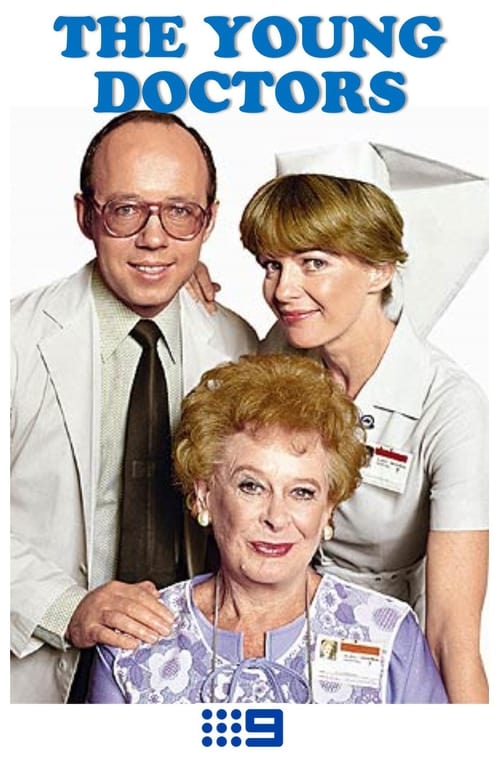 The Young Doctors (1976)
 Dynasty (1970)
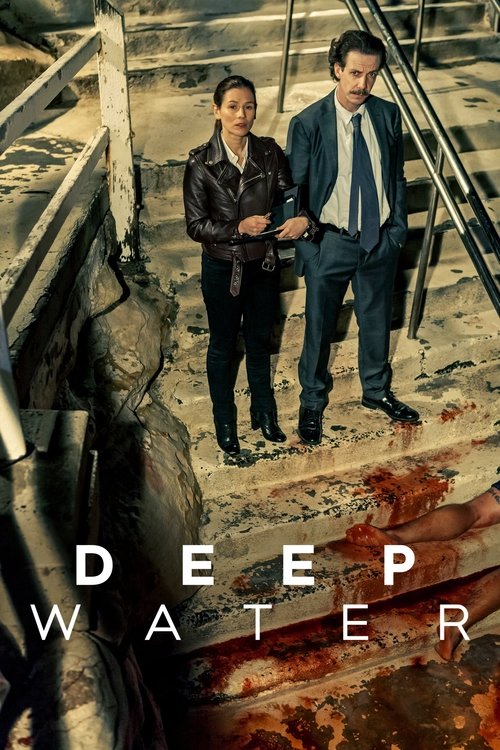 Deep Water (2016)
 The Unisexers (1975)
 Lane End (1972)
- More like this series, on a shelf you can walk up to.It's the lit case on the top shelf.