National Geographic Explorer (1985)
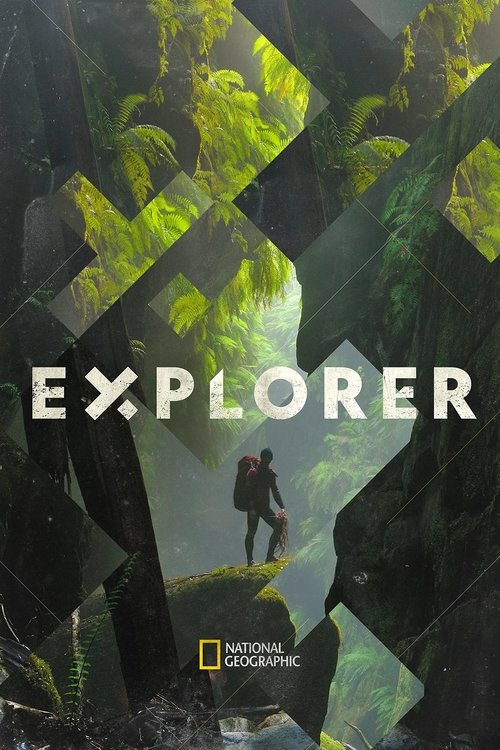
- Original title
- Explorer
- Genre
- history, geography, documentary film, adventure television series, scientific non-fiction literature
- Country
- United States
- Length
- 26 seasons, 233 episodes
- Rated
- TV-PG
- Rating
- 6.0 of 10 from 16 voters
- Elsewhere
- IMDb

The catalogue in 3D
The film shelves have a room of their own that you can walk around in. The cat behind the counter is the AI Catbot, and they pick real films from the same catalogue when you tell them what you feel like watching. Nothing is for sale, here or in there. Go in from here and this series is already out on the counter, with more like it waiting on the shelf next to it.
How it feels
A documentary series that covers topics in history, geography, and science. Each episode contains several short films that explore different subjects from around the world.
informativeeducationalfactualobservationalsteadywide-rangingseriousdetailed
What happens
National Geographic Explorer (or simply Explorer) is an American documentary television series that originally premiered on Nickelodeon on April 7, 1985, after having been produced as a less costly and intensive alternative to PBS's National Geographic Specials by Pittsburgh station WQED. The first episode ("Herculaneum: Voices from the Past") was produced by WQED and featured long-time Explorer cameraman Mark Knobil, who is the few staff members with the franchise during all 24 seasons. The program is the longest-running documentary television series on cable television. Presented every Sunday from 5:00 pm to 8:00 pm, the original series was three hours in length, containing five to ten short films. Although the National Geographic Society had been producing specials for television for 20 years prior to Explorer, the premiere of the series required an increase in production from 4 hours of programming a year to 156 hours. Tim Cowling and Tim Kelly were the executive producers for the series during this transition. In its 36 years on television, Explorer has worked for five television outlets. In February 1986, Explorer moved to TBS, where it had a successful run until September 1999, when it moved to CNBC. In October 2001, the series moved to MSNBC. In June 2003, the series was relaunched on MSNBC as Ultimate Explorer, with Lisa Ling as the host. On July 8, 2004, Explorer joined the National Geographic Channel. National Geographic Explorer has earned more than 400 awards, including 52 Emmy Awards, 13 Cable ACE awards, the Family Television Award, the Genesis Award, the DuPont-Columbia Silver Baton Award, the Peabody Award, four gold medals at the International Film and Television Festival of New York, as well as being nominated for two Academy Awards. The original Explorer series ended in 2011 and then was started again in 2015 with the help of original programming president Tim Pastore, hosted by British journalist Richard Bacon, with executive producers Lou Wallach, Jeff Hasler and Brian Lovett. The series is broadcast on National Geographic's 171 channels around the world. In 2018, Bacon was replaced by Phil Keoghan who is best known for hosting The Amazing Race. (from Wikipedia, CC BY-SA)
More like this
 The Learning Channel's Great Books (1993)
 Naked Science (2004)
 100 Greatest Discoveries (2004)
 Nova (1974)
 Discover Magazine (1996)
 Biography (1987)
 NBC White Paper (1970)
 Lost Worlds (2005)
- More like this series, on a shelf you can walk up to.It's the lit case on the top shelf.