Sai de Baixo (1996)

- Genre
- sitcom
- Country
- Brazil
- Length
- 7 seasons, 241 episodes
- Rated
- 12
- Rating
- 8.3 of 10 from 26 voters
- Elsewhere
- IMDb
The catalogue in 3D
The film shelves have a room of their own that you can walk around in. The cat behind the counter is the AI Catbot, and they pick real films from the same catalogue when you tell them what you feel like watching. Nothing is for sale, here or in there. Go in from here and this series is already out on the counter, with more like it waiting on the shelf next to it.
How it feels
A Brazilian sitcom about a dysfunctional family living in an apartment building along with their maid and the doorman. The show follows their chaotic interactions and comedic clashes involving class differences and crude humor.
wittyfast-pacedraunchycomedicearthyirreverentlively
What happens
Sai de Baixo (a Brazilian Portuguese slang roughly translated as "get out of the way") is a Brazilian sitcom that first aired on Rede Globo from 1996 to 2002. It followed the lives of the members of a dysfunctional family, their maid and the doorman of the apartment building in which they lived. It ran for 7 seasons, from 1996 to 2002, on Sunday nights after the newsmagazine Fantástico. That means that it always aired after 10:00 pm, which was necessary given the show's heavy language and sexual innuendos. In 2000, however, the premiere of a new reality show shifted the program to the 11:30 p.m. slot, which lasted for about four months. After that the timeslot varied almost monthly, which started to hurt ratings. At one time, the show was airing around 12:30 a.m., which is considered the beginning of the "wasteland" of late night programming in Brazilian television, with fewer viewers and, therefore, fewer sponsors. In 2013, Globo's sister cable channel Canal Viva produced a revival of the show with four episodes. Although some of the characters hailed from the poorer layers of society (such as the maid and the doorman), as well as the richer (albeit impoverished, such as the former socialite), the program derived most of its humor from an acid criticism of the Brazilian middle class, its prejudices and views of the rest of the country and the world. This precept justified the sometimes harsh jokes involving racism, sexism and other politically incorrect notions. (from Wikipedia, CC BY-SA)
More like this
 Os Normais (2001)
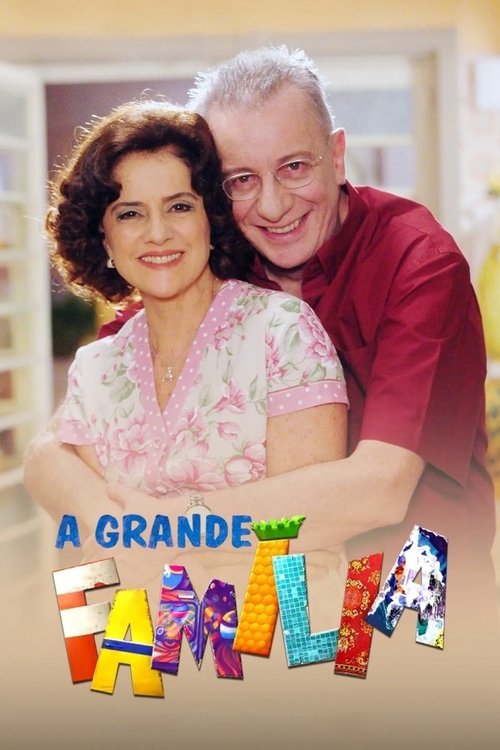 A Grande Família (2001)
 Vila Maluca (2004)
 Toma Lá, Dá Cá (2007)
 End of the Line (2024)
 Louco por Elas (2012)
 Tá no Ar (2014)
 Vai Que Cola (2013)
- More like this series, on a shelf you can walk up to.It's the lit case on the top shelf.