Aladdin's adventures
How it feels
Scheherazade tells a new story to her husband each night to delay her execution. The series adapts the classic Arabian Nights tales featuring princesses, genies, and magical adventures.
whimsicalfantasticalepisodictimelessstorybookinventivefolkloric
What happens
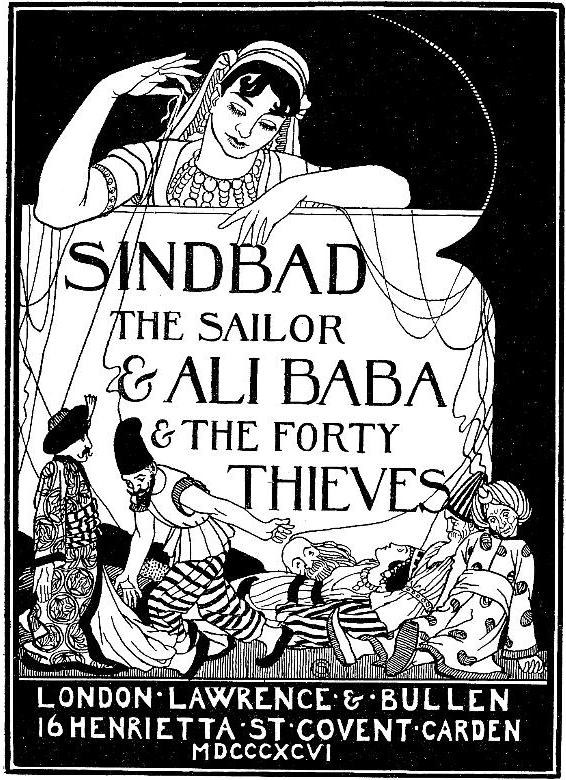
One Thousand and One Nights (Arabic: أَلْفُ لَيْلَةٍ وَلَيْلَةٌ, Alf Laylah wa-Laylah) is a collection of Middle Eastern folktales compiled in the Arabic language during the Islamic Golden Age. It is often known in English as The Arabian Nights, from the first English-language edition (c. 1706–1721), which rendered the title as The Arabian Nights' Entertainments. The work was collected over many centuries by various authors, translators, and scholars across West Asia, Central Asia, South Asia, and North Africa. Some tales trace their roots back to ancient and medieval Arabic, Persian, and Mesopotamian literature. Most tales, however, were originally folk stories from the Abbasid and Mamluk eras, while others, especially the frame story, are probably drawn from the Pahlavi Persian work Hezār Afsān (Persian: هزار افسان, lit. 'A Thousand Tales'), which in turn relied partly on Indian elements. Common to all the editions of the Nights is the framing device of the story of the ruler Shahryar being narrated the tales by his wife Scheherazade, with one tale told over each night of storytelling. The stories proceed from this original tale; some are framed within other tales, while some are self-contained. Some editions contain only a few hundred nights of storytelling, while others include 1001 or more. The bulk of the text is in prose, although verse is occasionally used for songs and riddles and to express heightened emotion. Most of the poems are single couplets or quatrains, although some are longer. Some of the stories commonly associated with the Arabian Nights—particularly "Aladdin and the Wonderful Lamp" and "Ali Baba and the Forty Thieves"—were not part of the collection in the original Arabic versions, but were instead added to the collection by French translator Antoine Galland after he heard them from Syrian writer Hanna Diyab during the latter's visit to Paris. Other stories, such as "The Seven Voyages of Sinbad the Sailor", had an independent existence before being added to the collection in later manuscripts and translations. (from Wikipedia, CC BY-SA)
More like this
- Les Mille et Une Nuits
- ألف ليلة وليلة
- Arabian Nights (2000)
- الليلة الثانية بعد الألف
- روزی بود، روزی نبود
- Le mille e una notte
- Le mille e una notte - Aladino e Sherazade (2012)
- ألف ليلة وليلة
Browse movies and series
press Enter to search by title, your filters still apply · for something by mood, tap Discover
Lists: Korean thrillers worth the evening · Anime films beyond Studio Ghibli · Slow films for a rainy night · Horror that unsettles instead of startling · Series you can finish in a weekend · Nordic crime worth the subtitles · Good films that end in under 90 minutes · Documentaries that play like thrillers
Loading movies…