Amalia (1914)

- Directed by
- Enrique García Velloso
- Genre
- silent film, historical drama
- Country
- Argentina
- Runtime
- 1h 21m
- Rating
- 5.5 of 10 from 4 voters
- Elsewhere
- IMDb
The catalogue in 3D
The film shelves have a room of their own that you can walk around in. The cat behind the counter is the AI Catbot, and they pick real films from the same catalogue when you tell them what you feel like watching. Nothing is for sale, here or in there. Go in from here and this film is already out on the counter, with more like it waiting on the shelf next to it.
How it feels
Based on a 19th century novel, this silent film follows events in Argentina during the time of the dictator Juan Manuel de Rosas. It was made by a top playwright and features performers from Buenos Aires high society.
statelyearnesthistoricalformaldeliberateslow-pacedtheatricalnostalgic
What happens
Amalia is a 1914 Argentine silent historical drama film directed and written by playwright Enrique García Velloso, produced by Max Glücksmann and photographed by Eugenio Py, based on the 1851−1855 novel of the same name by José Mármol. The film was an initiative of the charity society Asociación del Divino Rostro, and the characters were played by a long list of members of Buenos Aires' elite. The film's premiere on 12 December 1914 was an unprecedented event for national filmmaking, as it took place at the Teatro Colón, the most prestigious venue for the high society and aristocracy of Buenos Aires, with the presence of President Victorino de la Plaza and his ministers. Contrary to popular belief, Amalia was not Argentina's first feature-length film, nor did it represent a stylistic breakthrough, as Nelly o la prima pobre was released the previous year, a 60-minute production sponsored by and starring members of elite charitable societies. Nevertheless, Amalia was the longest film up to that time, with an original running time of 3,000 meters, and is also the oldest surviving feature film of the country. (from Wikipedia, CC BY-SA)
More like this
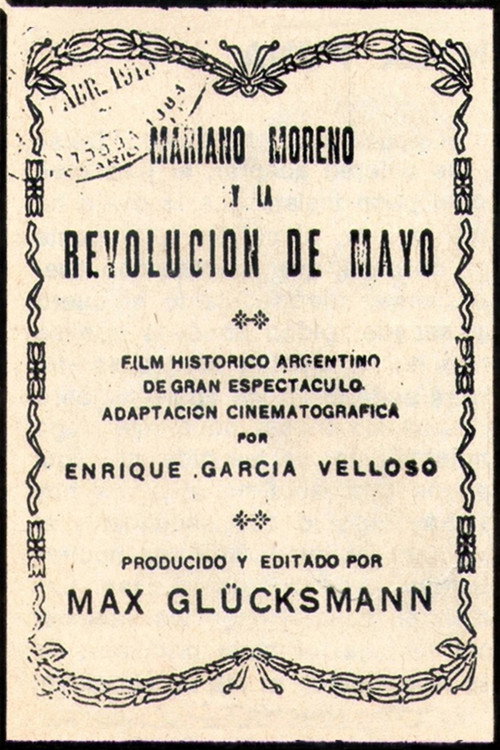 Mariano Moreno y la Revolución de Mayo (1915)
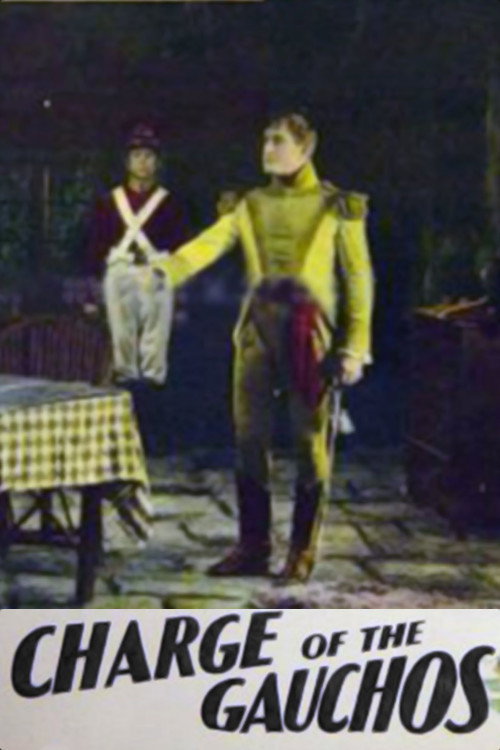 The Charge of the Gauchos (1928)
 El alcalde de Zalamea (1914)
 Resaca (1916)
 Deuda sagrada (1915)
 Juan sin Ropa (1919)
 ...Y los sueños pasan (1939)
 Destinos (1929)
- More like this film, on a shelf you can walk up to.It's the lit case on the top shelf.