Nosferatu (1922)

- Original title
- Nosferatu, eine Symphonie des Grauens
- Directed by
- F. W. Murnau
- Genre
- drama film, horror film, silent film, vampire film
- Country
- Germany
- Runtime
- 1h 34m
- Rated
- NR
- Rating
- 7.7 of 10 from 2,473 voters
- Elsewhere
- IMDb
The catalogue in 3D
The film shelves have a room of their own that you can walk around in. The cat behind the counter is the AI Catbot, and they pick real films from the same catalogue when you tell them what you feel like watching. Nothing is for sale, here or in there. Go in from here and this film is already out on the counter, with more like it waiting on the shelf next to it.
How it feels
A vampire named Count Orlok moves to a new town and preys on a woman. He also brings a deadly plague with him.
creepyshadowyslow-pacedatmosphericuncannyunsettlingstarkmelancholicdreamlike
What happens
Nosferatu: A Symphony of Horror (German: Nosferatu – Eine Symphonie des Grauens) is a 1922 silent German Expressionist vampire film directed by F. W. Murnau from a screenplay by Henrik Galeen. It stars Max Schreck as Count Orlok, a vampire who preys on the wife (Greta Schröder) of his estate agent (Gustav von Wangenheim) and brings the plague to their town. Nosferatu was produced by Prana Film and is an unofficial and unauthorized adaptation of Bram Stoker's 1897 novel Dracula. Various names and other details were changed from the novel, including Count Dracula being renamed Count Orlok. Although those changes are often represented as a defense against copyright infringement accusations, the original German intertitles acknowledged Dracula as the source. Film historian David Kalat states in his commentary track that since the film was "a low-budget film made by Germans for German audiences... setting it in Germany with German-named characters makes the story more tangible and immediate for German-speaking viewers". Even with several details altered, Stoker's widow, Florence, sued over the adaptation's copyright violation, and a court ruling ordered all copies of the film to be destroyed. However, several prints of Nosferatu survived, and the film came to be regarded as an influential masterpiece of cinema and the horror genre. Critic and historian Kim Newman declared it as a film that set the template for the genre of horror film. The film entered the public domain worldwide in 2019. (from Wikipedia, CC BY-SA)
More like this
 Nosferatu (2023)
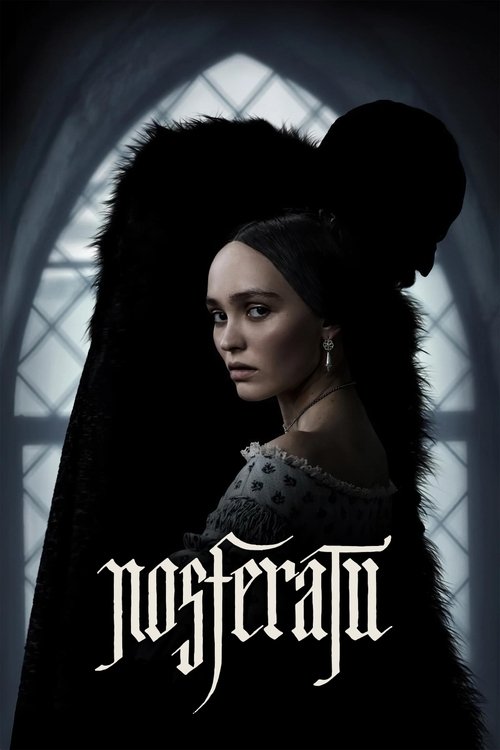 Nosferatu (2024)
 Nosferatu the Vampyre (1979)
 The Circle of Death (1922)
 Power of Temptation (1922)
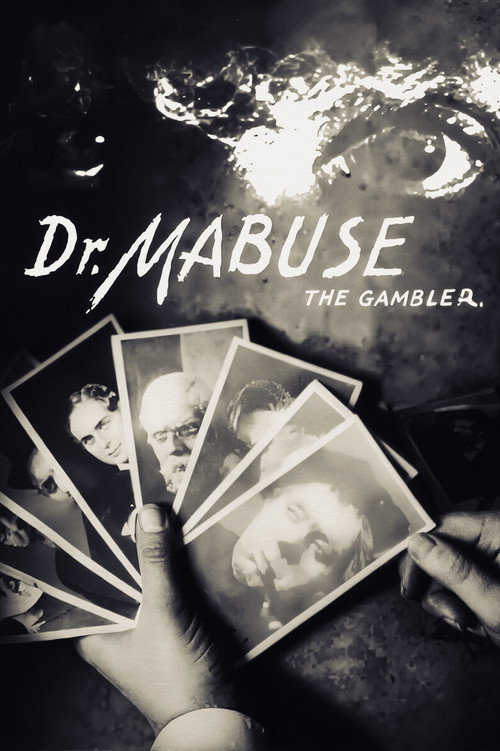 Dr. Mabuse the Gambler (1922)
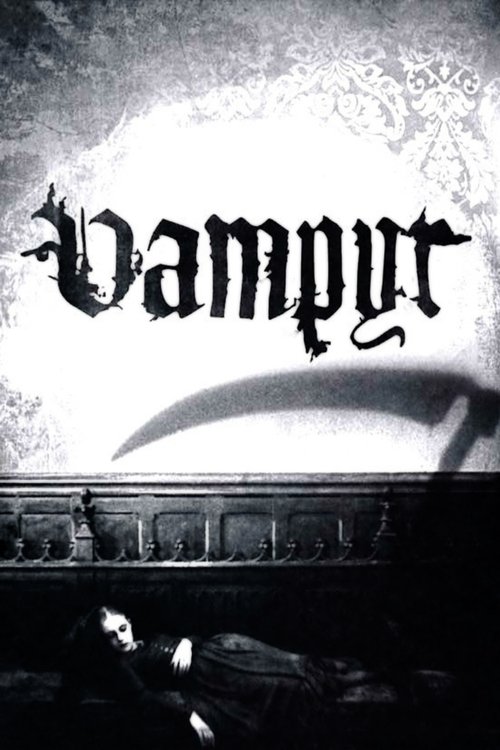 Vampyr (1932)
 Tabitha, Stand Up (1922)
- More like this film, on a shelf you can walk up to.It's the lit case on the top shelf.