Daybreak (1933)

- Original title
- 天明
- Directed by
- Sun Yu
- Genre
- drama film, silent film
- Country
- Republic of China
- Runtime
- 1h 56m
- Rating
- 6.6 of 10 from 8 voters
- Elsewhere
- IMDb

The catalogue in 3D
The film shelves have a room of their own that you can walk around in. The cat behind the counter is the AI Catbot, and they pick real films from the same catalogue when you tell them what you feel like watching. Nothing is for sale, here or in there. Go in from here and this film is already out on the counter, with more like it waiting on the shelf next to it.
How it feels
A young country girl moves from her fishing village to Shanghai with her cousin. She is betrayed by her sister and forced into prostitution before becoming a martyr for the revolution.
tragicmelancholichopefulgrittyromanticfast-pacedold-fashionedsentimental
What happens
Daybreak (Chinese: 天明; pinyin: tiānmíng) is a 1933 Chinese silent film, directed by Sun Yu. It was released by the Lianhua Film Company (United Photoplay Studio), premiered in Shanghai's Peking Theater on February 2, 1933. The film follows Lingling, a young country girl from a rural fishing village, as she moves to Shanghai with her cousin, Zhang. As Zhang drifts into revolutionary circles, Lingling falls into an unfortunate path. Sold to a corrupt boss who intoxicates and rapes her by her own sister, Lingling is forced into prostitution before eventually becoming a martyr for the oncoming revolution. Daybreak is supervised by Lo Ming Yau, with Lu Hanzhang as production director, Zhou Ke as cinematographer, and Fang Peilin as set designer. The film stars Li Lili, one of the biggest silent film stars of the period. It was a star vehicle for Li Lili in the early stages of her career, and the seventh film of director Sun Yu, who was the best-known auteur of Shanghai cinema during the 1920s. She had also portrayed a similar role involving seduction for espionage in Sun Yu's The Great Road (1934). The film was also created in commemoration and celebration of the Kuomintang Party's successful completion in the Northern Expedition. Director Sun Yu's films were intended for nationalist propaganda and Daybreak presents a narrative of redemption as a soft film - the concept where cinema is created as a form of entertainment and a means of aesthetic presentation above all else. The narrative openness encourages and allows for cinematic audiences to develop their own political interpretations and, in this film, for "left wing" or "pro-CCP" messages to emerge from its mise en abyme, apart from the apparent "pro-KMT" message. (from Wikipedia, CC BY-SA)
More like this
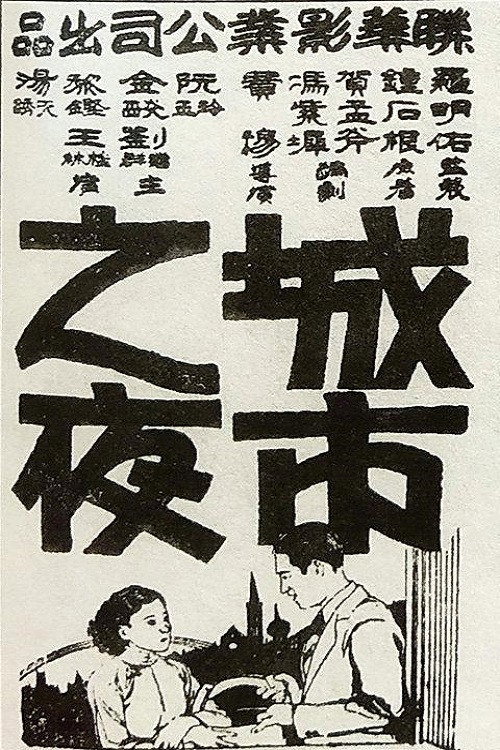 Night in the City (1933)
 The Light of Maternal Instinct (1933)
 The Goddess (1934)
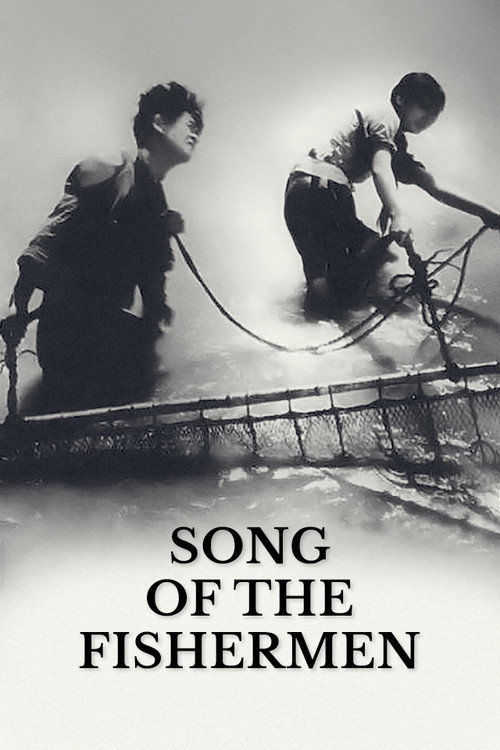 Song of the Fishermen (1934)
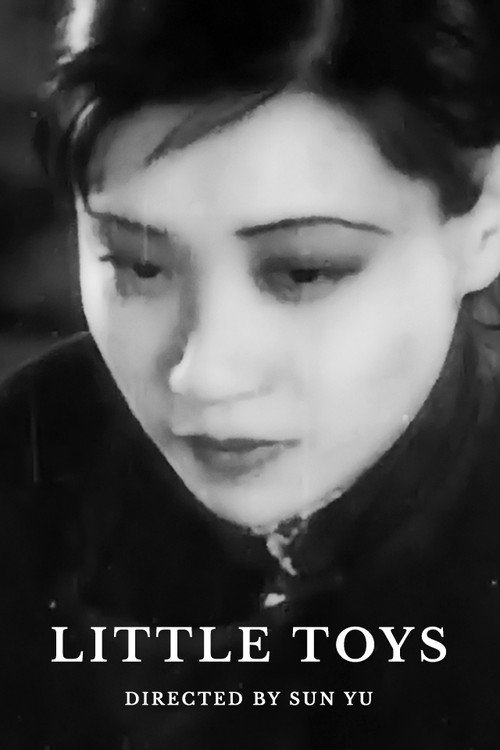 Little Toys (1933)
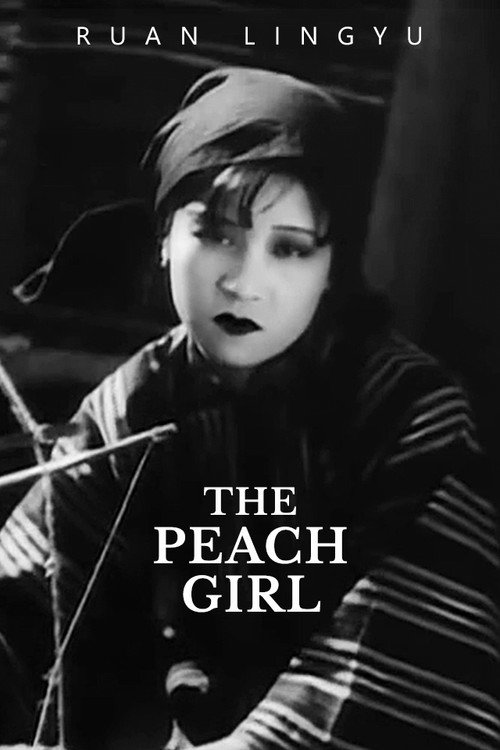 The Peach Girl (1931)
 Queen of Sports (1934)
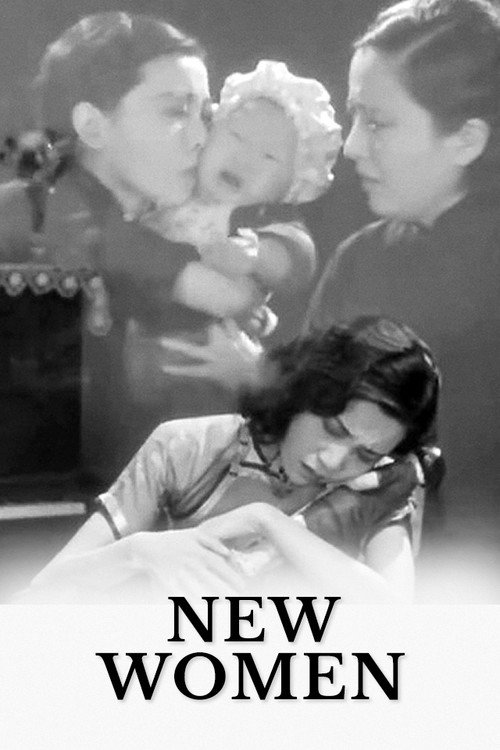 New Women (1935)
- More like this film, on a shelf you can walk up to.It's the lit case on the top shelf.