Street Angel (1937)

- Original title
- 馬路天使
- Directed by
- Yuan Muzhi
- Genre
- drama film
- Country
- Republic of China
- Runtime
- 1h 31m
- Rating
- 6.8 of 10 from 29 voters
- Elsewhere
- IMDb
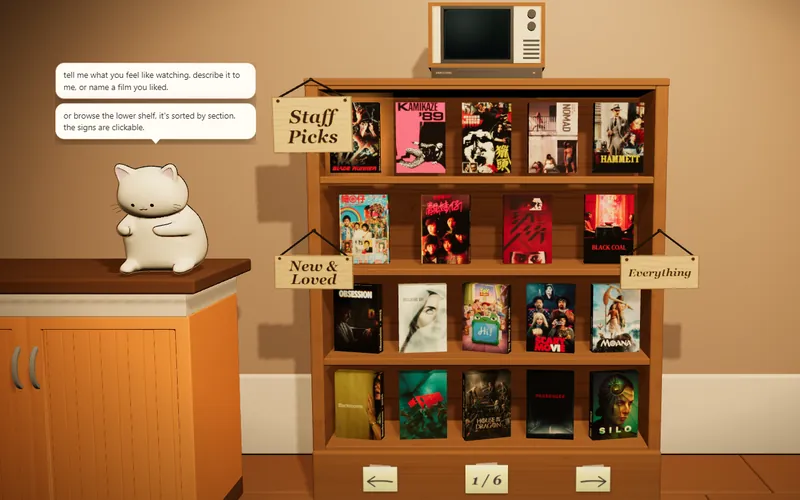
The catalogue in 3D
The film shelves have a room of their own that you can walk around in. The cat behind the counter is the AI Catbot, and they pick real films from the same catalogue when you tell them what you feel like watching. Nothing is for sale, here or in there. Go in from here and this film is already out on the counter, with more like it waiting on the shelf next to it.
How it feels
A band of struggling outcasts in 1930s Shanghai includes a tea house singer, a trumpet player, a newspaper hawker, and a prostitute. They try to get by and support each other through poverty and hardship in the city's slums.
poignantgrittybittersweetearthymelodramaticcomedictenderhumanisticlively
What happens
Street Angel (Chinese: 馬路天使; pinyin: Mǎlù tiānshǐ), also known as Street Angels, is a 1937 left-wing Chinese film directed by Yuan Muzhi (袁牧之) and released by Mingxing Film Company. Starring popular Chinese actor Zhao Dan (赵丹) and iconic Chinese singer Zhou Xuan (周璇), the story is set in the slums of Shanghai, chronicling the lives of a band of downtrodden underclass outcasts: a tea house singer, a trumpet player, a newspaper hawker, and a prostitute. By blending elements of romance, comedy and melodrama into the storyline, the characters find themselves in a variety of difficult situations as they try to navigate the hardships of the city during the 1930s. Released towards the end of the golden age of Shanghai cinema, the film is regarded as a masterpiece of the Chinese left-wing movement. Taking place during a time of national tension within the country, issues such as economic policy and military conflict are explored to raise awareness about some of China's most pressing concerns. Additionally, the depiction of an impoverished neighborhood in the midst of a contemporary city is a compelling examination of how modernization had affected China during this era. This fusion between the two also provides a commentary on the combined effects that modernization and colonialism had on Shanghai specifically. As one of China's earliest sound films, Street Angel also made a name for itself by popularizing two timeless ballads: “Song of the Seasons” (四季歌) and “The Wandering Songstress” (天涯歌女), both of which are still celebrated as classics of Chinese modern song evolution. (from Wikipedia, CC BY-SA)
More like this
 Crossroads (1937)
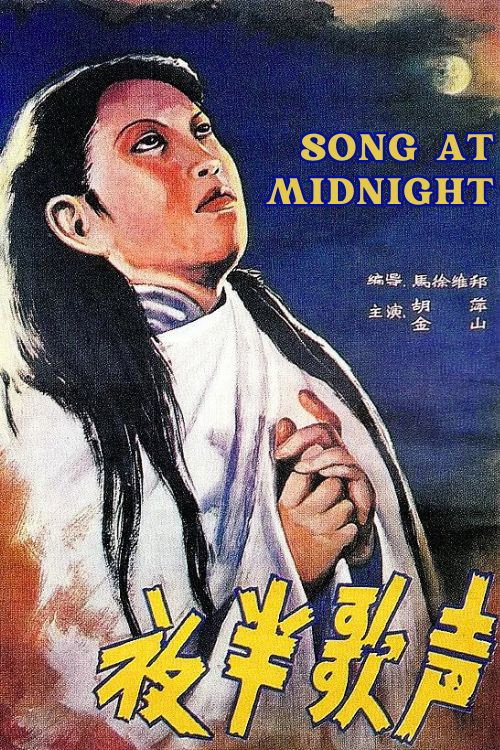 Song at Midnight (1937)
 Rhapsody of Happiness (1947)
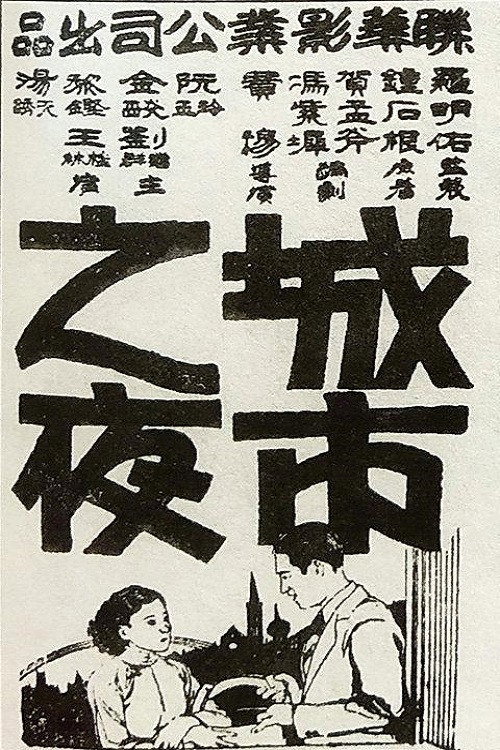 Night in the City (1933)
 The Goddess (1934)
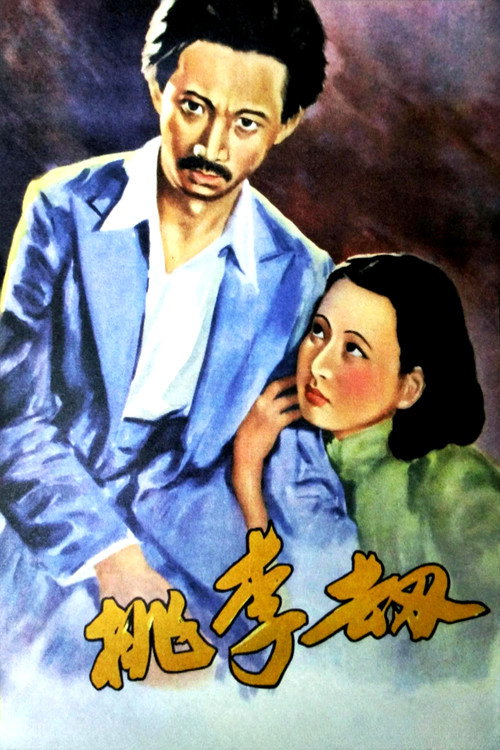 Plunder of Peach and Plum (1934)
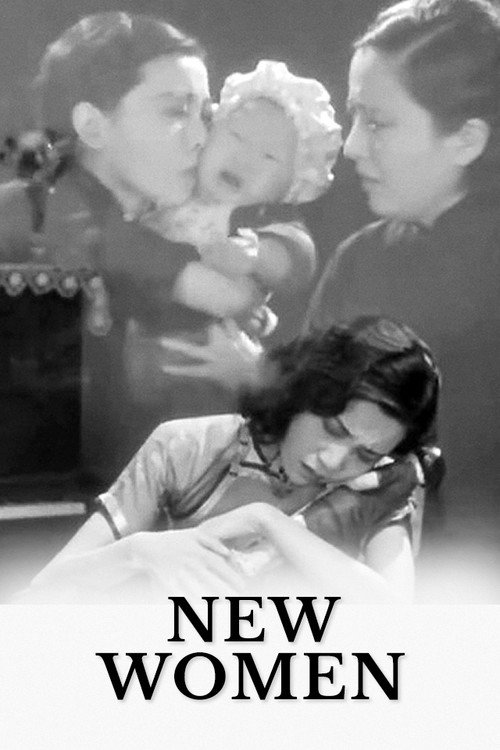 New Women (1935)
 800 Heroes (1938)
- More like this film, on a shelf you can walk up to.It's the lit case on the top shelf.