Song at Midnight (1937)
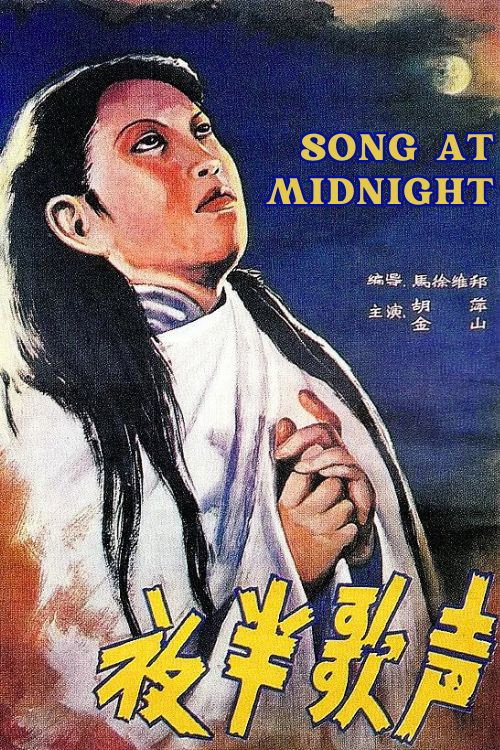
- Original title
- 夜半歌声
- Directed by
- Ma-Xu Weibang
- Genre
- drama film, horror film, romance film
- Country
- Republic of China
- Runtime
- 1h 53m
- Rating
- 6.0 of 10 from 30 voters
- Elsewhere
- IMDb
The catalogue in 3D
The film shelves have a room of their own that you can walk around in. The cat behind the counter is the AI Catbot, and they pick real films from the same catalogue when you tell them what you feel like watching. Nothing is for sale, here or in there. Go in from here and this film is already out on the counter, with more like it waiting on the shelf next to it.
How it feels
A disfigured musician haunts an abandoned opera house, where a young actor and his love interest become entangled in his tragic past. The story also involves the secret activities of leftist revolutionaries in pre-war China.
melancholicatmospherictenseemotionalgothicdramaticromanticunsettling
What happens
Song at Midnight (simplified Chinese: 夜半歌声; traditional Chinese: 夜半歌聲; pinyin: Yèbàn gēshēng, also known as Midnight Song, Singing at Midnight or literally "Midnight Voice") is a 1937 Chinese film directed by Ma-Xu Weibang, a director best known for his work in the horror genre. Often referred to as the first Chinese horror film, or as the first horror-musical, Song at Midnight draws influence from the 1923 film The Hunchback of Notre Dame, as well as the 1910 novel The Phantom of the Opera (Le Fantôme de l'Opéra) by Gaston Leroux and its 1925 film adaptation of the same name. Song at Midnight was released five months prior to the eruption of the Second Sino-Japanese War in China. The film's primary subplot concerns the activities of Chinese leftist revolutionaries, and did not easily evade the film censorship of Kuomintang, along with its serious punishment to films dealing with themes of horror, gods, spirits, or "superstition and heresy" at that time. With a passion to maintain his creation, and in order to successfully circumvent the censorship laws in China at the time, director Ma-Xu Weibang visited "Yiyong jun jinxing gu" (March of the Volunteers) writer Tian Han several times while writing the script. The pair met to ensure that the script would be approved under censorship. (from Wikipedia, CC BY-SA)
More like this
 Street Angel (1937)
 Crossroads (1937)
 Song at Midnight (1985)
 Blood on Wolf Mountain (1936)
 New Women (1935)
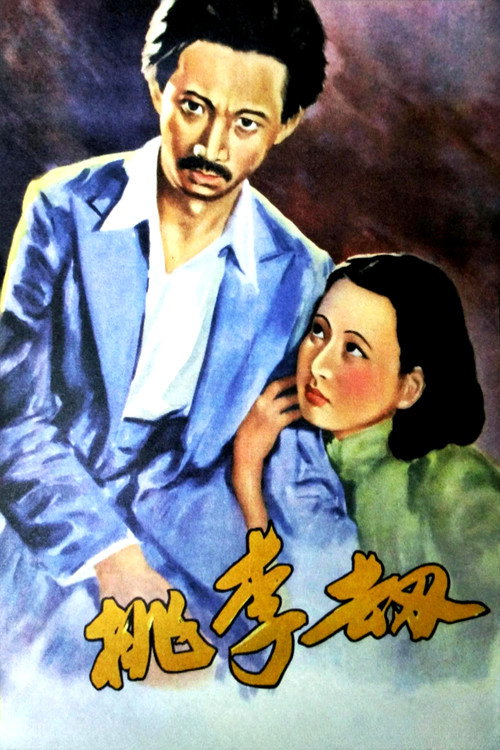 Plunder of Peach and Plum (1934)
 Volcanic Passions
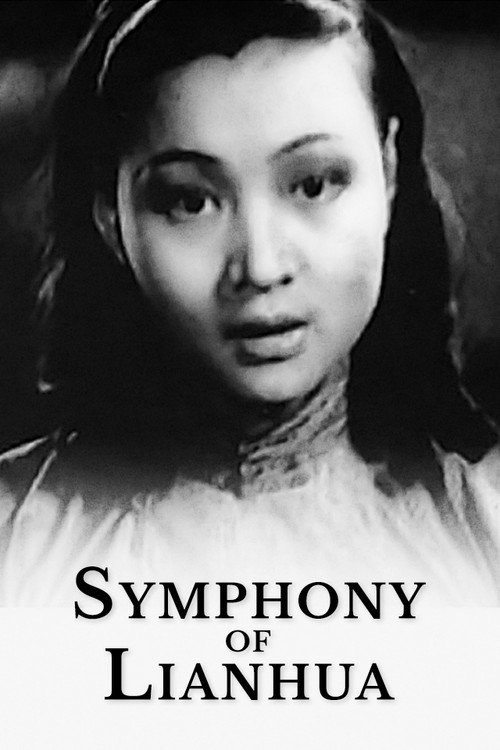 Lianhua Symphony (1937)
- More like this film, on a shelf you can walk up to.It's the lit case on the top shelf.