One Wonderful Sunday (1947)

- Original title
- 素晴らしき日曜日
- Directed by
- Akira Kurosawa
- Genre
- drama film, romance film, melodrama
- Country
- Japan
- Runtime
- 1h 48m
- Rated
- U
- Rating
- 7.2 of 10 from 92 voters
- Elsewhere
- IMDb

The catalogue in 3D
The film shelves have a room of their own that you can walk around in. The cat behind the counter is the AI Catbot, and they pick real films from the same catalogue when you tell them what you feel like watching. Nothing is for sale, here or in there. Go in from here and this film is already out on the counter, with more like it waiting on the shelf next to it.
How it feels
Young couple Yuzo and Masako have only 35 yen and one day each week to spend together in post-war Tokyo. They try to make their Sunday date feel special despite poverty and ruin. The film follows their small adventures and imaginative escapes.
tenderhopefulintimatepoignantquietearnestgently melancholicwistful
What happens
One Wonderful Sunday (Japanese: 素晴らしき日曜日, Hepburn: Subarashiki Nichiyōbi) is a 1947 Japanese film directed by Akira Kurosawa and co-written by Kurosawa and Keinosuke Uekusa. The film was produced by Sojiro Motoki for Toho and stars Chieko Nakakita and Isao Numazaki. It was made during the allied occupation of Japan and depicts a young couple who, with only 35 yen between them, go on a date together on the only day of the week they can see each other. The film makes use of sequences depicting characters' imagination and a creative use of sound. Conceived in the aftermath of a split within Toho resulting from a series of strikes, the film featured unknown actors and was shot on location in the destroyed city of Tokyo. The film, which depicts the challenges of life in early postwar Japan, was released in Japan on 1 July 1947. One Wonderful Sunday received mixed reception, but marked the first award Kurosawa received for his talent as a director. The film has been described as a shomin-geki, a style of realist cinema that focussed on the ordinary lives of the middle class. Reviews focussed on a fourth wall-breaking scene at the climax centred on Franz Schubert's Unfinished Symphony. The film has since been regarded as a point in Kurosawa's directorial career that established many themes in his work. (from Wikipedia, CC BY-SA)
More like this
 Marriage (1947)
 Phoenix (1947)
 The Love of the Actress Sumako (1947)
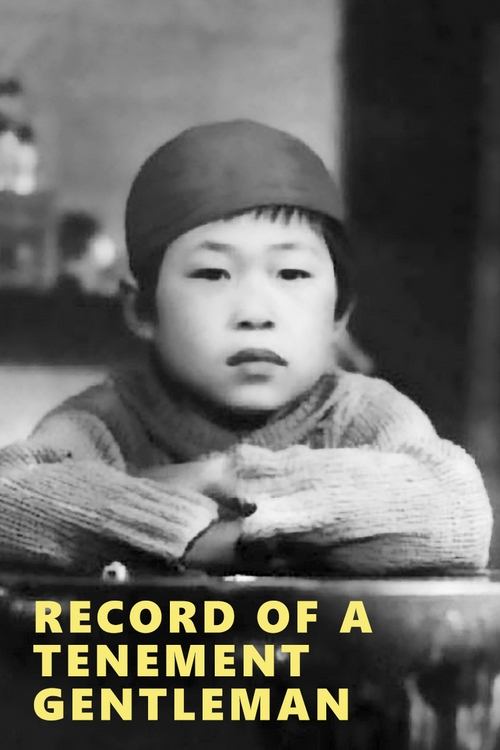 The Record of a Tenement Gentleman (1947)
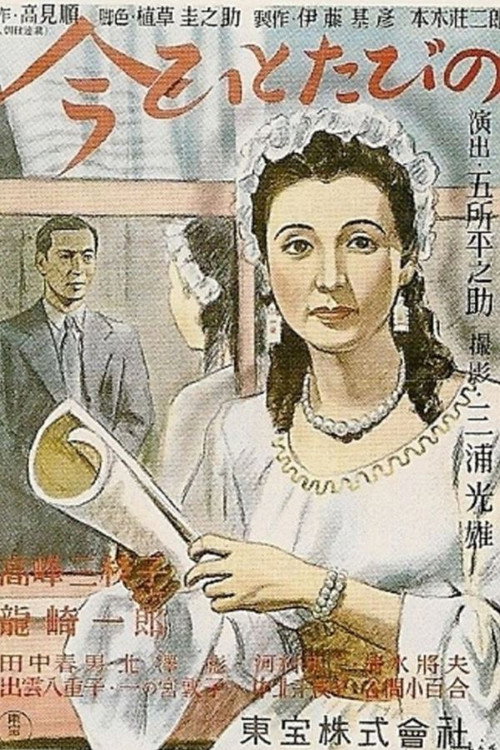 Once More (1947)
 Пламя любви (1947)
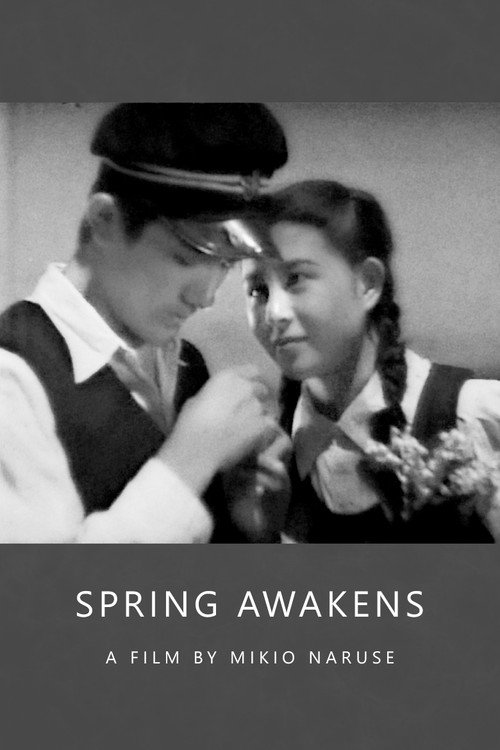 Spring Awakens (1947)
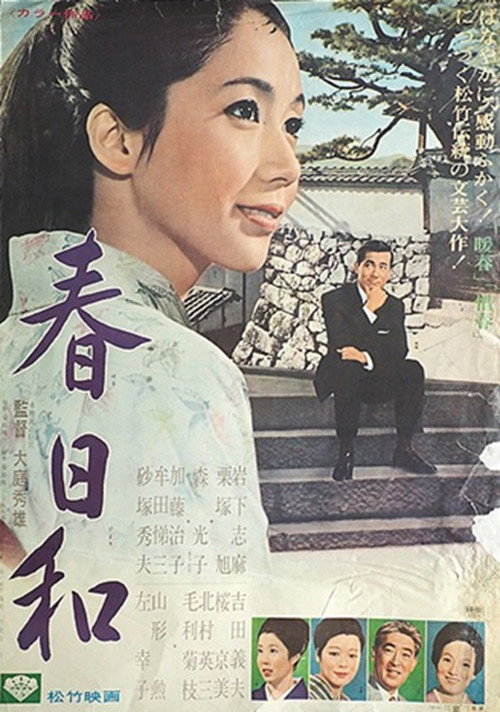 春日和 (1967)
- More like this film, on a shelf you can walk up to.It's the lit case on the top shelf.