The Greatest Story Ever Told (1965)
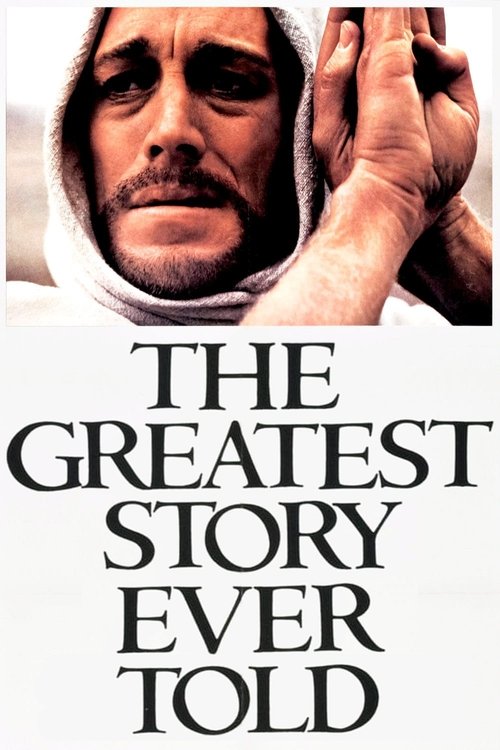
- Directed by
- David Lean, George Stevens
- Genre
- drama film, epic film, sword-and-sandal film, Christian film
- Country
- United States
- Runtime
- 3h 11m
- Rated
- G
- Rating
- 6.4 of 10 from 215 voters
- Elsewhere
- IMDb

The catalogue in 3D
The film shelves have a room of their own that you can walk around in. The cat behind the counter is the AI Catbot, and they pick real films from the same catalogue when you tell them what you feel like watching. Nothing is for sale, here or in there. Go in from here and this film is already out on the counter, with more like it waiting on the shelf next to it.
How it feels
This film retells the story of Jesus of Nazareth from his birth to his ascension into heaven. It follows the major events of his life as described in the Gospels.
solemngrandioseslow-pacedreverentepicbiblicalstatelyformaldramatic
What happens
The Greatest Story Ever Told is a 1965 American epic religious film that retells the Biblical account of Jesus of Nazareth, from the Nativity through to the Ascension. Produced and directed by George Stevens, the film features an ensemble cast and includes the final film performances of Claude Rains and Joseph Schildkraut. The origins of The Greatest Story Ever Told trace back to a half-hour radio series in 1947, inspired by the four canonical Gospels. The series was later adapted into a 1949 novel by Fulton Oursler. In 1954, Twentieth Century Fox acquired the film rights to Oursler's novel, but development stalled for several years. In November 1958, Stevens joined the project, agreeing to write and direct. However, in September 1961, Fox withdrew due to concerns over the film's projected cost and its thematic similarities to King of Kings (1961), another religious biopic about Jesus. A few months later, Stevens moved the project to United Artists. He opted to film in the Southwestern United States rather than the Middle East, and principal photography began on October 29, 1962. Filming fell behind schedule due to Stevens' meticulous shooting techniques, prompting David Lean and Jean Negulesco to assist with some sequences. Production concluded on August 1, 1963. The film premiered at the Warner Cinerama Theatre in New York City on February 15, 1965, receiving a polarized response from critics. It was also a box office disappointment, earning $15.5 million against a $20 million budget. Despite this, it received five Academy Award nominations. (from Wikipedia, CC BY-SA)
More like this
 King of Kings (1961)
 The Passion of the Christ (2004)
 Ben-Hur (1959)
 Jesus of Nazareth (1977)
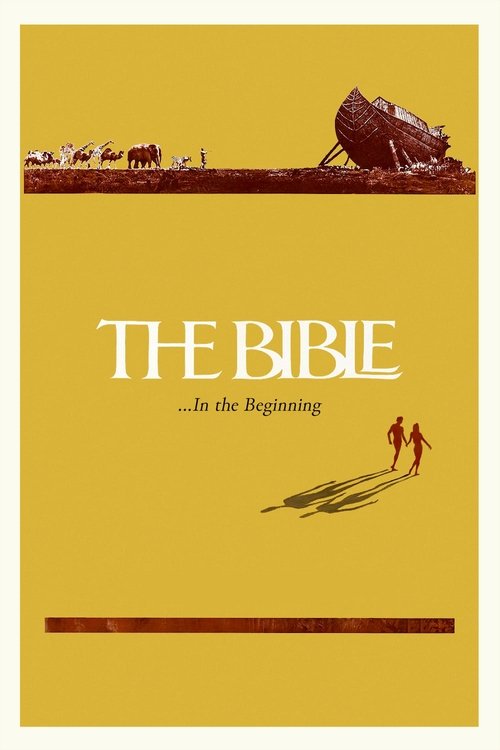 The Bible: In the Beginning... (1966)
 Jesus of Nazareth (2017)
 The Chosen (2017)
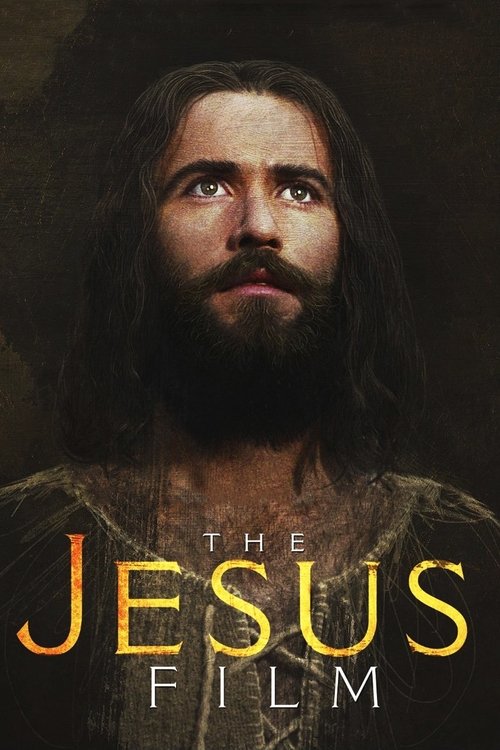 Jesus (1980)
- More like this film, on a shelf you can walk up to.It's the lit case on the top shelf.