King of Kings (1961)

- Directed by
- Nicholas Ray
- Genre
- drama film, biographical film, epic film, sword-and-sandal film
- Country
- United States
- Runtime
- 2h 44m
- Rated
- PG-13
- Rating
- 7.1 of 10 from 238 voters
- Elsewhere
- IMDb

The catalogue in 3D
The film shelves have a room of their own that you can walk around in. The cat behind the counter is the AI Catbot, and they pick real films from the same catalogue when you tell them what you feel like watching. Nothing is for sale, here or in there. Go in from here and this film is already out on the counter, with more like it waiting on the shelf next to it.
How it feels
This film retells the story of Jesus of Nazareth from his birth through his ministry to his crucifixion and resurrection. It follows the key events of his life as described in the New Testament.
reverentepicsolemnslow-pacedbiblicalorchestraldramaticinspirational
What happens
King of Kings is a 1961 American epic religious film directed by Nicholas Ray and produced by Samuel Bronston for Metro-Goldwyn-Mayer (MGM). Adapted from the New Testament, the film tells the story of Jesus of Nazareth from his birth and ministry to his crucifixion and resurrection. It stars Jeffrey Hunter as Jesus, with Siobhán McKenna, Robert Ryan, Viveca Lindfors, Ron Randell, Hurd Hatfield, Carmen Sevilla and Rip Torn and is narrated by Orson Welles. Throughout the 1950s, John Farrow began developing a proposed film project based on the life of Jesus, tentatively titled Son of Man. In November 1958, actual development started when Farrow partnered with Samuel Bronston following their collaboration on John Paul Jones (1959). By the next year, Farrow left the project due to creative differences, and Nicholas Ray was hired as director. Ray then hired screenwriter Philip Yordan to write a new script. Filming commenced in April 1960 and wrapped in October 1960. Financing of the film was initially provided by Pierre S. du Pont III and other private investors. During production, Bronston signed guarantee bonds with MGM, who became interested in the film following their success with Ben-Hur (1959). With MGM involved, mandatory rewrites and additional scenes were added to the film. Reshoots took place in December 1960 and again in May 1961. The film premiered at Loew's State Theatre in New York City on October 11, 1961. It premiered in Los Angeles on October 12 and opened there on October 13. During its initial release, it received mixed reviews from film critics, but was a box office success. Miklós Rózsa was nominated for a Golden Globe Award for Best Original Score. (from Wikipedia, CC BY-SA)
More like this
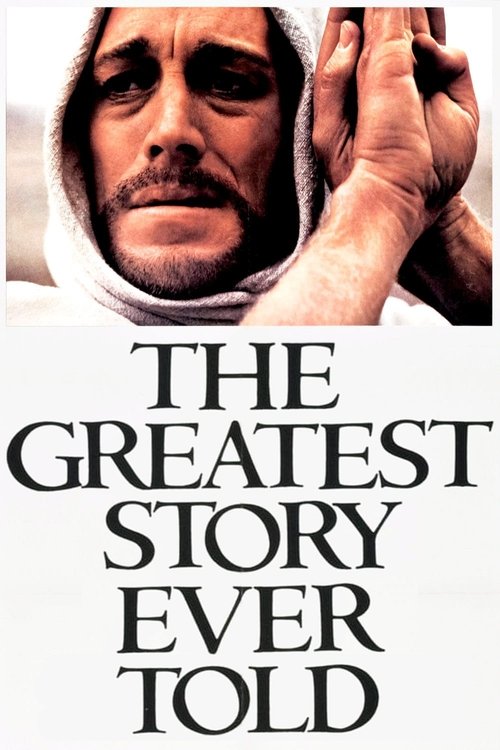 The Greatest Story Ever Told (1965)
 The Passion of the Christ (2004)
 Jesus of Nazareth (1977)
 Ben-Hur (1959)
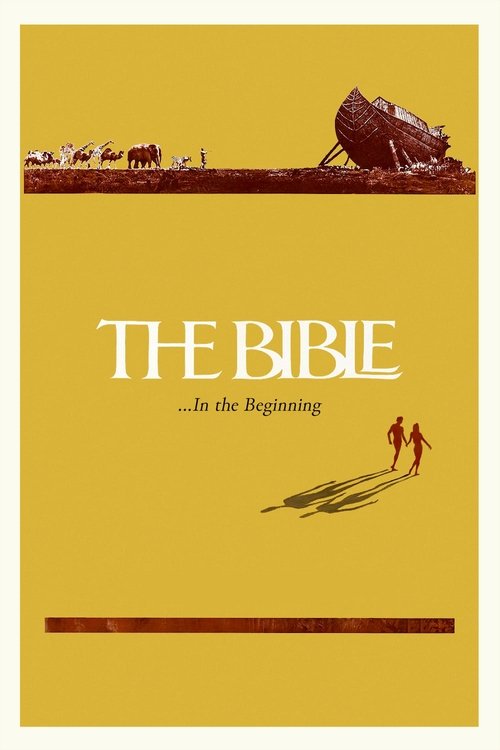 The Bible: In the Beginning... (1966)
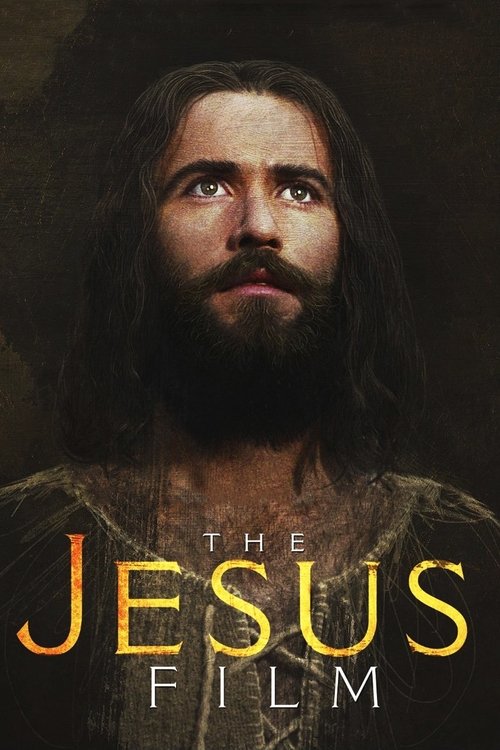 Jesus (1980)
 The Ten Commandments (1956)
 Jesus of Nazareth (2017)
- More like this film, on a shelf you can walk up to.It's the lit case on the top shelf.