Mingus: Charlie Mingus 1968 (1968)

- Directed by
- Thomas Reichman
- Genre
- documentary film
- Country
- United States
- Runtime
- 58 min
- Rating
- 7.2 of 10 from 4 voters
- Elsewhere
- IMDb

The catalogue in 3D
The film shelves have a room of their own that you can walk around in. The cat behind the counter is the AI Catbot, and they pick real films from the same catalogue when you tell them what you feel like watching. Nothing is for sale, here or in there. Go in from here and this film is already out on the counter, with more like it waiting on the shelf next to it.
How it feels
This documentary follows jazz musician Charles Mingus and his young daughter during a difficult time in 1966. They are being evicted from their New York apartment. The filmmaker talks with Mingus about his views on society, race, music, and family.
intimateunflinchingpersonalcontemplativegroundedrawconversational
What happens
Mingus: Charlie Mingus 1968 is a 1968 American documentary film directed by Thomas Reichman (1944-1975) that follows the later life of jazz musician Charles Mingus and his five-year-old daughter in 1966, as they are being evicted from his New York apartment for not paying the rent. Reichman talks with Mingus in a very personal setting as the film documents Mingus' outlook on society, women, music, his daughter, politics, and the country as a whole. The camera crew talks with Mingus conversationally and spends time with him and his daughter so that the film takes on an intimate air. The film highlights their way of life and how political and racial tensions affected people of the 1960s personally. The reason for Reichman's investigation into Mingus’ eviction was to show the lifestyle of a prominent jazz musician and to show how American society was structured during the Civil Rights era. At a time when the Jim Crow laws had recently been rescinded (Civil Rights Act of 1964 and Voting Rights Act of 1965), there were African Americans who didn't feel they were treated equally; in many cases they weren't. Throughout this film Mingus makes it clear that he believes that society is run for and by “white America” and goes on to say that if it were not for his standing as a jazz musician he would not be treated anywhere close to equally. In 2022, the film was selected for preservation in the United States National Film Registry by the Library of Congress as being "culturally, historically, or aesthetically significant". (from Wikipedia, CC BY-SA)
More like this
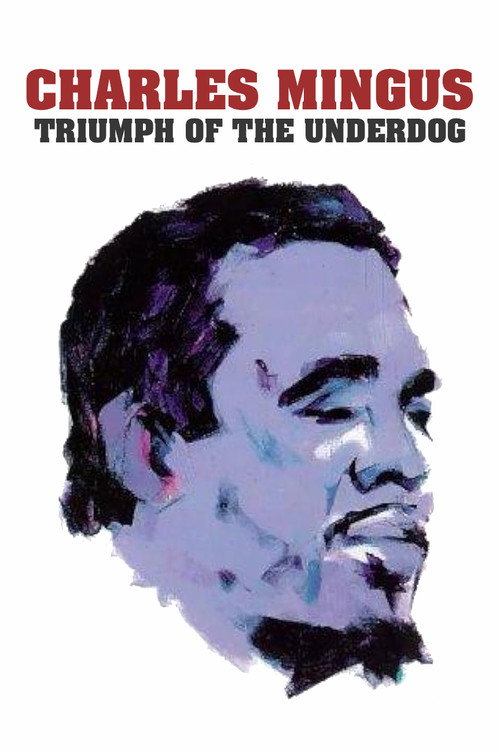 Charles Mingus: Triumph of the Underdog (1997)
 Birth And Death (1968)
 Still a Brother (1968)
 Baraka (1992)
 The Life of Jazz (1956)
 Black Roots (1970)
 Musikwettbewerb (1967)
 Thelonious Monk: Straight, No Chaser (1988)
- More like this film, on a shelf you can walk up to.It's the lit case on the top shelf.