Taking Tiger Mountain by Strategy (1970)

- Original title
- 智取威虎山
- Directed by
- Xie Tieli
- Genre
- musical film, propaganda film
- Country
- People's Republic of China
- Runtime
- 2h 09m
- Rating
- 5.6 of 10 from 5 voters
- Elsewhere
- IMDb

The catalogue in 3D
The film shelves have a room of their own that you can walk around in. The cat behind the counter is the AI Catbot, and they pick real films from the same catalogue when you tell them what you feel like watching. Nothing is for sale, here or in there. Go in from here and this film is already out on the counter, with more like it waiting on the shelf next to it.
How it feels
During the Chinese Civil War in 1946, a communist soldier goes undercover to infiltrate a bandit stronghold in the snowy forests. Based on a model opera, the film shows his efforts to defeat the enemy and liberate the local people.
patrioticheroictriumphantstylizedfast-pacedupliftingdidacticoperaticpropagandistic
What happens
Taking Tiger Mountain by Strategy (Chinese: 智取威虎山; pinyin: Zhìqǔ Wēihǔ Shān) is a Chinese film from 1970, during the height of the Cultural Revolution. The film was directed by Xie Tieli and was based on a contemporary Beijing opera, one of the eight model plays allowed during the Cultural Revolution. The story is based on the novel Lin hai xue yuan (林海雪原), and tells the story of an incident in 1946, during the Chinese Civil War. Taking Tiger Mountain by Strategy has been identified as one of the most watched films of all time. Official Chinese government statistics claimed a total audience of 7.3 billion through the end of 1974, meaning every citizen of China had seen the film at least seven times. The large audience can be attributed to the fact that few films were produced during the Cultural Revolution, and almost all earlier films were banned; nevertheless, the average village held ten film showings per year, and failure to attend could have been seen as a sign of political deviation. Hence, Chinese citizens would have been expected to see the film multiple times during the Cultural Revolution era. (from Wikipedia, CC BY-SA)
More like this
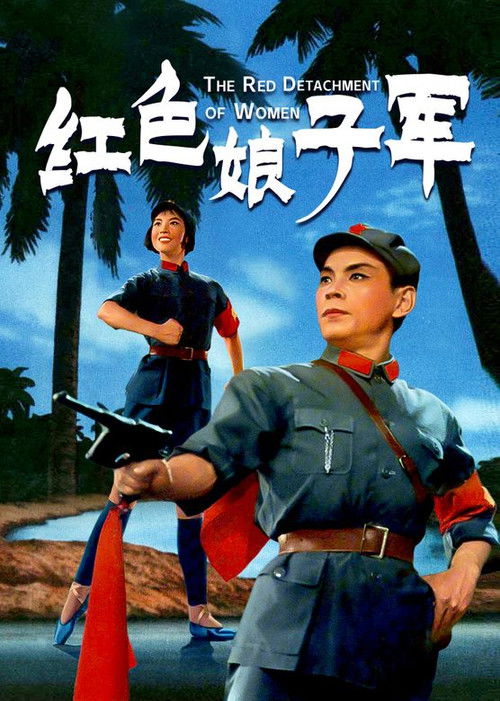 The Red Detachment of Women (1970)
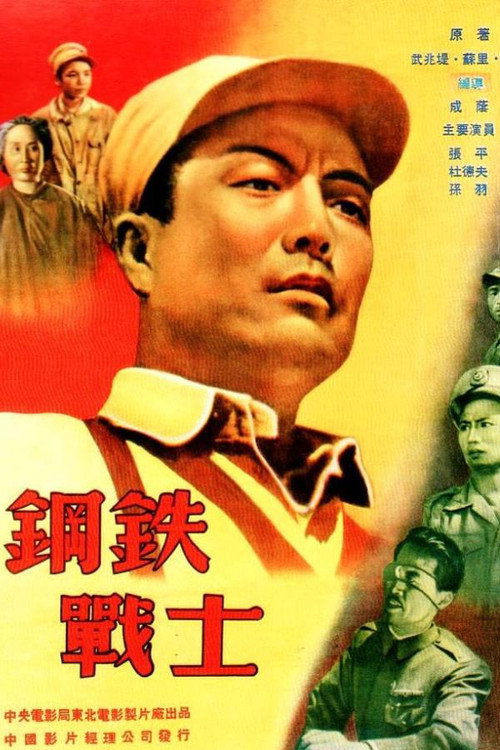 Iron Soldier (1950)
 Devils on the Doorstep (2000)
 The Red Sun (1963)
 Shu guang (1979)
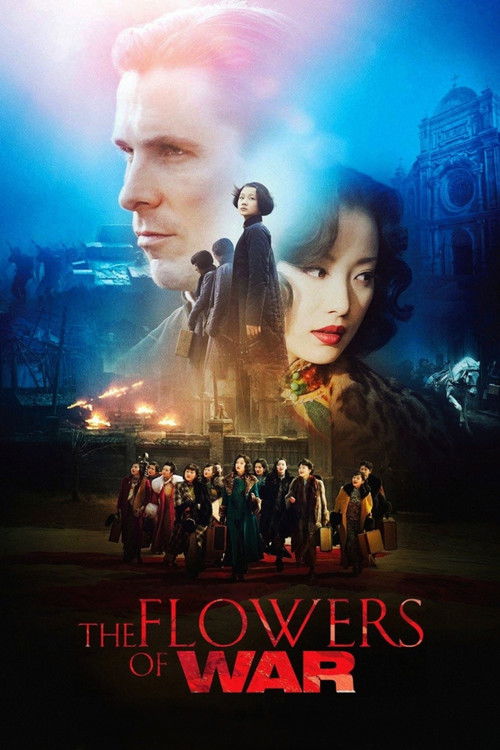 The Flowers of War (2011)
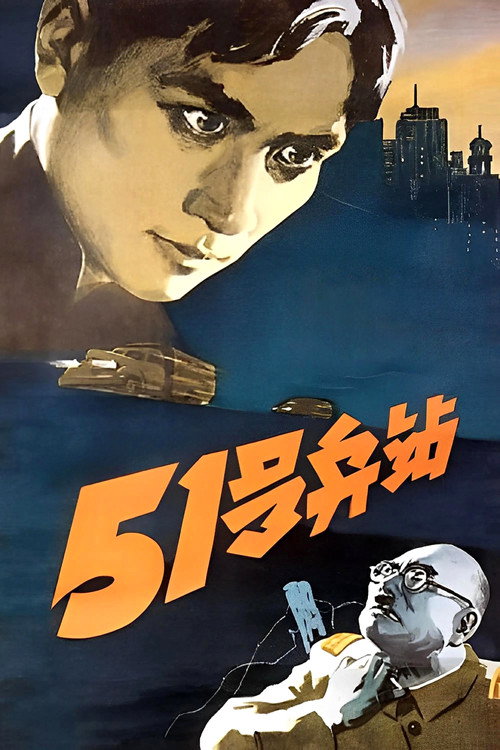 51 Depot (1960)
 红珊瑚 (1961)
- More like this film, on a shelf you can walk up to.It's the lit case on the top shelf.