Kanchana Sita (1977)
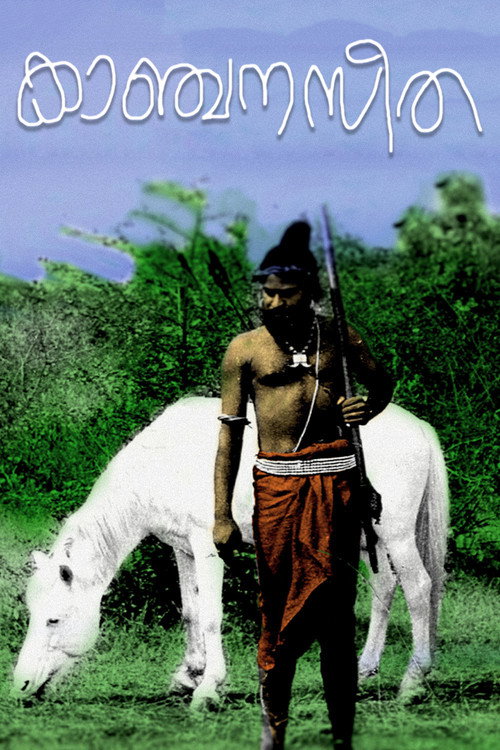
- Original title
- കാഞ്ചനസീത
- Directed by
- G. Aravindan
- Genre
- drama film
- Country
- India
- Runtime
- 1h 30m
- Rating
- 6.5 of 10 from 12 voters
- Elsewhere
- IMDb
The catalogue in 3D
The film shelves have a room of their own that you can walk around in. The cat behind the counter is the AI Catbot, and they pick real films from the same catalogue when you tell them what you feel like watching. Nothing is for sale, here or in there. Go in from here and this film is already out on the counter, with more like it waiting on the shelf next to it.
How it feels
This film retells a story from the Ramayana where Rama sends his wife Sita to the forest because of his subjects' doubts. Sita is never shown; instead her presence is felt through the forest and nature. The movie focuses on the perspective of the tribal people who play the epic characters.
contemplativemeditativeslow-burnpoeticatmosphericminimalistphilosophicalunseen-presence
What happens
Kanchana Sita (Golden Sita) (Malayalam :കാഞ്ചന സീത) is a 1977 Indian Malayalam feature-length film scripted and directed by G. Aravindan. A mythological film, its story was adapted from C. N. Sreekantan Nair's play of the same name, which is a reworking of Valmiki's Ramayana. The film interprets a story from the Uttara Kanda of the epic poem Ramayana, where Rama sends his wife, Sita, to the jungle to satisfy his subjects. Sita is never actually seen in the film, but her virtual presence is compellingly evoked in the moods of the forest and the elements. The film retells the epic from a feminist perspective. It was shot in the interior tribal areas of Andhra Pradesh. The roles of the epic heroes are played by Rama Chenchu tribal people, who claim lineage to the mythological Rama. Director Aravindan interweaves the Samkhya-Yoga philosophical concepts of Prakriti-Purusha bonds throughout the film. The film was produced by K. Ravindran Nair under the banner of General Pictures. The film features an original score by classical musician Rajeev Taranath, cinematography by cinematographer-turned-director Shaji N. Karun, editing by Ramesan, and art direction by Artist Namboothiri. The film became a major critical success upon its release in 1977, although a few mainstream critics panned it. It is credited with being at the forefront of a trend towards independent filmmaking in South India. The film earned Aravindan the National Film Award for Best Direction. (from Wikipedia, CC BY-SA)
More like this
 Shri Ram Vanvas (1977)
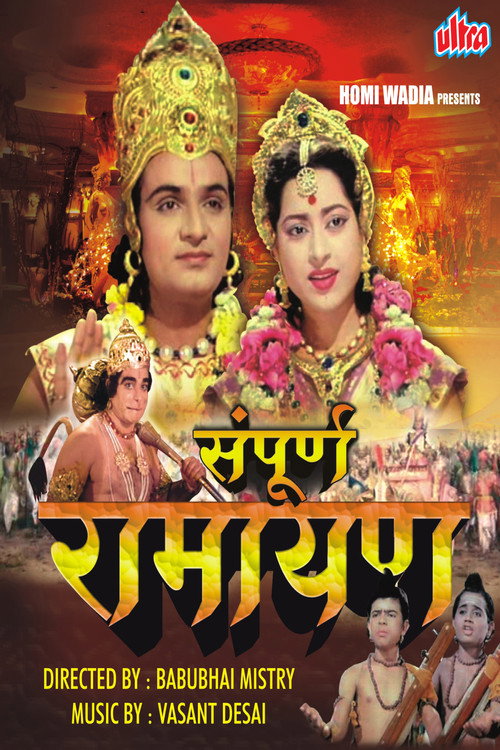 Sampoorna Ramayana (1961)
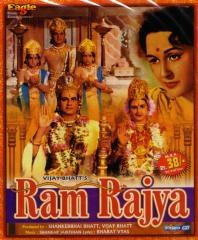 Ram Rajya (1967)
 Lava Kusa (1934)
 Sampoorna Ramayanam (1958)
 Sampoorna Ramayanam (1971)
 Sreemad Bhagavad Geetha (1977)
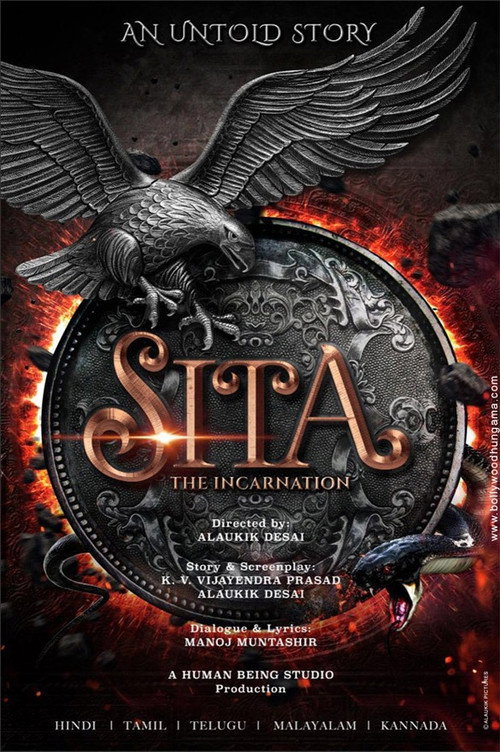 Sita: The Incarnation
- More like this film, on a shelf you can walk up to.It's the lit case on the top shelf.