An Emissary of No Return (1984)

- Original title
- 돌아오지 않은 밀사
- Directed by
- Shin Sang-ok, Choi Eun-hee
- Genre
- historical play
- Country
- North Korea
- Runtime
- 2h 12m
- Rating
- 9.0 of 10 from 1 voters
- Elsewhere
- IMDb

The catalogue in 3D
The film shelves have a room of their own that you can walk around in. The cat behind the counter is the AI Catbot, and they pick real films from the same catalogue when you tell them what you feel like watching. Nothing is for sale, here or in there. Go in from here and this film is already out on the counter, with more like it waiting on the shelf next to it.
How it feels
This North Korean historical drama retells the story of the Hague Secret Emissary Affair of 1907. Emperor Gojong secretly sent three emissaries to an international conference to protest Japan's takeover of Korea. The film follows Ri Jun, one of those emissaries, as he tries to get the world powers to reverse the treaty that took away Korea's sovereignty.
solemnpatriotichistoricaldramaticrestrainedtraumaticstatelyearnest
What happens
An Emissary of No Return (Korean: 돌아오지 않은 밀사) is a 1984 North Korean historical drama film directed by Shin Sang-ok and Choi Eun-hee. Shin also wrote the script. It was the first of four films Shin and Choi made during their abduction to North Korea under the orders of Kim Jong Il. Adapted from Bloody Conference (Korean: 혈분만국회; Hanja: 血憤萬國會), a play allegedly written by Kim Il Sung during his guerrilla years, the film retells the dramatized story of the Hague Secret Emissary Affair. The affair ensued when the Korean Emperor Gojong sent three unauthorized emissaries to the talks of the Hague Convention of 1907. The film focuses on the deeds of Ri Jun (played by Kim Jun-sik), one of the emissaries. The emissaries were to protest against Korea's occupation by Japan to the international community in order to get the great powers to overturn the Japan–Korea Treaty of 1905. The emissaries were refused because Korea had lost its sovereignty and its external affairs were now handled by Japan. Although in reality the Hague affair was an unremarkable diplomatic effort, a commonly believed myth among Koreans is that Ri Jun committed suicide inside the conference hall. An Emissary of No Return portrays this dramatized version in the form of a nationalist melodrama. An Emissary of No Return was shot on-location in several Eastern Bloc countries, primarily Czechoslovakia, as well as in North Korea. The film features various elements never seen before in North Korean cinema, including crediting individual crew members, Western actors in roles of Westerners, and stock footage of The Hague, a Western location. After enthusiastic domestic reception, the film was sent to the Karlovy Vary Film Festival, where it won the Special Jury Prize for Best Director. The award went to Choi Eun-hee, because the film credits her as the main director. In North Korea, the film was used for propaganda, in spite of Shin Sang-ok's attempts not to make an overtly propagandist film. Limited releases were made abroad. (from Wikipedia, CC BY-SA)
More like this
 불멸의 밀사 (1947)
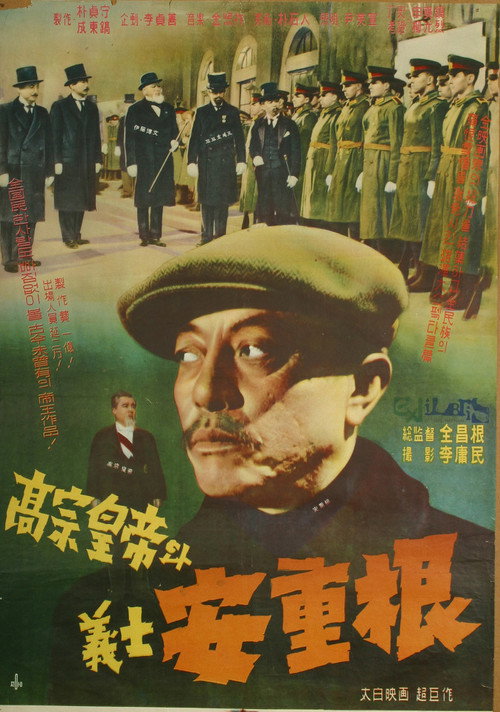 King Gojong and Martyr An Jung-Geun (1959)
 Runaway (1984)
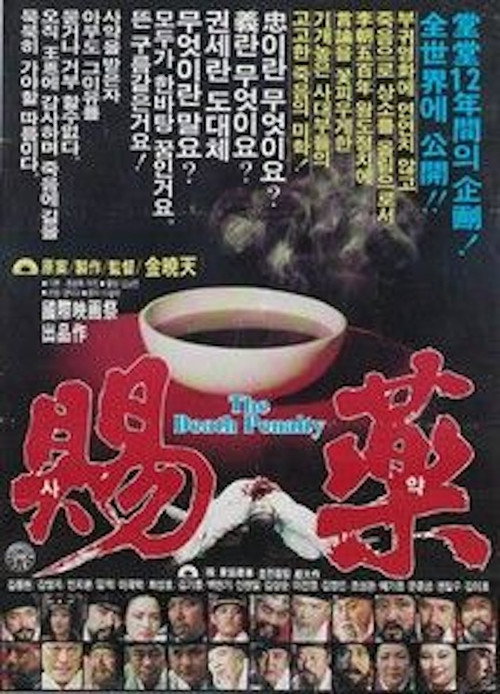 The King's Poison (1984)
 The Cloud Bridge of Gratitude (1963)
 Love, Love, My Love (1985)
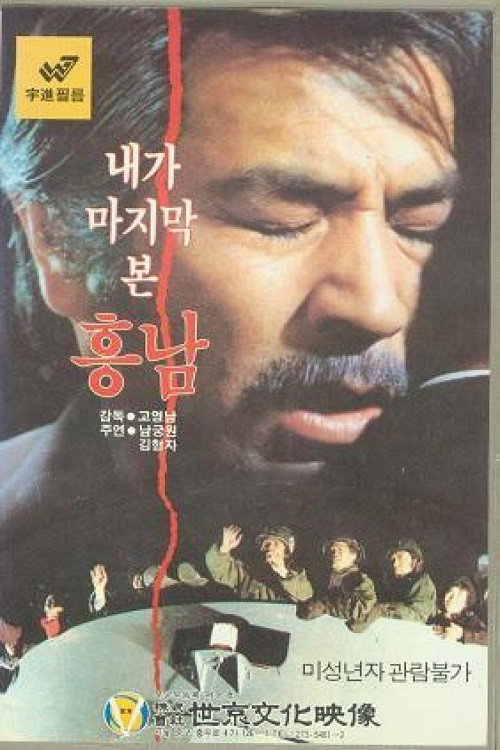 Heungnam City That I Saw Last (1984)
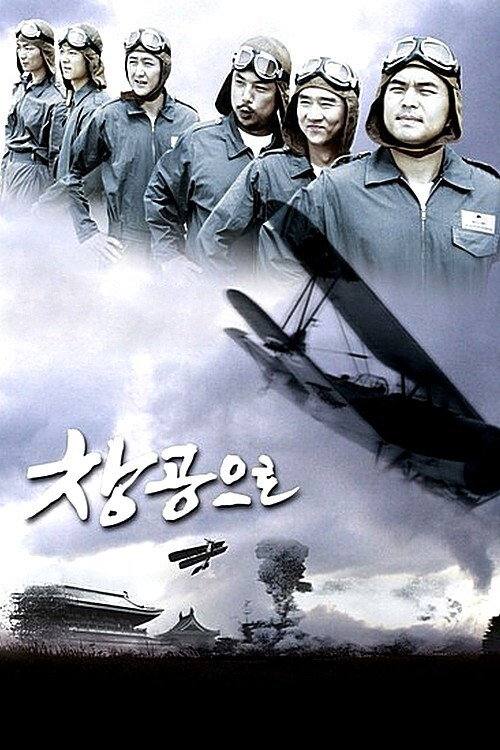 Blue Sky (2006)
- More like this film, on a shelf you can walk up to.It's the lit case on the top shelf.