Varalaru (2006)
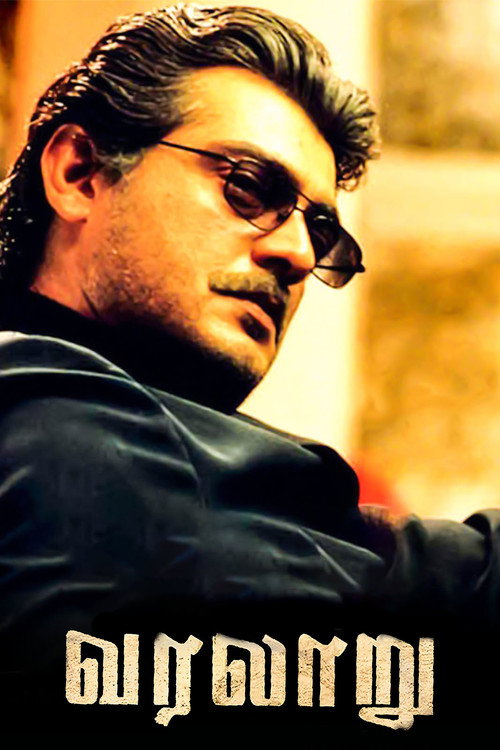
- Original title
- வரலாறு
- Directed by
- K. S. Ravikumar
- Genre
- family film
- Country
- India
- Runtime
- 2h 46m
- Rated
- UA
- Rating
- 6.4 of 10 from 19 voters
- Elsewhere
- IMDb
The catalogue in 3D
The film shelves have a room of their own that you can walk around in. The cat behind the counter is the AI Catbot, and they pick real films from the same catalogue when you tell them what you feel like watching. Nothing is for sale, here or in there. Go in from here and this film is already out on the counter, with more like it waiting on the shelf next to it.
How it feels
A man and his two twin sons, all played by the same actor, find their lives intertwined in a story of family conflict and loyalty. The film follows their relationships and struggles across a timeline of secrets and revenge.
action-packedemotionaldramaticfast-pacedintensefamily-centricmusicalmelodramatic
What happens
Varalaru: History Of Godfather, or simply known as Varalaru (transl. History), is a 2006 Indian Tamil-language neo-noir action thriller film co-written and directed by K. S. Ravikumar, and produced by S. S. Chakravarthy under the banner NIC Arts. The film stars Ajith Kumar in the main triple lead role as a father and his two twin sons. Asin, Kanika, Ramesh Khanna, Suman Setty, Sujatha and M. S. Baskar play supporting roles. The film's soundtrack and background score were composed by A. R. Rahman. Prior to its release, the film was known by the title Godfather, but following the Government of Tamil Nadu's motion to exempt tax on films titled in Tamil, the title was changed to Varalaru. After two years of production, the film was released on 20 October 2006 on the eve of Diwali, and emerged as the highest-grossing movie of the year in Tamil Nadu, & 2nd highest grossing Tamil movie of the year after Vettaiyaadu Vilaiyaadu. The film has been remade in Kannada, titled after the original title of the film, in Burmese as Nat Khat Mhar Tae Tite Pwal, and in Odia as Tu Mo Dehara Chhai. (from Wikipedia, CC BY-SA)
More like this
 Thangigagi (2006)
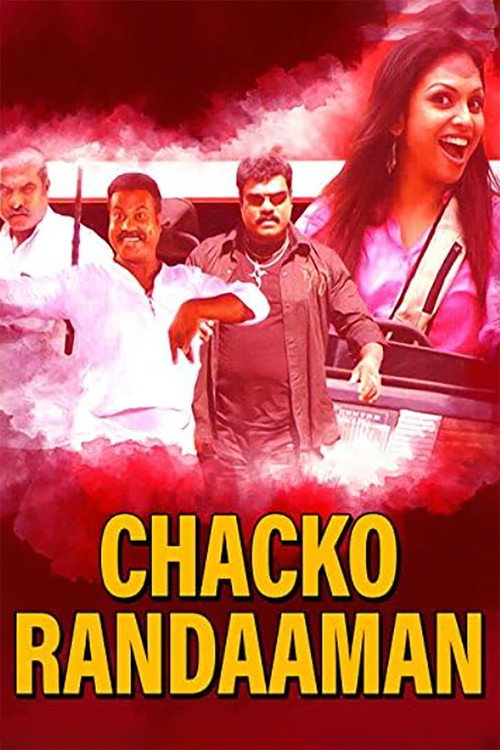 Chacko Randaaman (2006)
 Thalaimagan (2006)
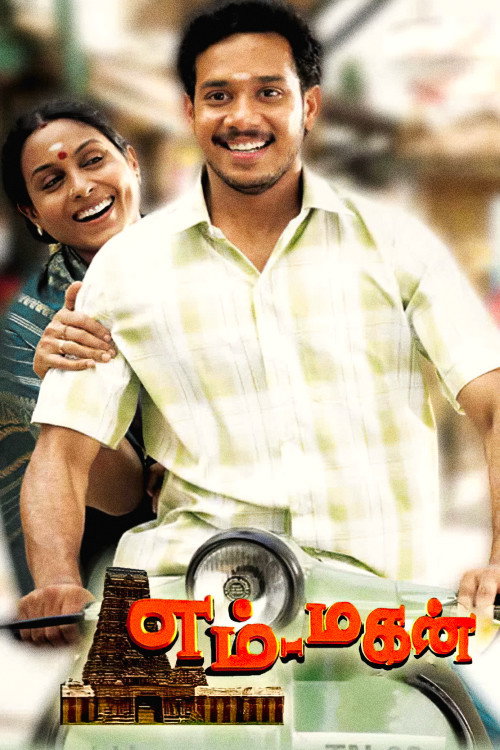 Emmtan-Magan (2006)
 శివకాశి (2006)
 Thandege Thakka Maga (2006)
 Agnipath (2005)
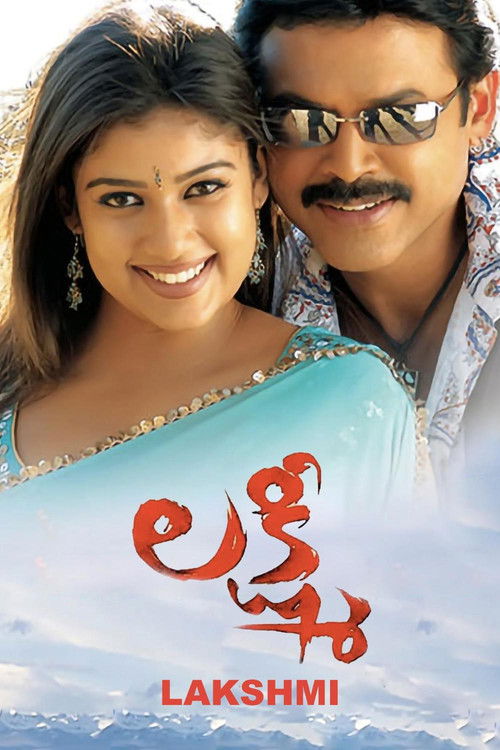 Lakshmi (2006)
- More like this film, on a shelf you can walk up to.It's the lit case on the top shelf.