Autism Every Day (2006)

- Directed by
- Lauren Thierry
- Genre
- documentary film
- Country
- United States
- Runtime
- 46 min
- Rating
- 1.0 of 10 from 1 voters
- Elsewhere
- IMDb
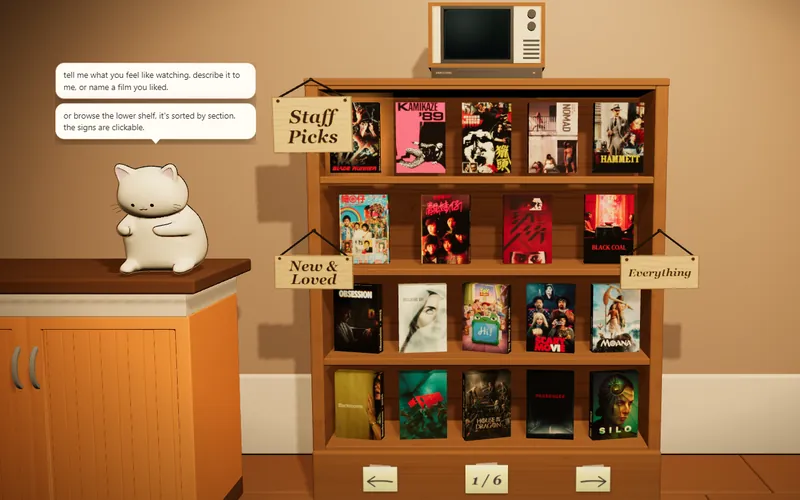
The catalogue in 3D
The film shelves have a room of their own that you can walk around in. The cat behind the counter is the AI Catbot, and they pick real films from the same catalogue when you tell them what you feel like watching. Nothing is for sale, here or in there. Go in from here and this film is already out on the counter, with more like it waiting on the shelf next to it.
How it feels
This 2006 documentary follows mothers of autistic children. It shows their daily lives and challenges through interviews and home footage.
intimaterawhonestsomberpersonalobservationalquietfocused
What happens
Autism Every Day is a controversial 2006 documentary film sponsored by Autism Speaks, and produced by Lauren Thierry, Jim Watkins and Eric Solomon. It follows mothers of autistic children, and consists mainly of interviews with the mothers. A 13-minute version of Autism Every Day debuted at a fundraiser named "A New Decade for Autism" in New York City on May 9, 2006, and made its mainstream debut on Don Imus show on MSNBC the following day. It was selected by the Sundance Institute as a special screening film at the 2007 Sundance Film Festival. A 7-minute version of the film was also uploaded to Autism Speaks' YouTube Channel, however as of 2021, the video was marked "Private" due to a change in YouTube policy that automatically marked private all "unlisted" videos dated December 31, 2016 or earlier. The New York Observer said the film was a short documentary film ... about the lives of mothers of autistic kids. The film consists mainly of interviews with mothers (and scenes of them with their autistic children), mothers whose lives have been utterly transformed. The situation of these mothers is just unrelieved, unrelenting. According to Stuart Murray, author of Representing Autism: Culture, Narrative, Fascination, disability rights advocates criticized the film for categorizing the condition as "one of problems and difficulties, especially for parents", while ignoring the positive aspects. Additionally, criticism stemmed from an interview in the film where a mother said she had contemplated driving off a bridge with her autistic daughter. (from Wikipedia, CC BY-SA)
More like this
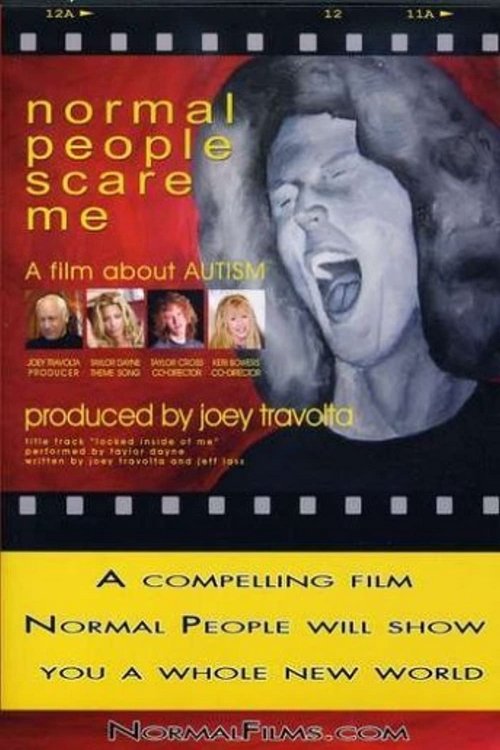 Normal People Scare Me (2006)
 Refrigerator Mothers (2003)
 Too Sane for This World (2011)
 Autism: The Musical (2007)
 Neurotypical (2013)
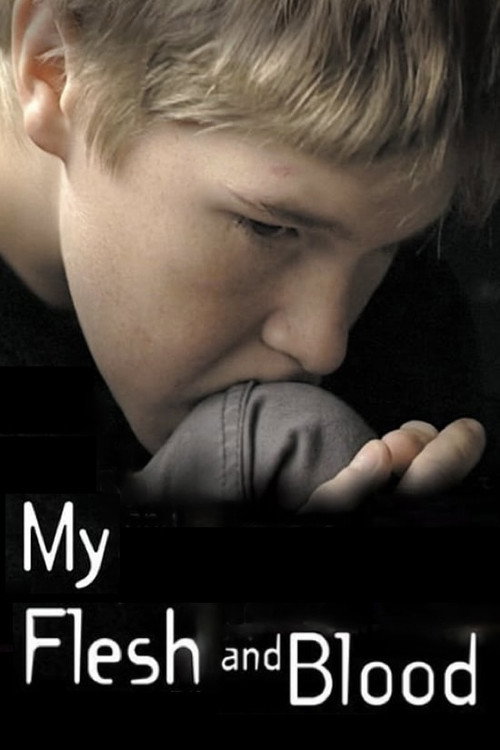 My Flesh and Blood (2003)
 A Long Way from Nowhere (1970)
 Recovered: Journeys Through the Autism Spectrum and Back (2008)
- More like this film, on a shelf you can walk up to.It's the lit case on the top shelf.