Mughal E Azam

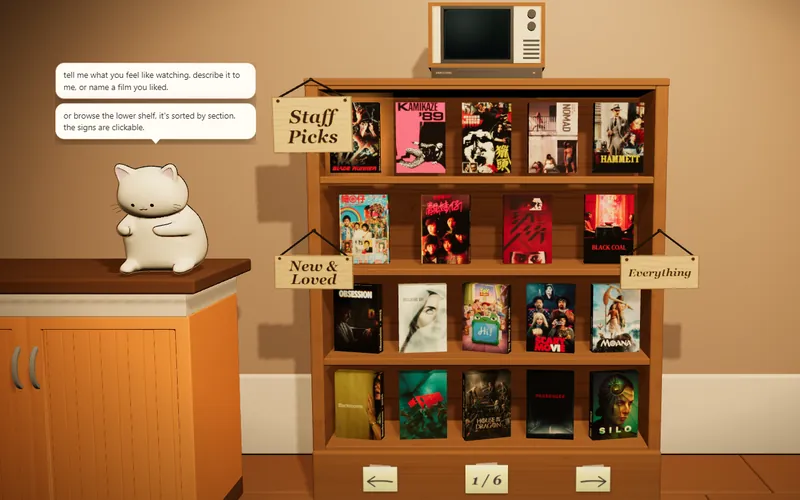
The catalogue in 3D
The film shelves have a room of their own that you can walk around in. The cat behind the counter is the AI Catbot, and they pick real films from the same catalogue when you tell them what you feel like watching. Nothing is for sale, here or in there. Go in from here and this film is already out on the counter, with more like it waiting on the shelf next to it.
How it feels
A Mughal prince falls in love with a court dancer but his father the emperor forbids the relationship. The prince's defiance leads to a conflict that splits the royal family.
epicromantictragicgrandintensemelodramaticvisually opulentemotional
What happens
Mughal-e-Azam (transl. The Great Mughal) is a 1960 Indian epic historical drama film produced and directed by K. Asif. Starring Prithviraj Kapoor, Dilip Kumar, Madhubala, and Durga Khote, it follows the love affair between Mughal Prince Salim (who went on to become Emperor Jahangir) and Anarkali, a court dancer. Salim's father, Emperor Akbar, disapproves of the relationship, which leads to a war between father and son. The development of Mughal-e-Azam began in 1944, when Asif read the 1922 play Anarkali, by playwright Imtiaz Ali Taj, which is set in the reign of Emperor Akbar (1556–1605). Production was plagued by delays and financial uncertainty. Before its principal photography began in the early 1950s, the project had lost a financier and undergone a complete change of cast. Mughal-e-Azam cost more to produce than any previous Indian motion picture; the budget for a single song sequence exceeded that typical for an entire film of the period. The soundtrack, inspired by Indian classical and folk music, comprises 12 songs voiced by playback singer Lata Mangeshkar along with Mohammed Rafi, Shamshad Begum, and classical singer Bade Ghulam Ali Khan, and is often cited among the finest in the history of Hindi cinema. Mughal-e-Azam had the widest release of any Indian film up to that time, and patrons often queued all day for tickets. Released on 5 August 1960, it broke box office records in India and became the highest-grossing Indian film, a distinction it held for 15 years. The accolades awarded to the film include one National Film Award and three Filmfare Awards at the 8th Filmfare Awards. Roughly 30 minutes were filmed in colour; decades after its release Mughal-e-Azam was the first black-and-white Hindi film to be fully digitally coloured, and the first in any language to be given a theatrical re-release. The colour version, released on 12 November 2004, was also a commercial success. The film is widely considered to be a milestone for its genre, earning praise from critics for its grandeur and attention to detail, and the performances of its cast (especially that of Madhubala, who earned a nomination for the Filmfare Award for Best Actress). Film scholars have welcomed its portrayal of enduring themes, but question its historical accuracy. It was the most expensive Indian film made until then. (from Wikipedia, CC BY-SA)
More like this
 Mughal-e-Azam (1960)
 Anarkali (1958)
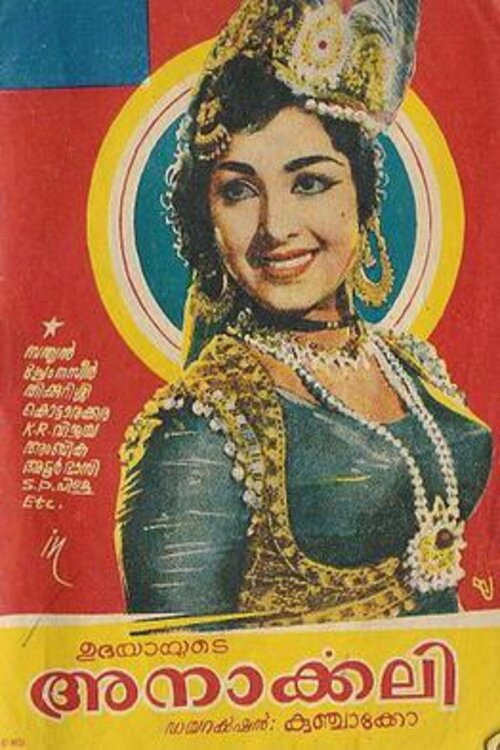 Anarkali (1966)
 Anarkali (1955)
 Thoorpu Padamara
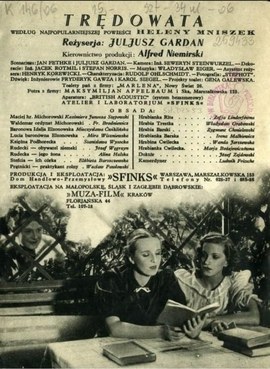 The Leper
 Mughal-e-Azam (musical)
 Bekhudi (2021)
- More like this film, on a shelf you can walk up to.It's the lit case on the top shelf.