Spring Silkworms (1933)

- Original title
- 春蚕
- Directed by
- Cheng Bugao
- Genre
- drama film, silent film
- Country
- People's Republic of China
- Runtime
- 1h 36m
- Rating
- 6.4 of 10 from 7 voters
- Elsewhere
- IMDb

The catalogue in 3D
The film shelves have a room of their own that you can walk around in. The cat behind the counter is the AI Catbot, and they pick real films from the same catalogue when you tell them what you feel like watching. Nothing is for sale, here or in there. Go in from here and this film is already out on the counter, with more like it waiting on the shelf next to it.
How it feels
A poor rural family in 1930s China pours all their effort into raising silkworms hoping for a better year. Despite a good harvest, falling silk prices and debts crush their dreams.
earnestsombergrittyslow-pacednaturalisticobservationaleconomically anxious
What happens
Spring Silkworms (simplified Chinese: 春蚕; traditional Chinese: 春蠶; pinyin: Chūncán) is a 1933 silent film from China. It was directed by Cheng Bugao and was adapted by Xia Yan, who was credited as Cai Shusheng, from the short story written by Chinese author Mao Dun, also called by the same name. The film stars Gong Jianong, Yan Yuexian, Xiao Ying, Gao Qianping and Ai Xia and was produced by the Mingxing Film Company.The film's production should also be understood in the lens of Mingxing Film Company's commercial pressures. By the early 1930s, Mingxing faced declining box office revenues as its traditional audience for old-style citizen films (旧市民电影) eroded, while rival Lianhua Film Company attracted the new intellectual and student audience with a different production strategy. Mingxing's decision to adapt Mao Dun's story represented a deliberate shift toward cooperation with left-wing literary figures in order to secure market survival. It follows Old Tong and his family, silk farmers in rural Zhejiang who devote themselves to raising silkworms in hopes of improving their economic situation. However, even though there was a successful harvest, collapsing silk prices and mounting debts left the family in poverty. Spring Silkworms has been described as the first attempt to bridge serious Chinese literature and cinema, a connection that its commercial failure highlighted rather than resolved. Today, the film is considered one of the earliest films of the leftist movement in 1930s Shanghai. In addition, it is also considered an early example of social realism in Chinese cinema. (from Wikipedia, CC BY-SA)
More like this
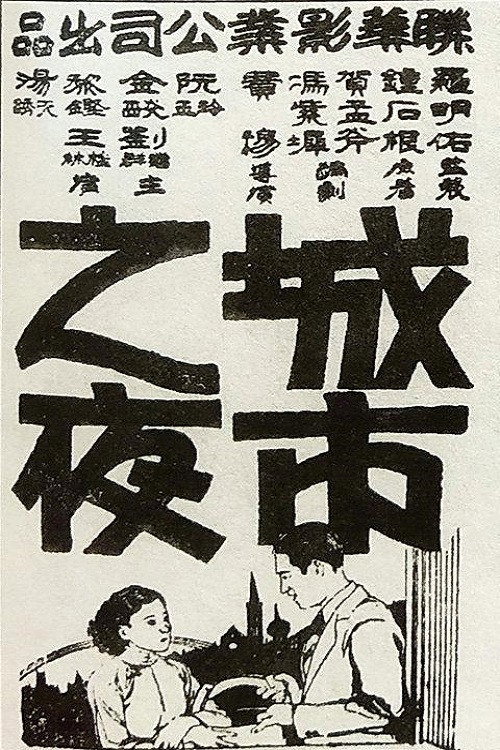 Night in the City (1933)
 The Light of Maternal Instinct (1933)
 Daybreak (1933)
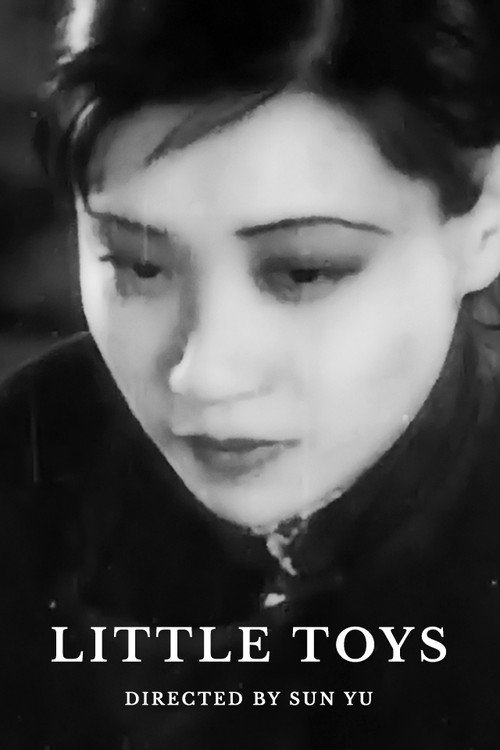 Little Toys (1933)
 The Goddess (1934)
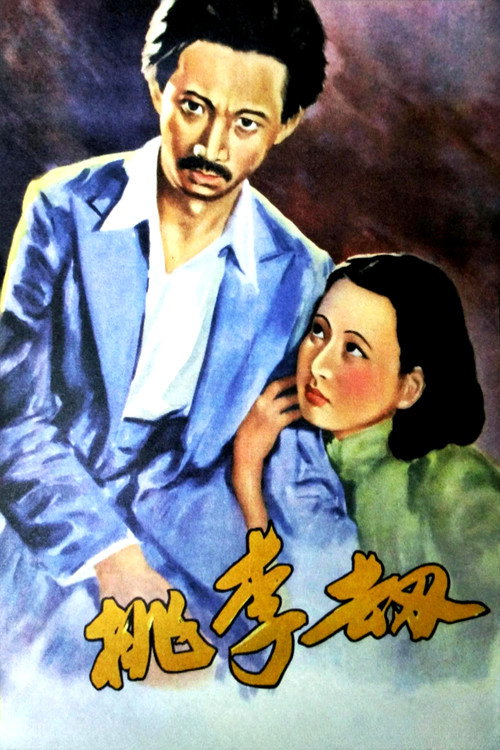 Plunder of Peach and Plum (1934)
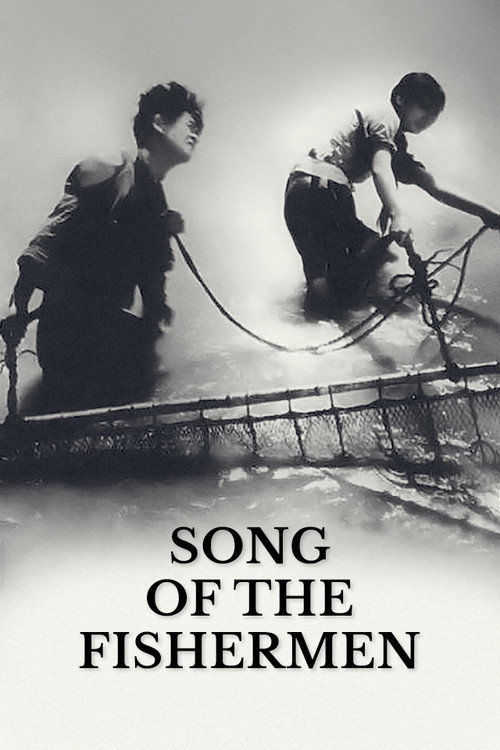 Song of the Fishermen (1934)
 The Little Angel
- More like this film, on a shelf you can walk up to.It's the lit case on the top shelf.